
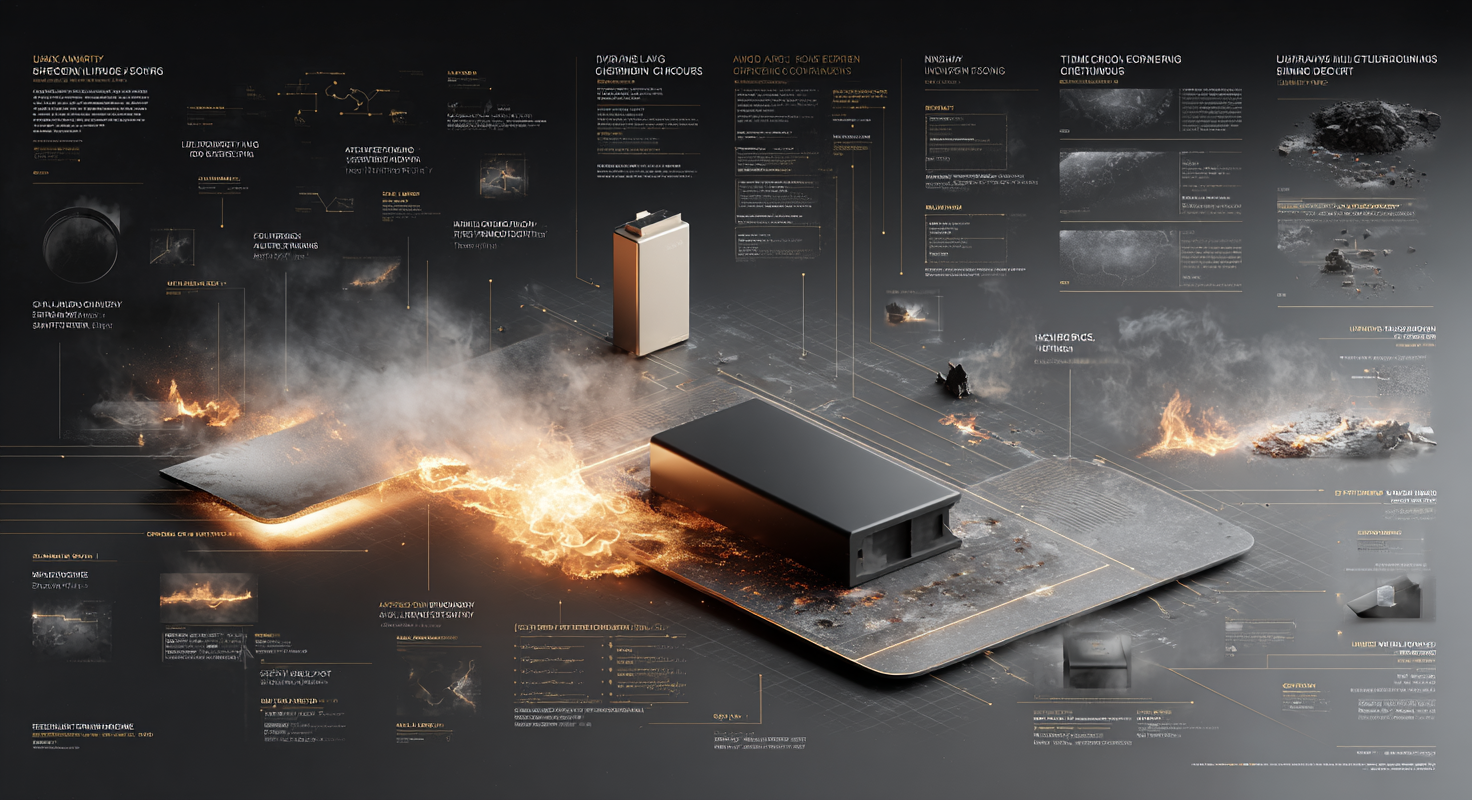
Lithium-ion batteries are widely used in household devices such as smartphones, laptops, electric vehicles, and energy storage systems due to their high energy density and rechargeability. However, they pose significant fire risks if mishandled or defective. This summary synthesizes findings on the causes of lithium battery fires in homes and effective protection strategies, drawing on reports from authoritative sources like the National Fire Protection Association (NFPA), Consumer Product Safety Commission (CPSC), and academic studies. It highlights key insights, conclusions, and remaining uncertainties to provide a detailed overview for public awareness and safety.
Key Causes of Lithium Battery Fires in Homes
Lithium battery fires typically result from thermal runaway, a chain reaction where overheating leads to uncontrollable temperature increases. Common causes include:
- Overcharging and Electrical Faults: Exceeding voltage or current limits can cause internal short circuits and electrolyte decomposition. According to the CPSC, overcharging accounts for a significant portion of incidents, especially with uncertified chargers or damaged management systems (CPSC, 2021).
- Physical Damage: Impacts, punctures, or crushing can compromise the battery’s internal structure, leading to short circuits. Studies from the NFPA note that physical abuse is a leading cause in residential fires, particularly with portable devices (NFPA, 2020).
- Manufacturing Defects: Imperfections in electrode materials, separators, or assembly can initiate failures. Research in the Journal of Power Sources highlights that defects in low-quality batteries increase susceptibility to thermal runaway (Journal of Power Sources, 2019).
- High-Temperature Exposure: Storing or operating batteries in hot environments, such as near heaters or in direct sunlight, accelerates degradation and raises fire risks. The NFPA reports that elevated temperatures can trigger exothermic reactions even in undamaged batteries (NFPA, 2020).
- Aging and Wear: Over time, batteries lose capacity and develop internal resistances that can cause overheating. A study by Underwriters Laboratories (UL) indicates that aged batteries are more prone to failure, especially if not properly maintained (UL, 2022).
- Improper Use and Storage: Using mismatched chargers, stacking batteries loosely, or exposing them to moisture can lead to short circuits. The CPSC emphasizes that user error contributes to many preventable incidents (CPSC, 2021).
Protection and Prevention Measures
To mitigate fire risks, a multi-layered approach involving technology, education, and regulations is essential. Key protection strategies include:
- Use of Certified Chargers and Devices: Employing chargers and batteries that meet standards like UL or IEC certifications can prevent overcharging and electrical faults. The NFPA recommends using only manufacturer-approved accessories to ensure compatibility and safety (NFPA, 2020).
- Proper Storage and Handling: Storing batteries in cool, dry places away from flammable materials reduces thermal risks. The CPSC advises against leaving devices charging unattended and suggests using fire-resistant containers for spare batteries (CPSC, 2021).
- Regular Inspection and Maintenance: Checking for signs of damage, such as swelling, leaks, or unusual heat, helps identify potential hazards early. According to UL guidelines, periodic inspections and replacing aged batteries can prevent failures (UL, 2022).
- Installation of Safety Devices: Incorporating battery management systems (BMS), fuses, or thermal cutoffs can interrupt faults before they escalate. Research in Fire Technology shows that BMS effectively monitor voltage and temperature to prevent thermal runaway (Fire Technology, 2021).
- Education and Awareness: Public campaigns on safe charging practices, such as avoiding overcharging and recognizing warning signs, are crucial. The NFPA and CPSC collaborate on outreach programs to educate consumers on risks and best practices (NFPA, 2020; CPSC, 2021).
- Fire Suppression and Preparedness: Having fire extinguishers rated for Class C (electrical) fires and smoke alarms in battery storage areas can limit damage. Studies indicate that early detection and suppression systems significantly reduce fire spread in homes (Fire Technology, 2021).
Important Insights and Conclusions
- Insights:
- User behavior is a critical factor; many fires are preventable through proper handling and awareness. For instance, the rise in incidents linked to low-cost, uncertified batteries underscores the need for consumer education and stricter regulations.
- Technological advancements, such as solid-state batteries, may reduce risks in the future, but current lithium-ion technologies remain vulnerable to misuse and environmental factors.
- Interdisciplinary efforts involving manufacturers, regulators, and firefighters are essential for developing safer standards and response protocols.
- Conclusions:
- Lithium battery fires in homes are primarily caused by electrical faults, physical damage, and user error, with thermal runaway being the core mechanism.
- Effective protection relies on a combination of certified equipment, proper storage, regular maintenance, and public education. Implementing these measures can significantly reduce the frequency and severity of fires.
- Regulatory frameworks, such as the CPSC’s guidelines and international standards, play a vital role in ensuring product safety, but compliance and enforcement need strengthening.
Remaining Uncertainties and Research Gaps
Despite advances, several uncertainties persist:
- Long-Term Risks of New Technologies: The safety profiles of emerging battery types, such as lithium-sulfur or silicon-anode batteries, are not fully understood, and more research is needed to assess their fire risks in residential settings.
- Standardization and Recycling: Inconsistent recycling practices and lack of global standards for end-of-life disposal contribute to uncertainties about environmental and fire hazards. Studies call for improved recycling infrastructure to handle battery waste safely.
- Human Factors and Behavioral Studies: While education is emphasized, limited data exist on the effectiveness of awareness campaigns in changing user behavior, highlighting a need for longitudinal studies.
- Economic and Accessibility Barriers: The cost of safety devices and certified products may limit adoption in low-income households, raising questions about equitable access to protection measures.
Overall Summary
In summary, lithium battery fires in homes stem from a range of causes, including overcharging, physical damage, and manufacturing defects, with protection measures focusing on technology, education, and preparedness. While current knowledge provides robust guidelines, ongoing research is essential to address uncertainties and adapt to evolving battery technologies. Stakeholders should prioritize collaborative efforts to enhance safety and reduce risks.




Add comment