No products in the cart.
Return To Shop
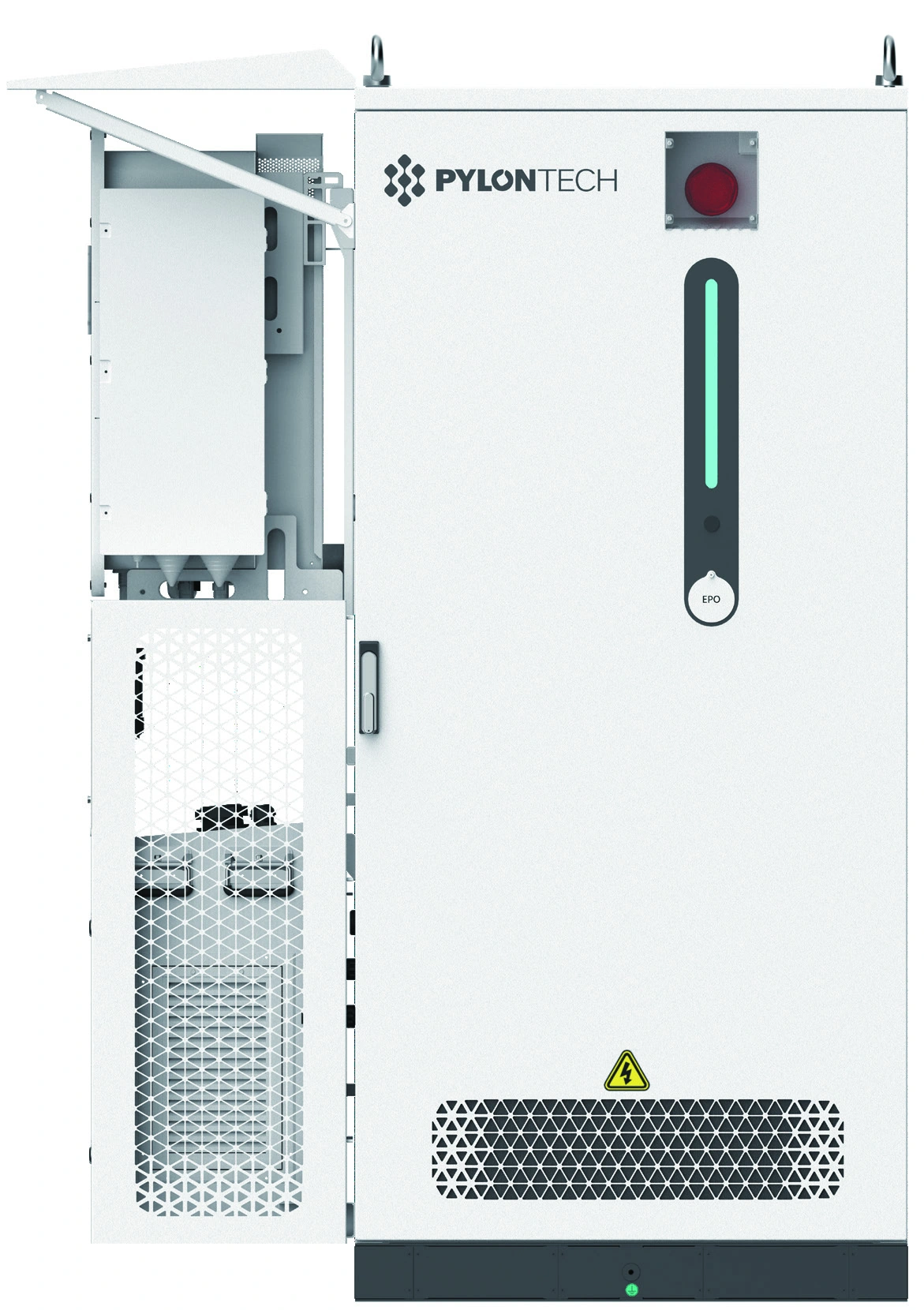
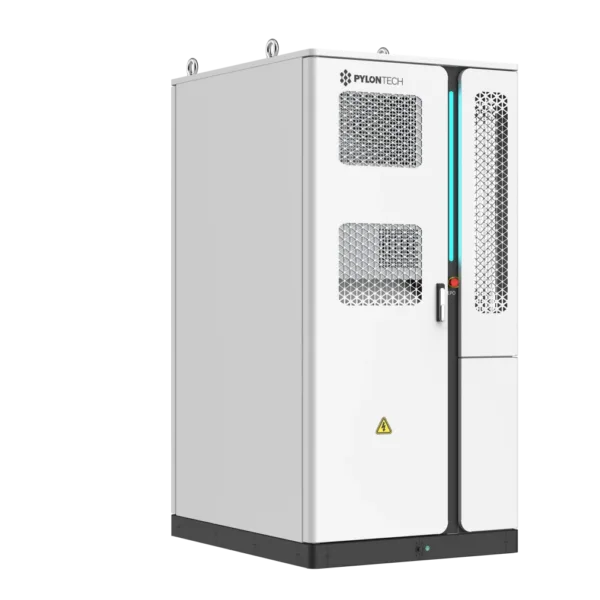
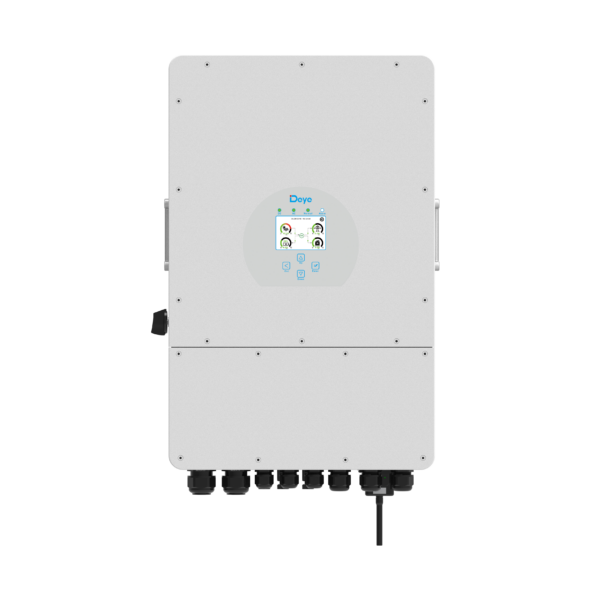
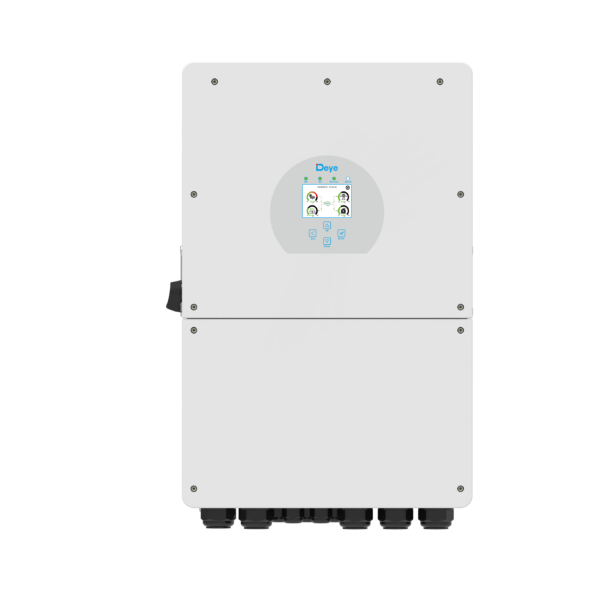
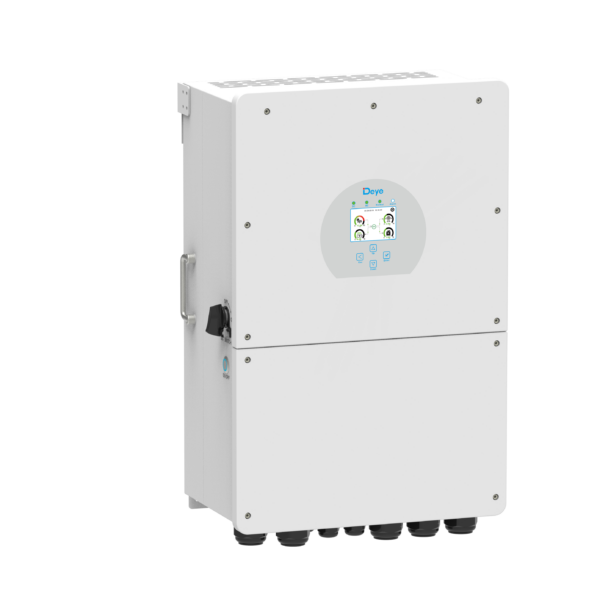
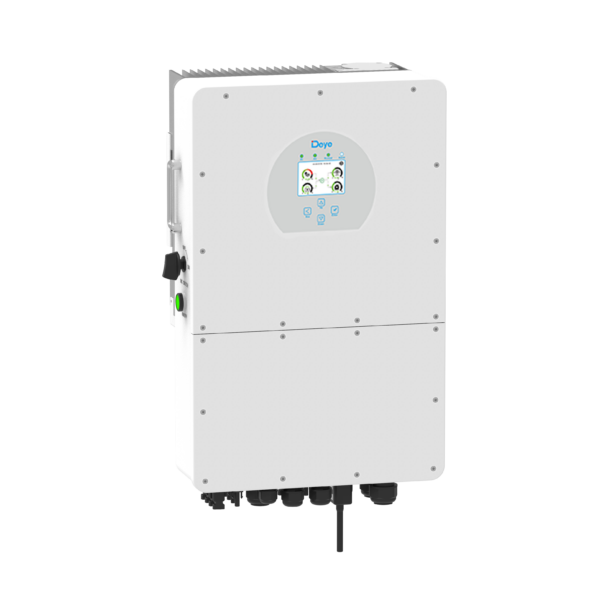
Pylontech L260-HY 125kW 261kWh Commercial Energy Storage System
R915,000.00
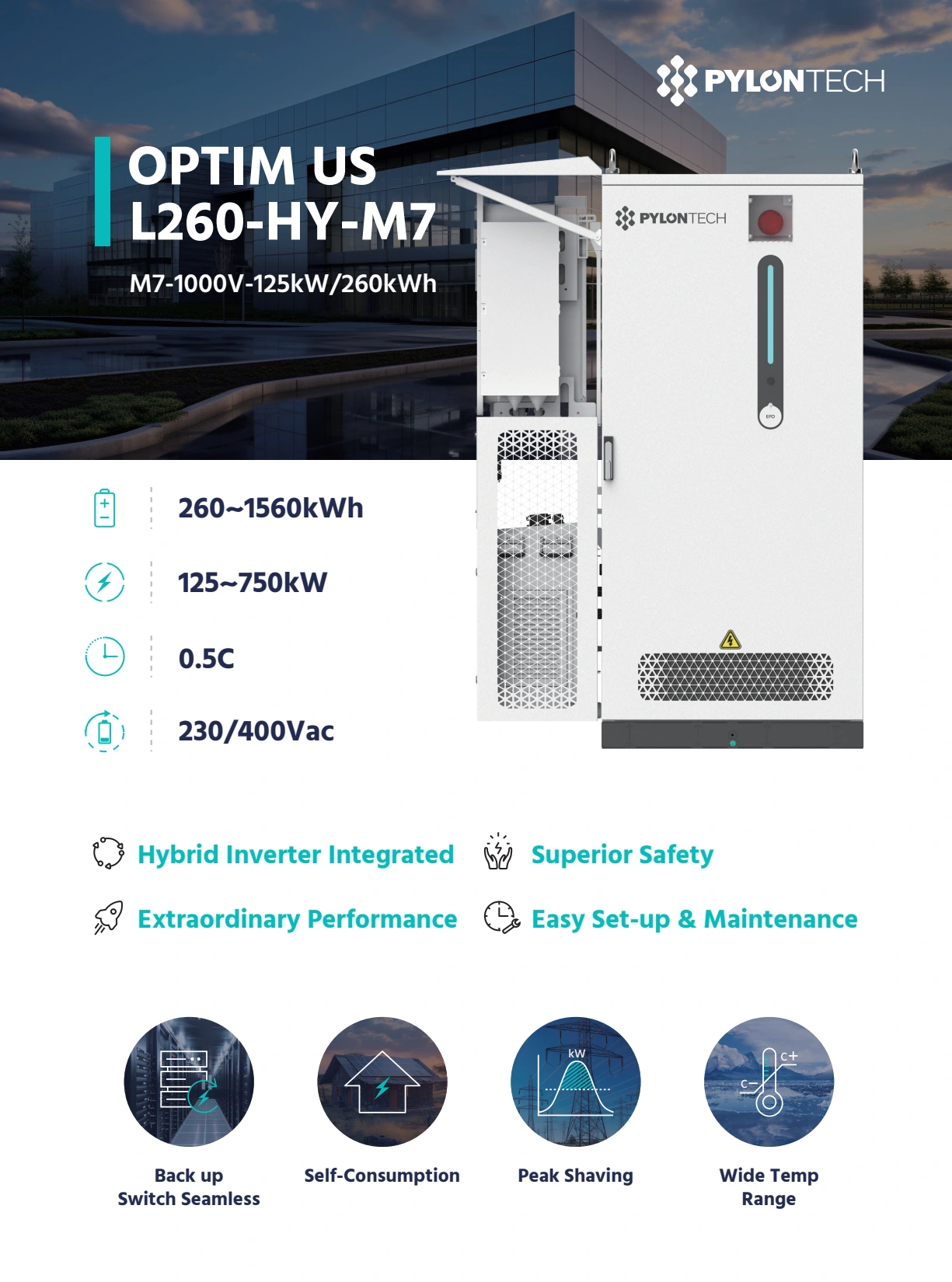
Pylontech OPTIM US L260-HY-M7 integrated commercial storage: 125kW hybrid inverter, 261kWh nominal battery capacity, liquid-cooled battery cabinet, ten MPPT trackers and three-phase AC output. R915,000 including VAT per unit.
Pylontech L260-HY: 125kW hybrid system with 261kWh battery
- 125kW hybrid conversion
- 261kWh nominal battery capacity
- 10 MPPTs; 250kW maximum PV array reference
Pylontech L260-HY: integrated commercial solar and storage
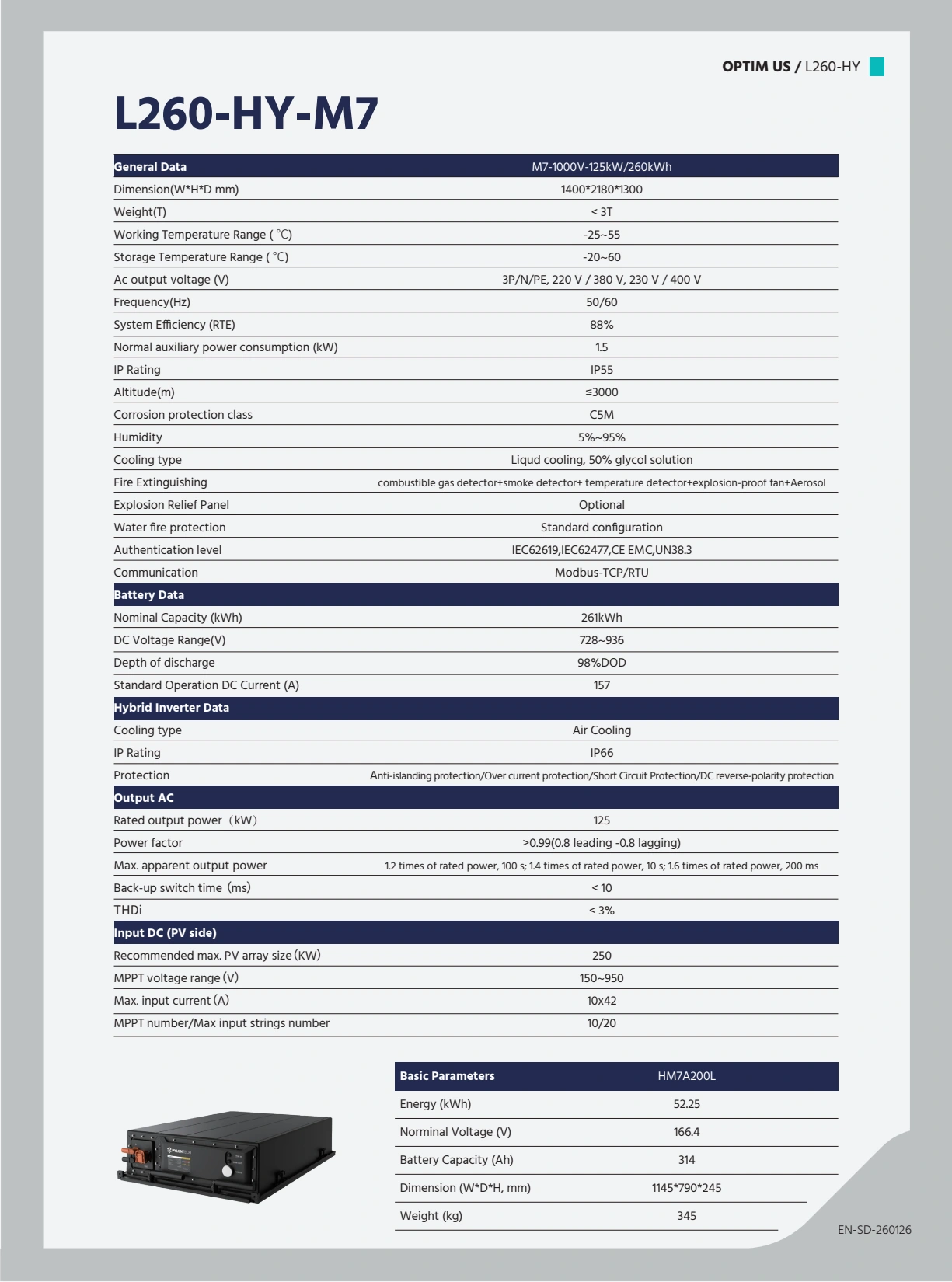
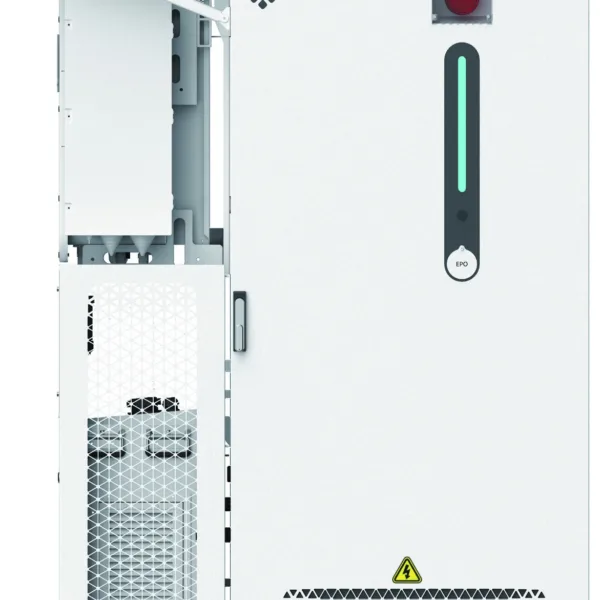
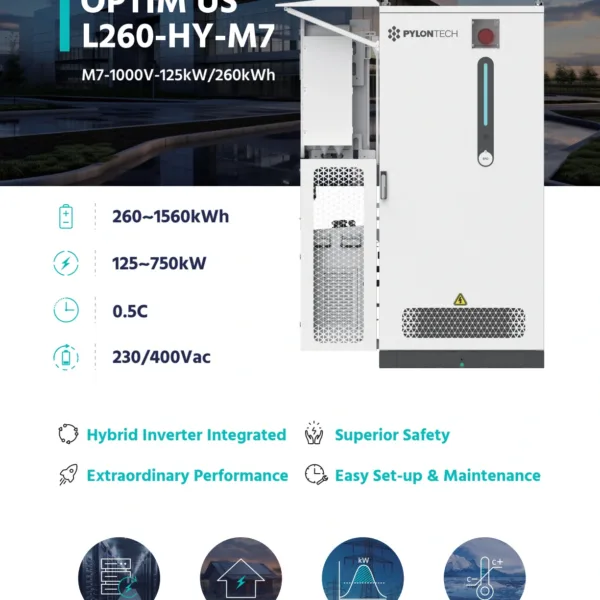
The Pylontech OPTIM US L260-HY-M7 combines a 125kW hybrid inverter with a liquid-cooled battery cabinet in one commercial and industrial energy storage system. Marketed as a 260kWh solution, the supplied EN-SD-260126 specification lists 261kWh nominal battery capacity for model M7-1000V-125kW/260kWh. It brings PV input, energy storage and three-phase AC output together for sites planning solar self-consumption, peak shaving and backup power. Solar Deity offers this L260-HY system at R915,000 including VAT per unit.
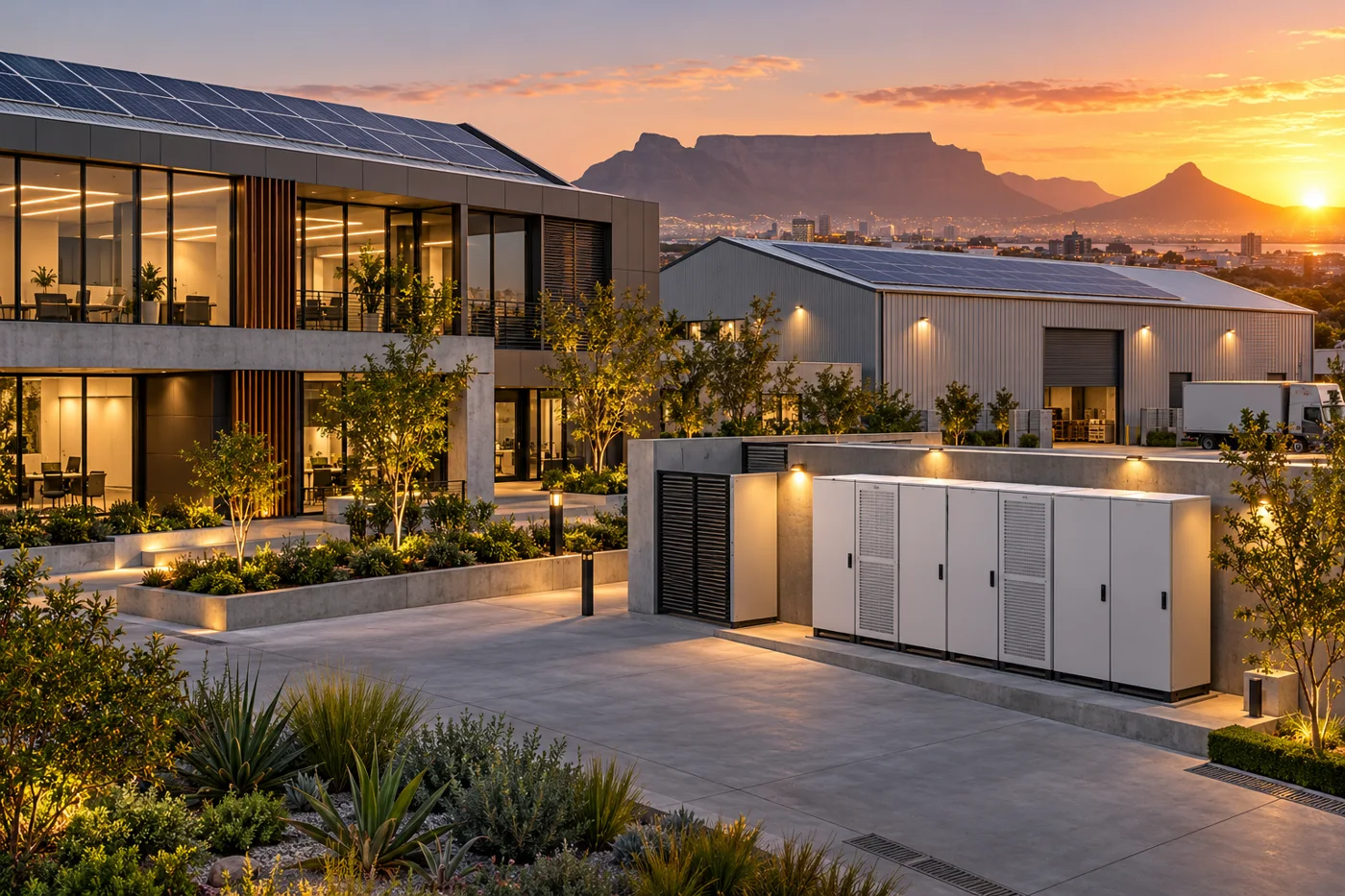
125kW power and 261kWh energy serve different purposes
The 125kW rating defines the inverter’s rated output power, while 261kWh describes the battery’s nominal stored energy. The datasheet specifies 98% depth of discharge, 728–936V DC operating range and 157A standard operating DC current. Backup duration depends on the supported load, available state of charge, reserve settings, auxiliary consumption and conversion losses. Dividing nominal capacity by load alone does not give a guaranteed runtime. A site load profile is the right starting point for sizing an essential-load system.
Direct solar input through ten MPPT trackers
Unlike a battery-only cabinet, the HY version includes a hybrid inverter with PV inputs. Its recommended maximum PV array size is 250kW, with a 150–950V MPPT voltage range, ten MPPT trackers and a maximum of twenty input strings. The PV input-current specification is 10 × 42A. These limits let a designer evaluate multiple roof orientations and string groups, but the array recommendation is not a 250kW AC output rating. String voltage, current and protection must be checked against the final inverter documentation.
Self-consumption and peak-shaving applications
At a warehouse, workshop or commercial facility, the system can store available solar energy for use later in the day and support a planned peak-shaving strategy. The value of shifting energy depends on the site’s demand pattern and applicable tariff. Suitable settings should be based on measured loads, PV generation and the amount of energy reserved for backup. No fixed electricity saving or payback period is assumed for this listing; those results require a project-specific assessment.
Three-phase backup with defined transfer performance
The AC specification is 3P/N/PE at 220/380V or 230/400V, with 50/60Hz frequency. The manufacturer lists a backup switch time below 10ms and current harmonic distortion below 3%. Short-duration apparent-power capability is specified as 1.2 times rated power for 100 seconds, 1.4 times for ten seconds and 1.6 times for 200ms. These are timed overload limits, not higher continuous ratings. The final backup arrangement, supported loads and protection design must suit the installation.
Liquid-cooled battery and air-cooled hybrid inverter
The battery system uses liquid cooling with a 50% glycol solution, while the hybrid inverter uses air cooling. Cabinet protection is IP55; the inverter has its own IP66 rating. The system operating range is −25°C to +55°C, with specified altitude up to 3,000m and C5M corrosion protection. This combination supports engineered outdoor cabinet deployments, subject to the manufacturer’s siting and service requirements. Clearances, drainage, foundations and access should be established before equipment delivery.
Integrated detection and protection
The supplied datasheet lists combustible-gas, smoke and temperature detection, an explosion-proof fan and aerosol fire extinguishing. Water fire protection is listed as standard configuration; the explosion-relief panel is optional and should be confirmed in the equipment schedule. Inverter protection includes anti-islanding, overcurrent, short-circuit and DC reverse-polarity protection. These product provisions support the wider project safety design; site requirements and local approvals still need to be addressed during engineering.
Monitoring, auxiliary use and system efficiency
Modbus-TCP/RTU communication supports integration with a compatible site control or monitoring system. The manufacturer gives system round-trip efficiency as 88% and normal auxiliary power consumption as 1.5kW. These figures matter when evaluating usable energy and operating economics, especially at light loads. Round-trip efficiency describes the complete charge/discharge path and should not be confused with a standalone inverter peak-efficiency figure.
Plan delivery and commissioning around a full-size cabinet
The cabinet measures 1,400 × 2,180 × 1,300mm (W × H × D) and weighs less than three tonnes according to the specification. Delivery access, lifting equipment, the supporting base and maintenance space therefore need project planning. The brochure presents larger configurations from 260 to 1,560kWh and 125 to 750kW; this listing and price refer to one 125kW unit. Multi-cabinet capacity and controls require a confirmed system design.
Equipment scope and documentation
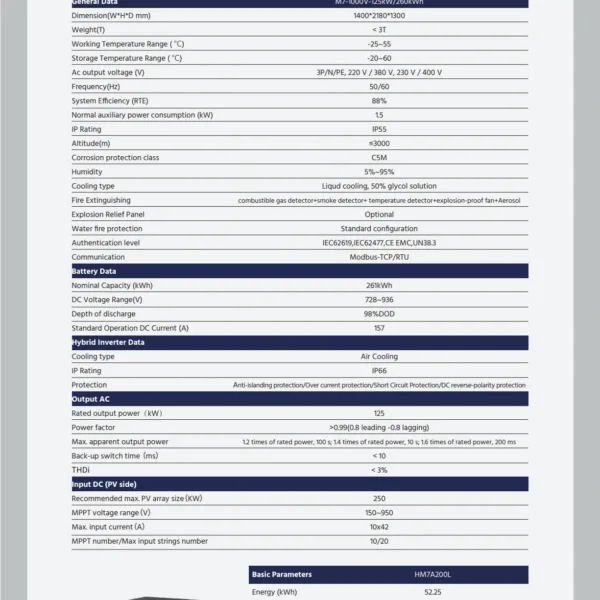
This product is the integrated L260-HY battery and hybrid-inverter system, rather than a standalone 261kWh battery or an L260-OMNI AC-coupled cabinet. Project installation, civil works, external switchgear, PV modules and transport arrangements should be confirmed in a written quotation. The technical table below follows the supplied Pylontech EN-SD-260126 L260-HY EU specification. Confirm the final equipment revision, optional configuration and warranty terms when ordering.
Choosing and integrating Pylontech L260-HY
Turn the integrated equipment into a site-specific plan
L260-HY combines hybrid power conversion and battery storage, but the project still needs a clear electrical and operating design. Decide which loads are essential, how much energy should remain in reserve and how the system should interact with the existing grid connection. Those choices influence the useful storage duty and the scope of external switching, protection and site works.
Use the PV specifications as a design envelope
The reference lists ten MPPTs and a recommended maximum PV array of 250kW. A final array design must also satisfy the permitted voltage and current limits, including module behaviour across the expected temperature range. Roof orientation, shading and the availability of daytime demand affect the useful contribution of that array. The maximum PV headline is not a promise of continuous 250kW generation or output to the loads.
Distinguish equipment availability from project completion
The equipment price and stock shown on this listing relate to the specified unit. They do not establish that civil works, transport, protection, installation or commissioning are included unless the quotation says so. Use the project form when those services or a wider system design are required. An agreed scope helps separate the purchase of an integrated storage unit from the delivery of a complete operational installation.
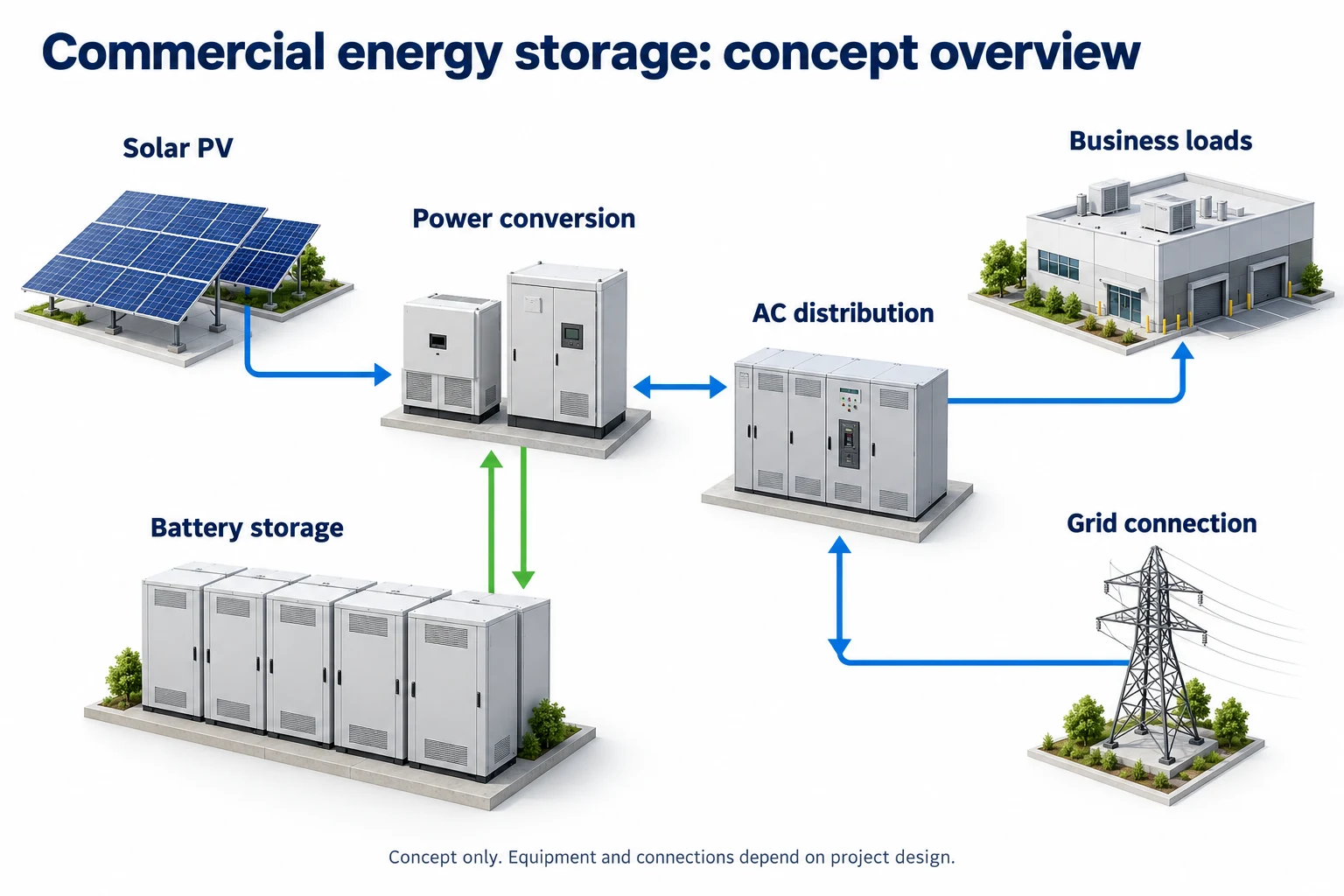
Where L260-HY fits in the energy system
The completed installation coordinates storage, power conversion and site distribution. The division between integrated equipment and external components depends on the selected model and project configuration.
Technical specifications
| Specification | Value |
|---|---|
| Brand / product family | Pylontech OPTIM US L260-HY |
| Product reference | L260-HY-M7 |
| System model | M7-1000V-125kW/260kWh |
| Nominal battery capacity | 261kWh (260kWh product class) |
| Rated AC output power | 125kW |
| Battery DC voltage range | 728–936V |
| Depth of discharge | 98% |
| Standard operating DC current | 157A |
| AC output configuration | 3P/N/PE; 220/380V or 230/400V |
| Frequency | 50/60Hz |
| Power factor | >0.99; adjustable 0.8 leading to 0.8 lagging |
| Backup switch time | <10ms |
| THDi | <3% |
| Short-duration apparent output | 1.2 × rated: 100s; 1.4 × rated: 10s; 1.6 × rated: 200ms |
| Recommended maximum PV array | 250kW |
| PV MPPT voltage range | 150–950V |
| Maximum PV input current | 10 × 42A |
| MPPT trackers / maximum strings | 10 / 20 |
| System round-trip efficiency | 88% |
| Normal auxiliary consumption | 1.5kW |
| Battery cooling | Liquid cooling; 50% glycol solution |
| Hybrid inverter cooling | Air cooling |
| System / inverter IP rating | IP55 / IP66 |
| Dimensions W × H × D | 1,400 × 2,180 × 1,300mm |
| System weight | <3 tonnes |
| Working temperature | −25°C to +55°C |
| Storage temperature | −20°C to +60°C |
| Altitude | ≤3,000m |
| Humidity | 5–95% |
| Corrosion protection | C5M |
| Communication | Modbus-TCP/RTU |
| Detection and extinguishing | Combustible-gas, smoke and temperature detectors; explosion-proof fan; aerosol |
| Explosion-relief panel | Optional |
| Water fire protection | Standard configuration per datasheet |
| Inverter protection | Anti-islanding, overcurrent, short circuit and DC reverse polarity |
| Listed standards | IEC62619, IEC62477, CE EMC, UN38.3 |
| Battery module reference | HM7A200L |
| Module energy / voltage / capacity | 52.25kWh / 166.4V / 314Ah |
| Module W × D × H / weight | 1,145 × 790 × 245mm / 345kg |
| Source revision | Pylontech EN-SD-260126 L260-HY EU specification |
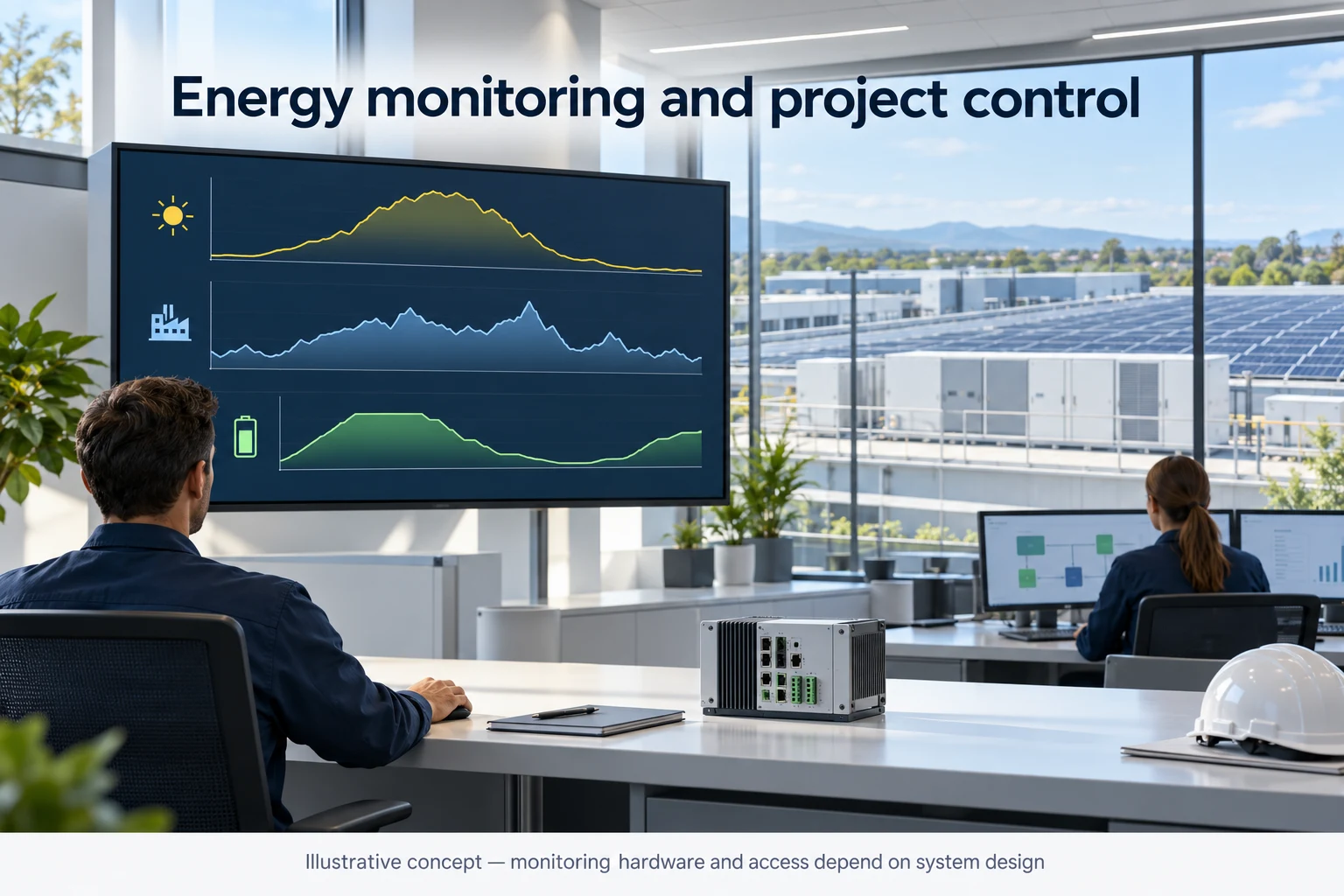
Monitoring and operational planning
For a L260-HY project, define which site measurements, battery status information and alarms are required, who can access them, and how the chosen controls communicate. Gateways, software, network access and remote support should be stated in the quotation rather than assumed.
Pylontech L260-HY datasheet and document downloads
Choose the relevant manufacturer document below. Each PDF is hosted on Solar Deity; the language and file size are shown before you open it.
Pylontech L260-HY EU specification — 2026-01-26English · PDF · 1.67 MB
Pylontech L260-HY: frequently asked questions
Why is it called L260-HY if the battery is listed at 261kWh?
The model uses a 260kWh-class family name. The supplied EU specification gives 261kWh as the nominal battery capacity for the reference configuration.
Does 125kW describe the battery capacity?
No. It is the rated AC output power. The 261kWh figure describes stored energy; usable duration depends on the load, reserves, losses and operating conditions.
Is this the same as the L260-OMNI product?
No. This is the hybrid family with the PV input details shown in its own specification. L260-OMNI is a separate AC-coupled reference and should be compared as a different system architecture.
Does the displayed price include a complete installation?
Only items expressly listed in the written offer are included. Request a project quotation for transport, installation, site works and other integration requirements, while retaining the equipment listing as the product reference.
Where can I get the L260-HY datasheet?
Use the document download cards above to open the matched PDF. Check the model, language and revision against the equipment being specified.
Plan your commercial energy project
Share your business load profile, PV capacity, site location and installation requirements for a project-specific quotation.
Compare the separate Pylontech L260-OMNI reference — model scope and compatibility differ.
Request a project quotation for L260-HY
Share your site requirements and the exact product configuration you are considering. Our C&I enquiry form accepts business details, electricity usage and project requirements.