No products in the cart.
Return To Shop
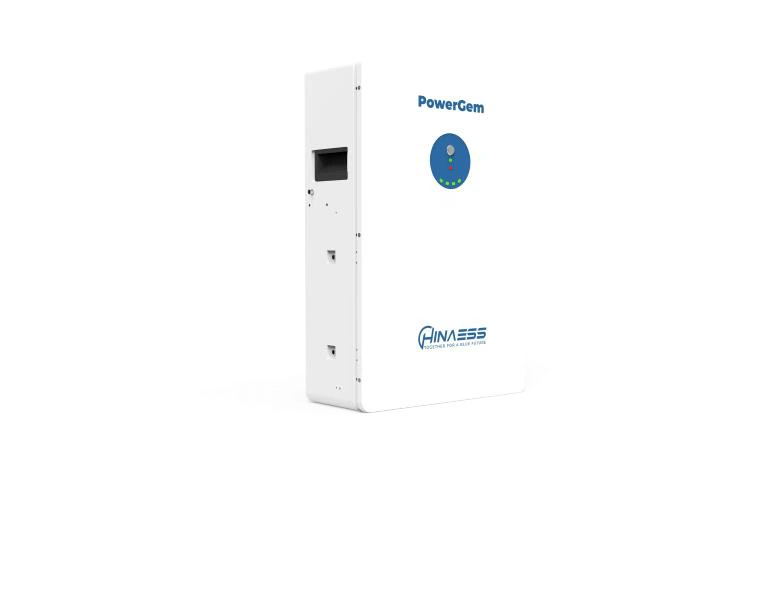
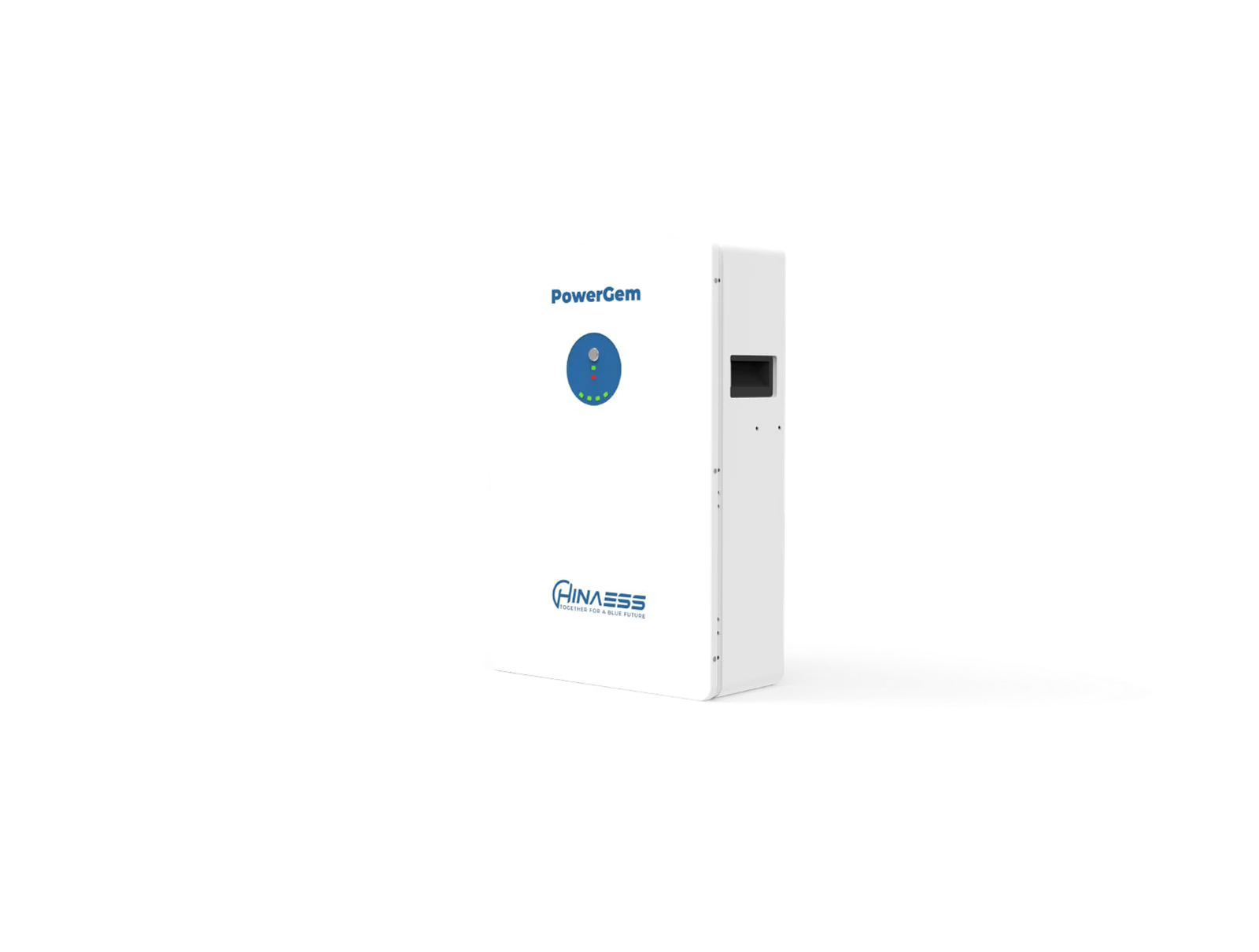
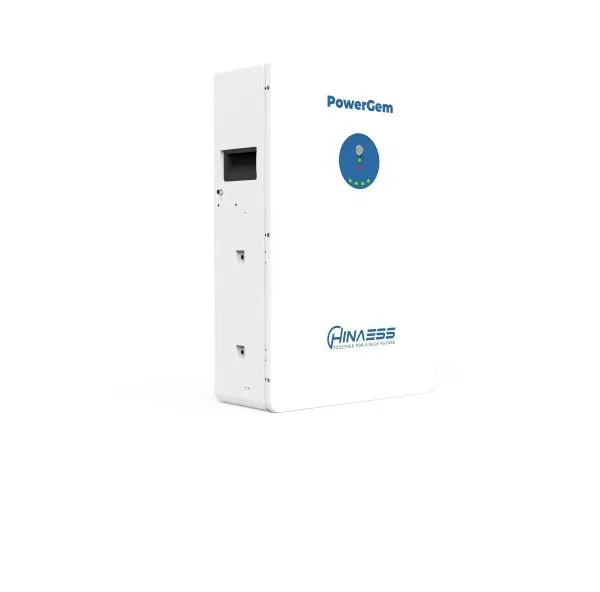
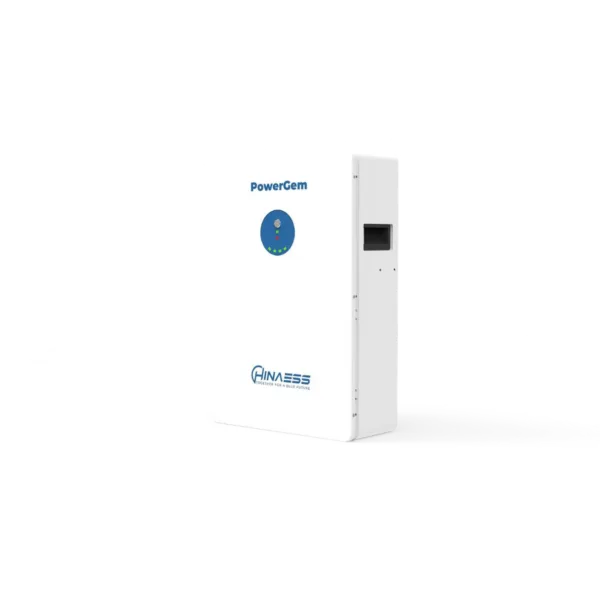
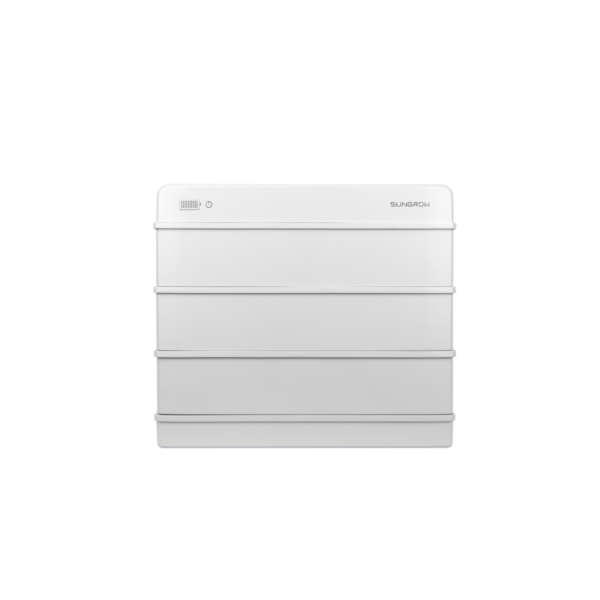
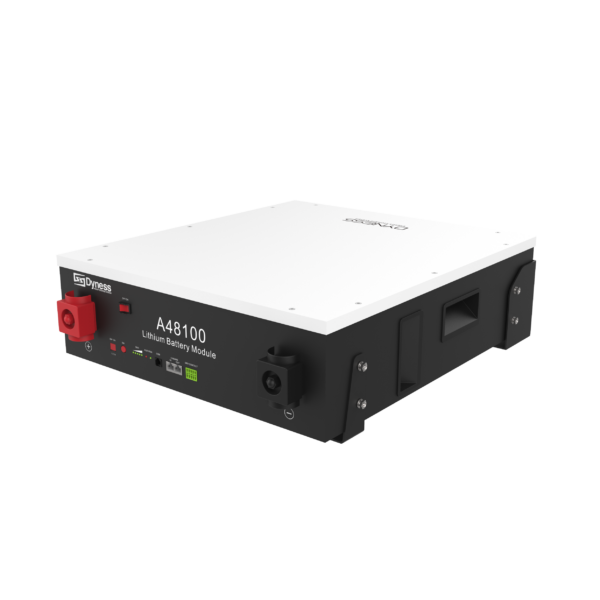
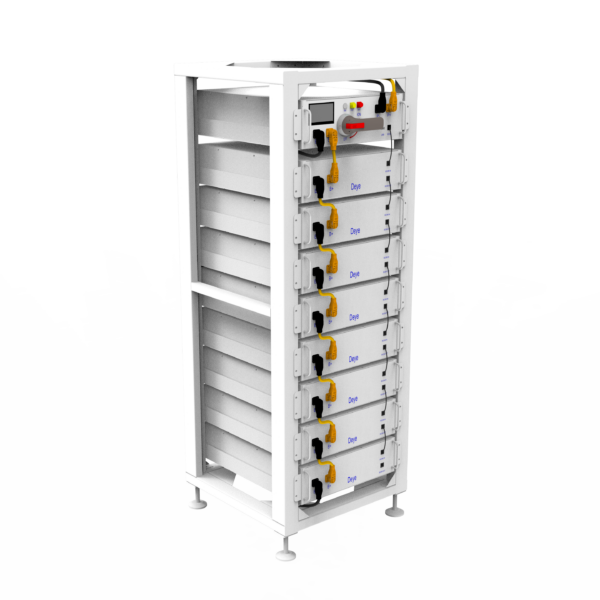
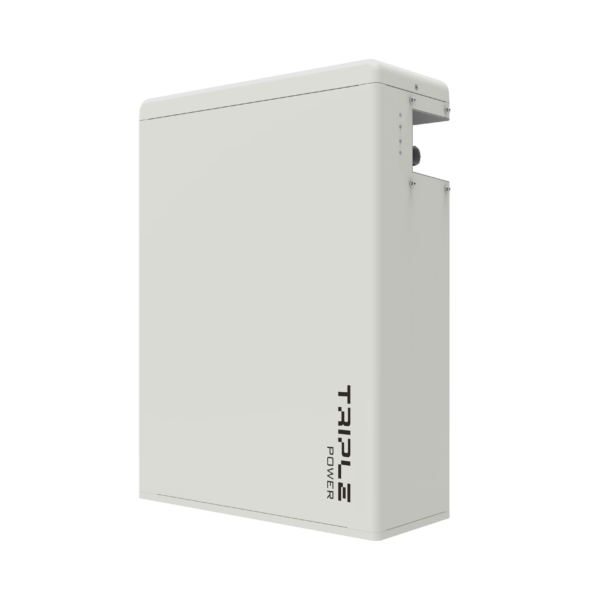
HinaESS PowerGem 5.12kWh LiFePO4 Battery
R14,550.00
HinaESS PowerGem is a 51.2V, 100Ah LFP battery with 5.12kWh nominal energy. Its maximum charge/discharge current is 100A. CAN and RS485 interfaces support communication with a suitable inverter, while the 58kg IP20 enclosure requires a supported position in a protected space.
HinaESS PowerGem 5.12kWh LiFePO4 Battery
- Nominal energy: 5.12kWh
- Nominal voltage: 51.2V
- Capacity: 100Ah
- Maximum charge/discharge current: 100A
5.12kWh PowerGem storage with CAN and RS485
HinaESS PowerGem is a 51.2V, 100Ah LFP battery with 5.12kWh nominal energy. Its maximum charge/discharge current is 100A. CAN and RS485 interfaces support communication with a suitable inverter, while the 58kg IP20 enclosure requires a supported position in a protected space.
A manageable building block for battery capacity
The manufacturer describes wall-mounted installation, remote-upgrade support and parallel operation within the PowerGem platform. Select the number of batteries from both energy demand and required current. Matching the communication protocol is as important as matching the nominal voltage.
A familiar 5.12kWh scale for residential storage
PowerGem offers 5.12kWh nominal energy for a compatible solar-storage design. This capacity class can support a focused conversation about evening consumption, essential circuits and the amount of energy to retain in reserve. For an expansion, the existing battery and inverter references provide the basis for selecting an approved configuration.

Key details that shape the system design
Choose the right electrical platform
Nominal voltage: 51.2V
This figure is a starting point for matching equipment. The complete operating range, current capability and supported communication arrangement must also align. For a high-voltage battery module, the complete stack voltage is a separate design value.
Match the battery duty
Maximum charge/discharge current: 100A
The current limit helps determine the storage bank and connection requirements. It should be checked alongside usable energy and the intended load; a suitable kWh figure alone does not establish the required power capability.
Connect the intended equipment
Communication: CAN / RS485
The documented interface identifies how this component communicates with the wider system. The host model, supported protocol and commissioning settings still matter; a matching connector or shared brand name is only part of the check.
Designed around the way your system works
Turn stored energy into useful everyday support
Battery capacity describes the energy stored for later use. In a compatible solar system, daytime charging can support the property after sunset, while an allocated reserve can keep selected circuits operating during an interruption. A good selection starts with the actual evening and backup load profile rather than a promise of a fixed number of hours for every home.
Energy and power are separate considerations. A battery may have enough kilowatt-hours for a long period of modest demand but still require a carefully sized inverter and appropriate discharge-current capability to start or run larger appliances. Compare the model’s continuous current limits with the intended duty, not only with its headline capacity.
Understand nominal capacity and your reserve
Nominal energy is a useful basis for comparing battery sizes. The energy actually delivered to AC appliances also depends on the permitted charge window, the selected reserve, conversion losses, temperature and operating conditions. An installer may deliberately preserve some capacity for an unexpected outage rather than using the full available window every evening.
To explore a backup requirement, start with average load in kilowatts multiplied by the desired operating hours. That produces an energy requirement before losses and reserve. This approach makes it easier to discuss priorities such as refrigeration and lighting separately from discretionary heating or other high-demand equipment.
Compatibility is more than a matching voltage label
The inverter and battery must agree on their operating voltage range, current limits and communication method. Where a BMS link is used, the correct protocol, cable pinout and firmware combination matter. The manufacturer’s supported configuration takes precedence over a generic lithium-battery setting.
Expansion also needs a model-specific check. Matching energy capacities or similar enclosures do not establish that two batteries can be mixed. Review the existing battery model, age, firmware, supported parallel arrangement and protection equipment before adding capacity. This helps avoid choosing an expansion solely because its price or kilowatt-hour figure looks suitable.
Plan the physical installation as carefully as the capacity
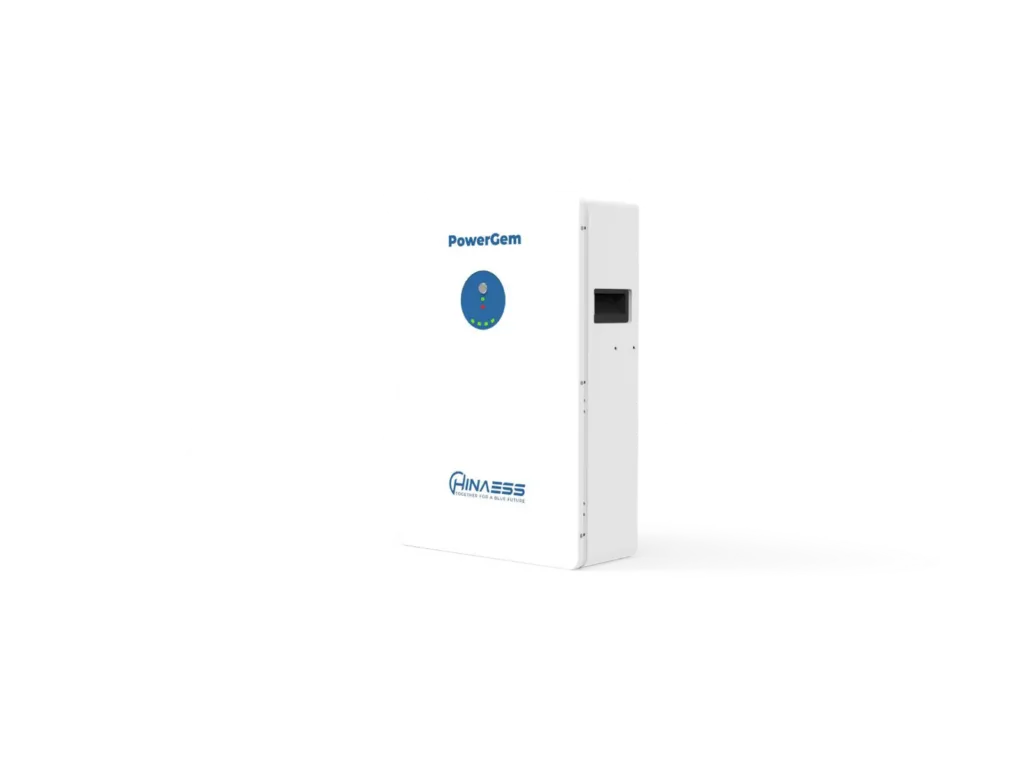
A battery needs an installation position that supports its weight and the required service clearances. Mounting arrangements, environmental exposure and charging temperatures should follow the applicable manufacturer documentation. The final layout should leave cable connections and status indicators accessible to the installer.
At handover, retain the serial number, invoice, commissioned settings and applicable warranty documents. Familiarity with normal status indications and the monitoring arrangement makes it easier to notice a change in operation. Internal work, protection changes and battery reconfiguration should remain with qualified personnel.

Where this product fits
Evening self-consumption
Store suitable daytime surplus for later household or business demand in a compatible system.
Essential-load reserve
Allocate energy to a defined set of circuits and a planned reserve rather than assuming every appliance can run for the same duration.
Storage expansion
Assess an existing system’s model references, voltage, supported communication and expansion limits before adding another battery.
PowerGem technical specifications
| Manufacturer model | PowerGem |
|---|---|
| Nominal energy | 5.12kWh |
| Nominal voltage | 51.2V |
| Capacity | 100Ah |
| Maximum charge/discharge current | 100A |
| Protection | IP20 |
| Communication | CAN / RS485 |
| Weight | 58kg |
Product documents & downloads
PowerGem — manufacturer specificationsSpecifications / product reference · English · 0.48 MB
Download PDFHinaESS PowerGem user manualUser manual · English · 1.92 MB
Download PDFYour questions about PowerGem
How much energy is available for the connected loads?
The listed nominal energy is 5.12kWh. Delivered AC energy also depends on the usable charge window, reserve setting, conversion losses and operating conditions. A runtime estimate therefore needs the average connected load, not only the nominal capacity.
What must match when selecting the battery or inverter?
Check the full operating-voltage range, charge and discharge limits, supported BMS communication and the approved equipment combination. The equipment references and firmware should be recorded together before commissioning or expansion.
What information helps Solar Deity recommend a suitable configuration?
Send the PowerGem reference together with your existing equipment models, intended application and load profile, required operating period and planned solar or storage capacity. Those details make the discussion more useful than a headline power or capacity figure alone.
Which document should I use for installation?
Use the applicable manufacturer installation or user manual for the exact model and hardware revision. The specification document in the download section supports product selection; a shared family document may cover several variants. Keep the selected model column and the equipment nameplate aligned when preparing the installation.
Plan your next step with Solar Deity
Bring together the right power, storage and operating strategy for your property. Share the PowerGem reference and your requirements so our team can help you evaluate a suitable configuration.
Discuss your system