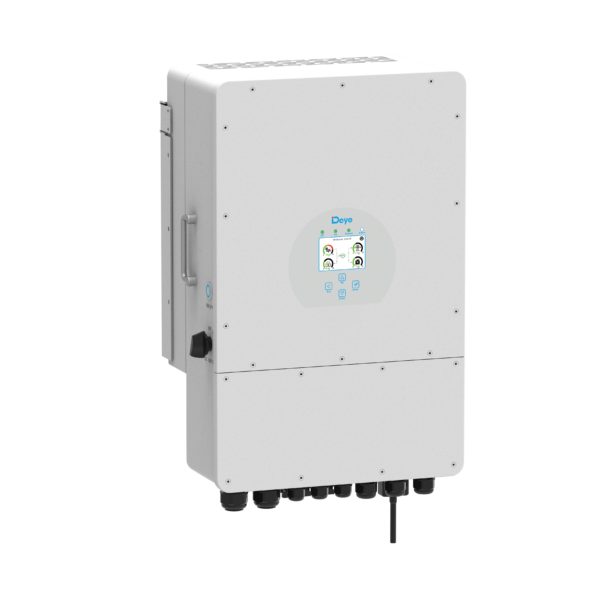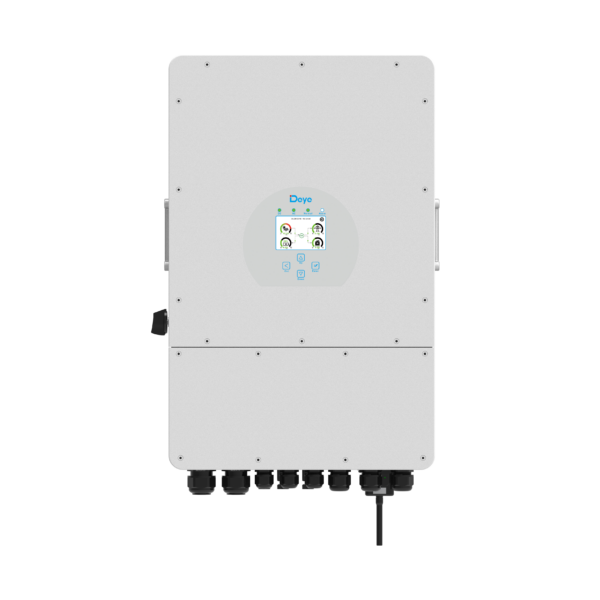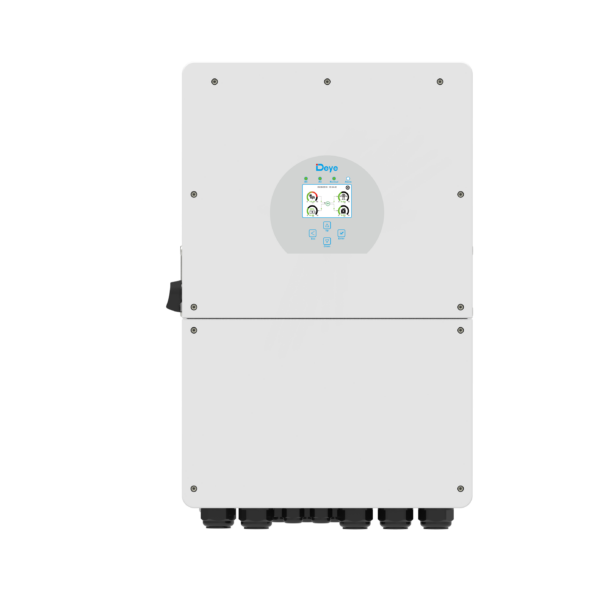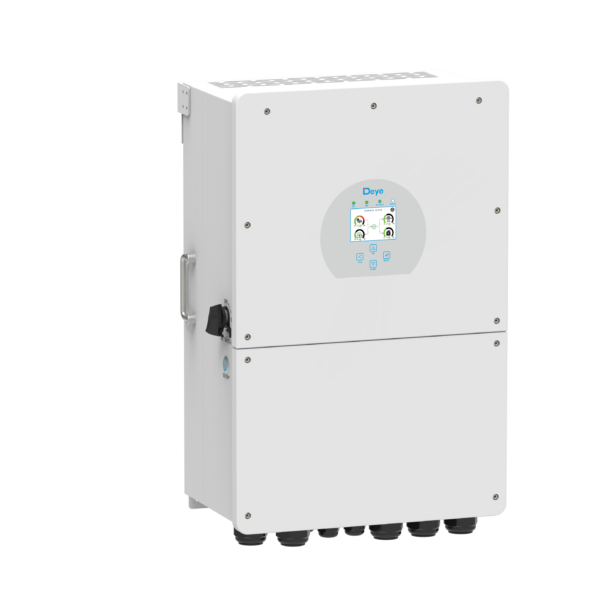
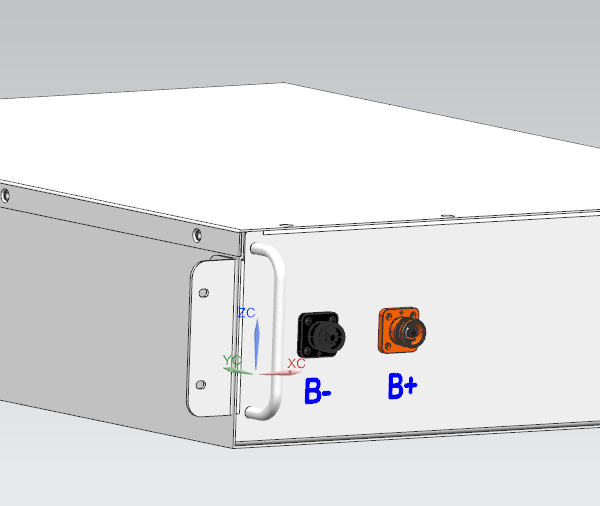
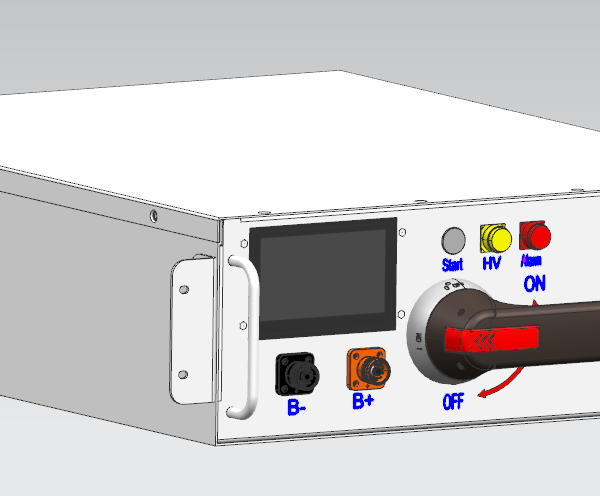
A battery module, not a complete rack system
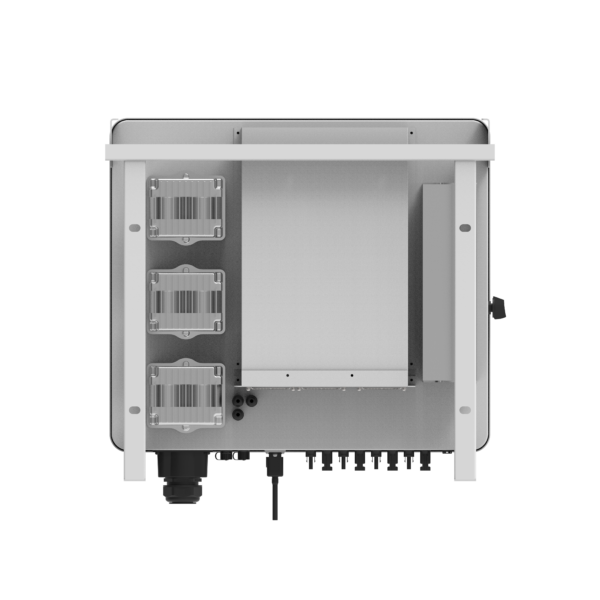
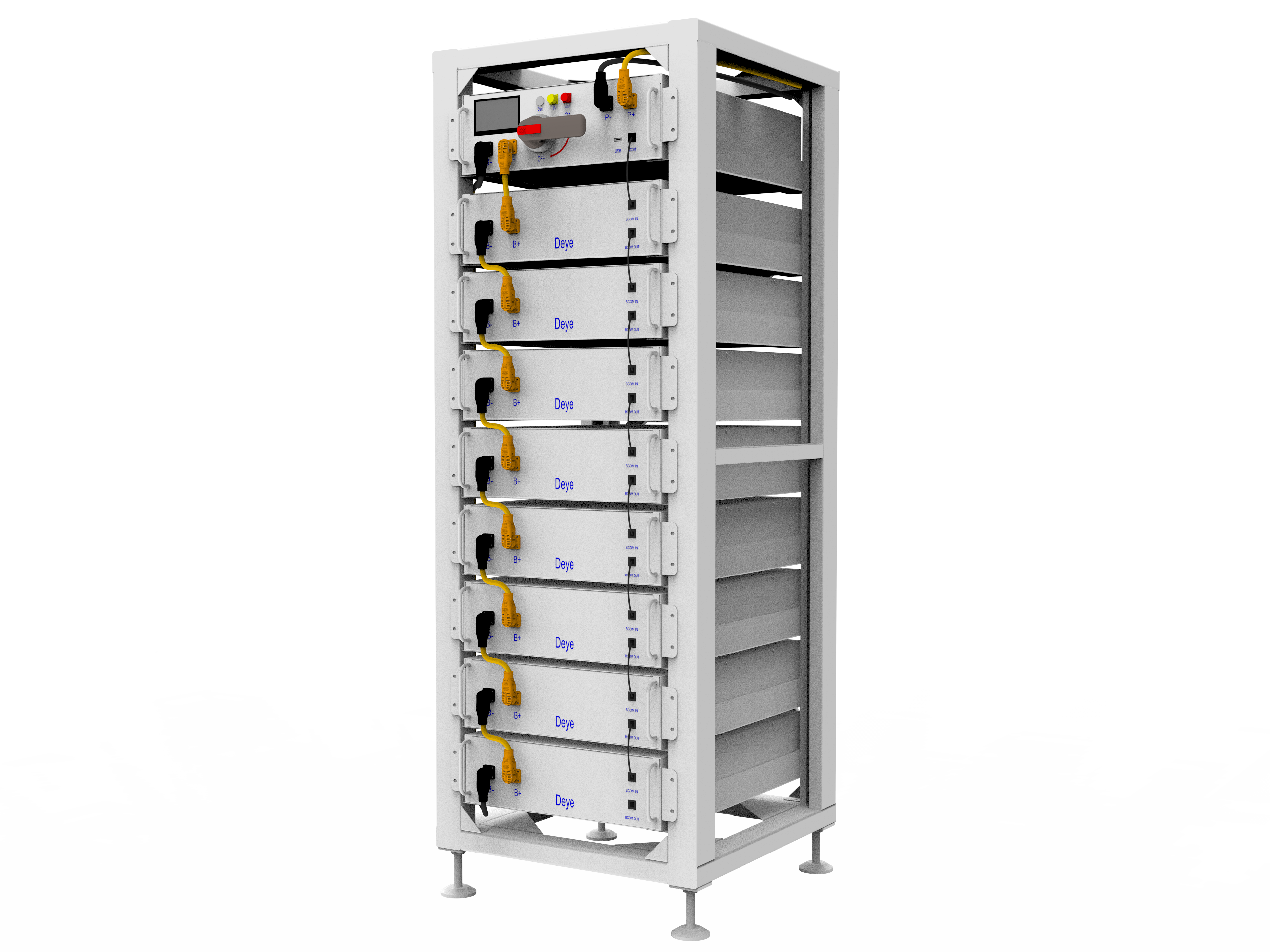
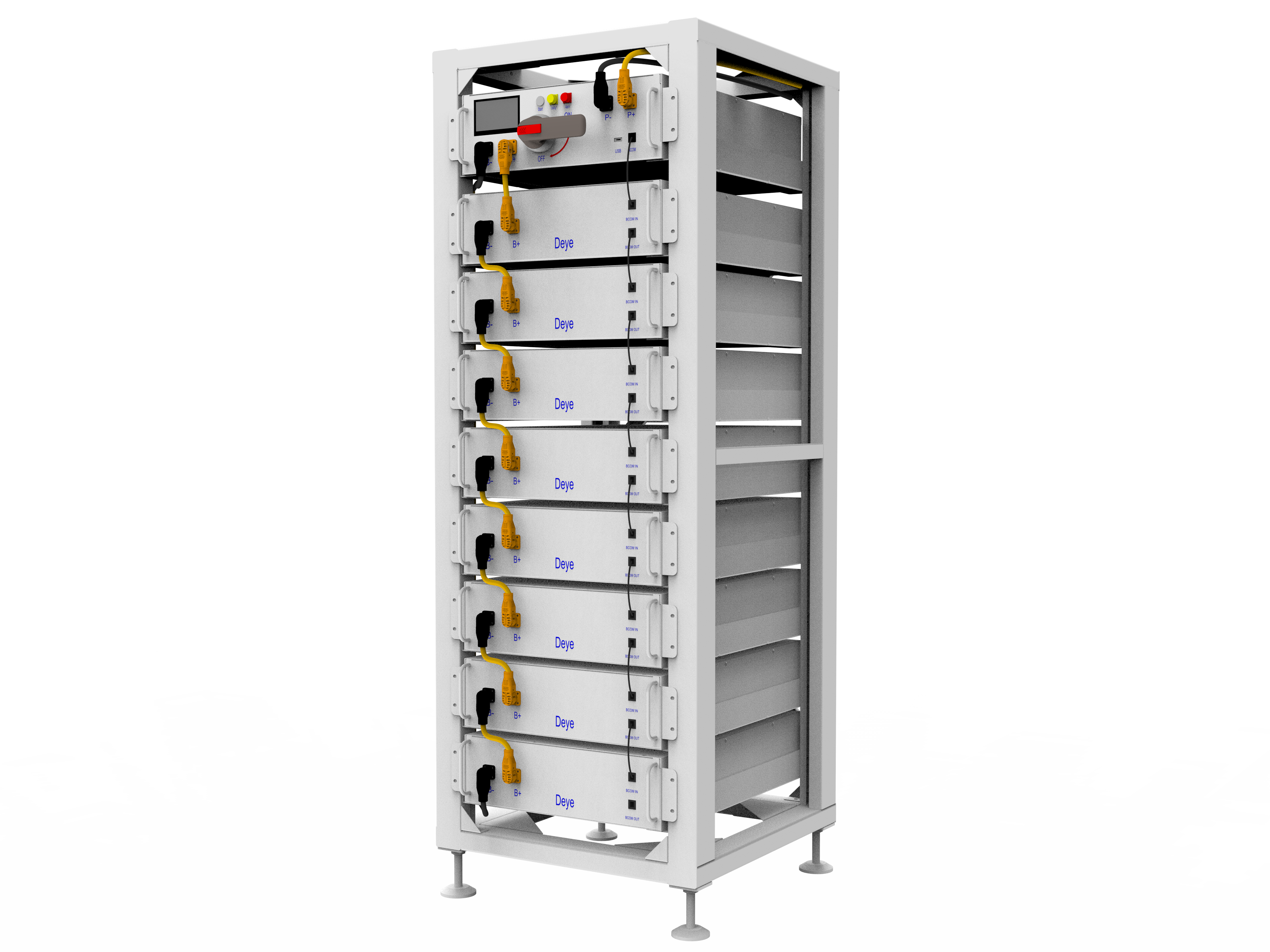
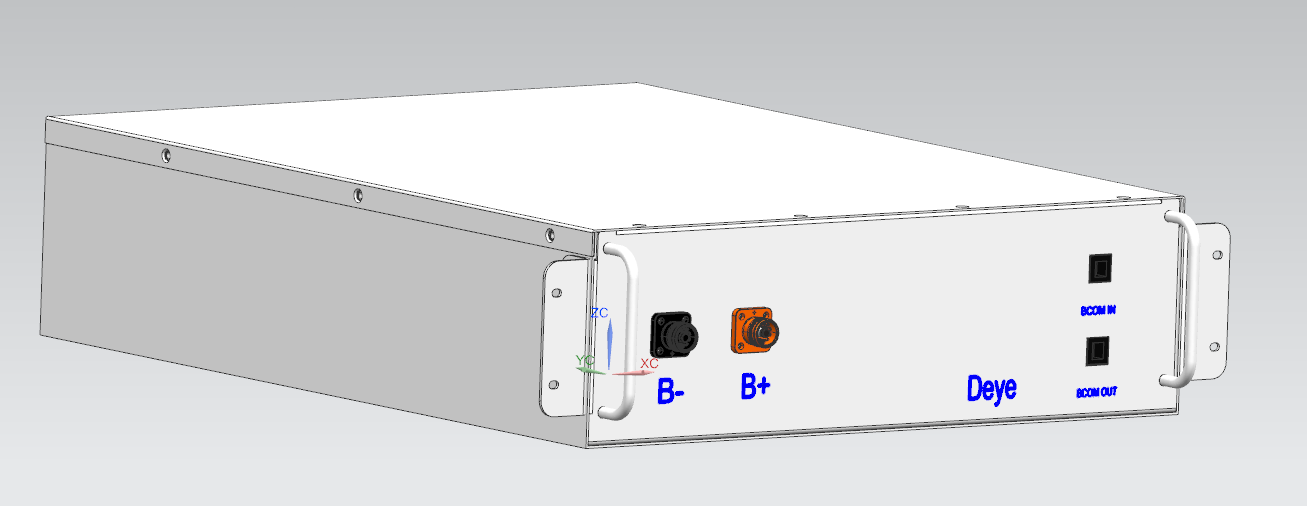
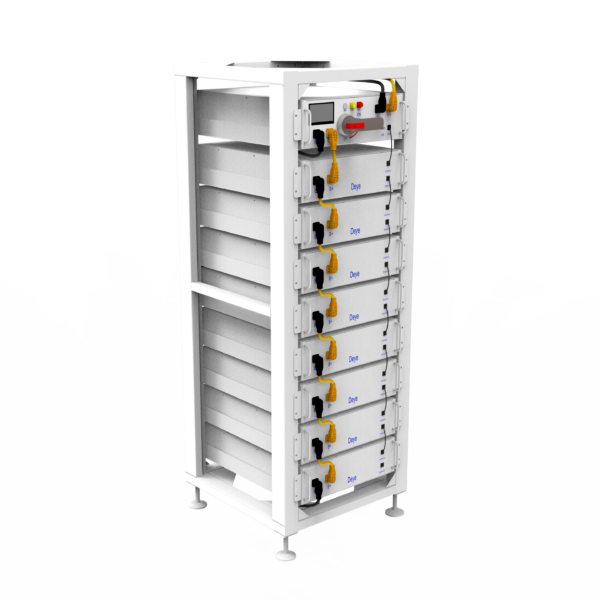
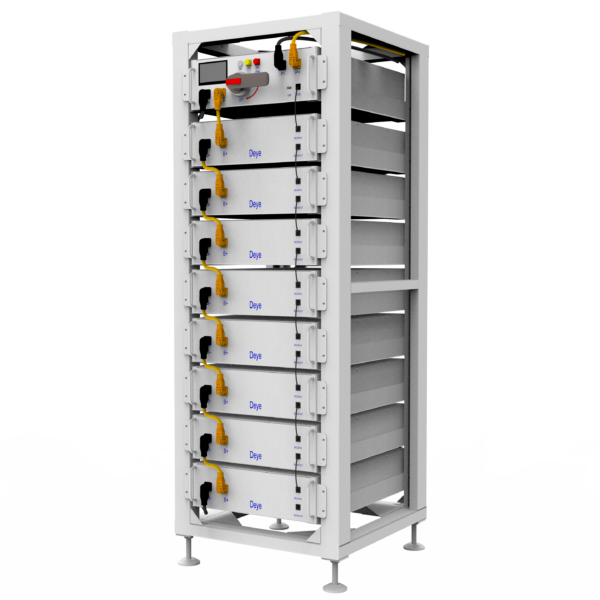
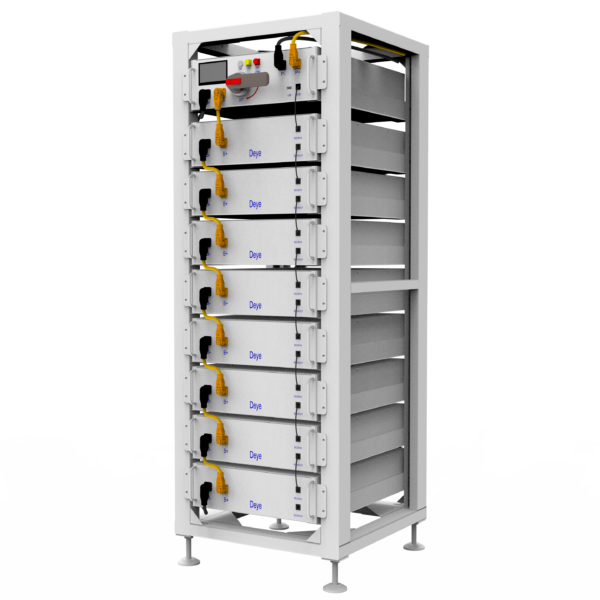
The Deye BOS-G listing concerns a 5.12kWh battery module used within a BOS-G high-voltage energy-storage system. The manufacturer identifies the module as BOS-GM5.1 and specifies 51.2V nominal voltage with 100Ah rated capacity. A complete installation also needs the appropriate high-voltage control box, approved module arrangement, compatible inverter and installation equipment. A photograph showing a full rack should not be interpreted as the quantity included in a one-module purchase. Ask for a written equipment schedule before comparing this listing with a complete system quotation.
Why a 51.2V module belongs to a high-voltage system
The voltage of one internal module does not describe the operating voltage of the assembled rack. BOS-G modules are used in the prescribed series arrangement to build the required system voltage. They are therefore not interchangeable with a standalone low-voltage battery simply because both may carry a 51.2V label. Do not select this module for a normal 48V battery input on that basis. The complete inverter, control-box and battery configuration must be matched using the relevant BOS-G documentation.
Three documented configuration examples
The BOS-G v1.4 datasheet shows three-module, eight-module and twelve-module examples. Their nominal energy totals are 15.36kWh, 40.96kWh and 61.44kWh, while nominal system voltages are 153.6V, 409.6V and 614.4V respectively. These are complete-system reference values rather than the specification of one module. They also do not approve a connection to every high-voltage inverter. The proposed arrangement must fit the supported voltage range, controller version and inverter compatibility requirements of the specific installation.
Correcting the earlier capacity description
The previous page displayed 65.92kWh as a scalability figure without a clear configuration. The v1.4 manufacturer reference instead gives 61.44kWh for its twelve-module BOS-G example. Keeping that distinction explicit avoids suggesting that a single purchased 5.12kWh module provides a complete 65.92kWh system. BOS-G Pro has its own configurations and should not be substituted into this description. If a quotation offers a different system revision, ask for that revision and its supporting documents rather than combining figures from separate product generations.
Module dimensions are different from rack dimensions
The component table specifies 440 × 570 × 133mm in width, depth and height for BOS-GM5.1, with an approximate module mass of 44kg. The complete rack is substantially larger and heavier, so those module dimensions cannot be used to plan the entire equipment footprint. The control box occupies additional space and the system needs suitable access and support. Confirm the selected rack size and full assembled weight during design, along with delivery access and the method of handling the separate components.
Control box and system communication
The v1.4 document identifies HVB750V/100A regional control-box variants and lists CAN2.0 and RS485 communication for the system. The correct controller is part of the compatibility decision, not an optional detail to add after modules are chosen. A commercial quotation should identify the controller, rack, module count and inverter explicitly. Interfaces alone do not prove that two devices communicate correctly. Use the approved system documentation to establish the equipment combination and let the installer confirm any firmware or commissioning requirements.
Stored energy and operating power
A 5.12kWh module rating describes energy. The completed system operating power is a separate quantity affected by the series configuration, current limits and inverter. The reference sheet lists 50A recommended system current, 100A nominal current and a 125A discharge peak limited to two minutes at 25°C. Those values should not be turned into a single guaranteed AC power claim for one module. They belong in a coordinated design using actual operating voltage, temperature, state of charge and equipment limits.
Planning the installation environment
BOS-G is an IP20 rack-mounted system and needs an appropriate protected installation environment. The manufacturer separates charging at 0–55°C from discharging at −20–55°C, with a storage reference of 0–35°C. These are distinct operating conditions. They do not support a blanket statement that every function is available throughout the widest temperature range. Plan access, service space and the equipment location with the installer, using the manual applicable to the supplied system rather than treating a catalogue rack image as an installation layout.
Expanding an existing BOS-G installation
An expansion enquiry should include the current inverter, controller, module identification and rack configuration. Additional modules may change the operating voltage or require a different approved arrangement; they are not simply extra energy that can be connected without reassessment. Record the existing firmware and commissioning information where available and request the manufacturer-supported expansion procedure. This page intentionally does not provide connection steps. The purpose is to identify the equipment being purchased and the system information needed to assess whether an expansion is appropriate.
A complete quotation prevents scope confusion
Ask Solar Deity to separate battery modules, high-voltage controller, rack, interconnection items, inverter and installation in the offer. Confirm whether the displayed price concerns a single module and specify the total module quantity you require. Request the matching datasheet, installation documentation and applicable warranty terms for that exact system. The warranty period should be read with its operating and throughput conditions, not used as an unconditional life expectancy. A clear equipment schedule is the most useful basis for comparing a module purchase with a finished storage solution.
Manufacturer reference
Deye BOS-G 5.12kWh Module manufacturer datasheet. Values above refer to this model and document version. Confirm the offered configuration and applicable local terms in the quotation.
Datasheet & Manual Downloads
Additional Information
| Parameter | Model-specific value / scope |
|---|---|
| Product scope | One BOS-GM5.1 battery module; complete system scope must be quoted separately |
| Battery system family | BOS-G; not BOS-G Pro |
| Module chemistry | LiFePO4 |
| Module nominal energy | 5.12kWh |
| Module nominal voltage | 51.2V |
| Module rated capacity | 100Ah |
| Module dimensions W × D × H | 440 × 570 × 133mm, per BOS-G v1.4 component table |
| Module approximate weight | 44kg |
| Module nominal current | 100A |
| System recommended current | 50A, per BOS-G v1.4 |
| System peak discharge reference | 125A for 2 minutes at 25°C |
| System configurations in reference datasheet | 3, 8 or 12 modules in series; inverter and controller compatibility must be checked |
| 3-module system reference | 15.36kWh nominal / 153.6V nominal |
| 8-module system reference | 40.96kWh nominal / 409.6V nominal |
| 12-module system reference | 61.44kWh nominal / 614.4V nominal |
| Control-box reference | HVB750V/100A; select the correct regional version |
| Enclosure | IP20 |
| Charge / discharge temperatures | 0–55°C / −20–55°C |
| Storage temperature | 0–35°C |
| Communication | CAN2.0 / RS485 |
| Recommended depth of discharge | 90% in the v1.4 reference; use documentation matching the supplied configuration |
| Installation | Approved rack-mounted high-voltage battery system |
| Warranty reference | Manufacturer terms and applicable throughput conditions must be confirmed for the complete supplied system |