

Sunwoda Atrix 5.12kWh Battery
Original price was: R19,500.00.R15,500.00Current price is: R15,500.00.
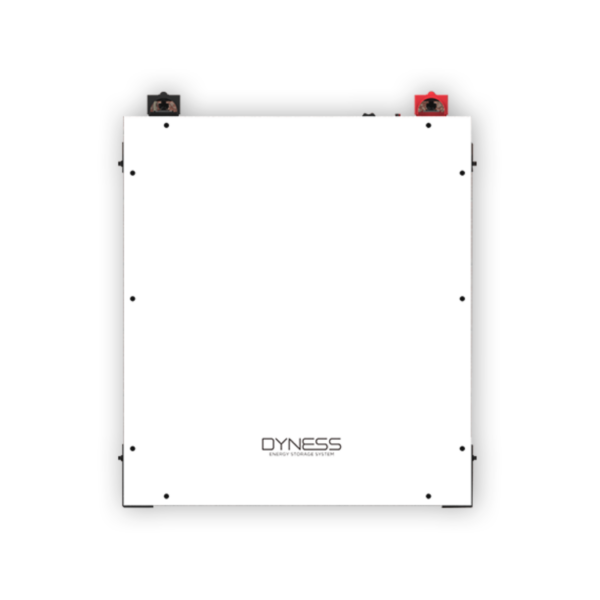
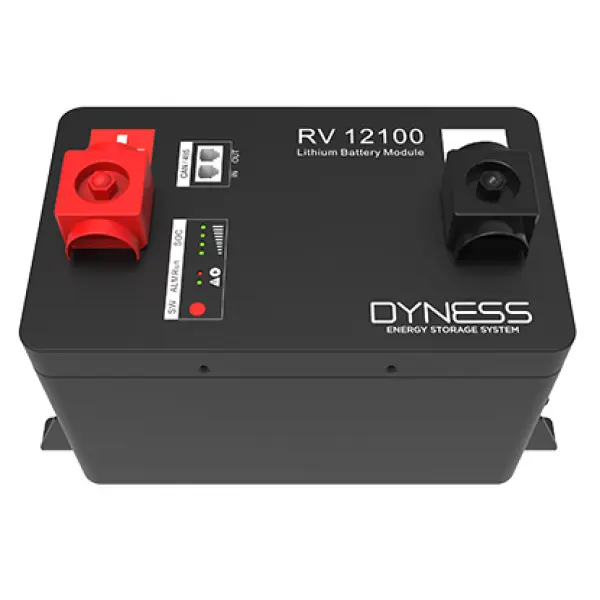
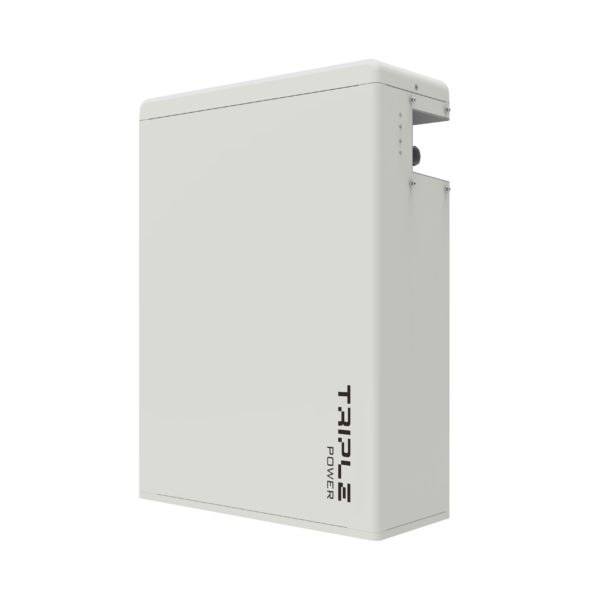
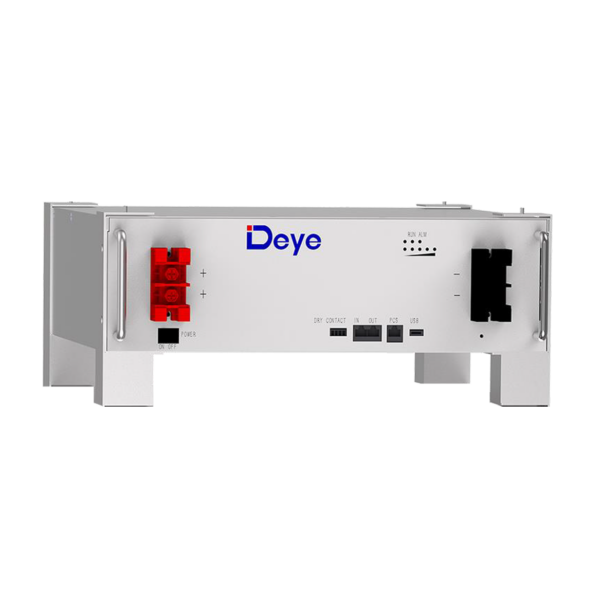
The Sunwoda Atrix listing brings together a 51.2V nominal voltage and 100Ah catalogue capacity, equivalent to 5.12kWh of nominal energy. It is a modular battery option for a compatible low-voltage storage system, used with a separate inverter. The horizontal module views on this page show the Atrix enclosure family rather than the upright SunESS stack. That distinction matters when planning the equipment space and checking what the quotation includes.
Sunwoda Atrix 5.12kWh Battery
The Sunwoda Atrix listing brings together a 51.2V nominal voltage and 100Ah catalogue capacity, equivalent to 5.12kWh of nominal energy. It is a modular battery option for a compatible low-voltage storage system, used with a separate inverter. The horizontal module views on this page show the Atrix enclosure family rather than the upright SunESS stack. That distinction matters when planning the equipment space and checking what the quotation includes.
Understand the two energy descriptions
The catalogue calculation is useful: voltage multiplied by amp-hours gives nominal watt-hours. It does not establish the energy that will reach household appliances. Sunwoda’s referenced Atrix-5 literature uses a 5kWh designation, while this catalogue uses 5.12kWh from 51.2V and 100Ah. These descriptions should be reconciled against the delivered label, not silently treated as a higher usable-energy guarantee. Ask for the exact Atrix revision when comparing quotations.

An Atrix module is not a complete solar installation
The module stores electricity; it does not supply a household AC circuit on its own. The inverter, control communication, protection and supported mounting arrangement form the rest of the storage system. A quotation for a battery module should identify which of those items are included and which are separate. This is particularly useful when replacing a failed battery in an otherwise working system, where existing equipment must also be checked.
Match a low-voltage inverter by model, not just by brand
A familiar inverter brand can sell both low-voltage and high-voltage products. Compatibility therefore needs the complete inverter code, the battery revision and the applicable communication support. The Atrix family reference includes CAN and RS485 communication, but the presence of a socket is not evidence that every inverter protocol is supported. Provide the installer with both equipment labels before selecting cables or changing any battery settings.

Separate storage capacity from discharge power
The 5.12kWh catalogue figure describes an energy quantity. It does not mean the module can continuously deliver 5.12kW through any inverter. Battery current limits, voltage, temperature and inverter conversion all affect the output available. A household with several appliances running together can reach a power limit while substantial energy remains stored. Define both the expected simultaneous demand and the duration of support when assessing this module.
Use an energy budget for a realistic backup discussion
A measured average demand of 500W over six hours requires 3kWh at the loads. A 1kW average over the same period requires 6kWh, already greater than this module’s catalogue nominal energy. Neither calculation is a runtime claim. Usable operating range, reserve settings and conversion losses still have to be considered. This simple comparison helps decide whether to reduce the essential-load list or discuss a supported larger battery arrangement.
The horizontal form factor changes the space plan
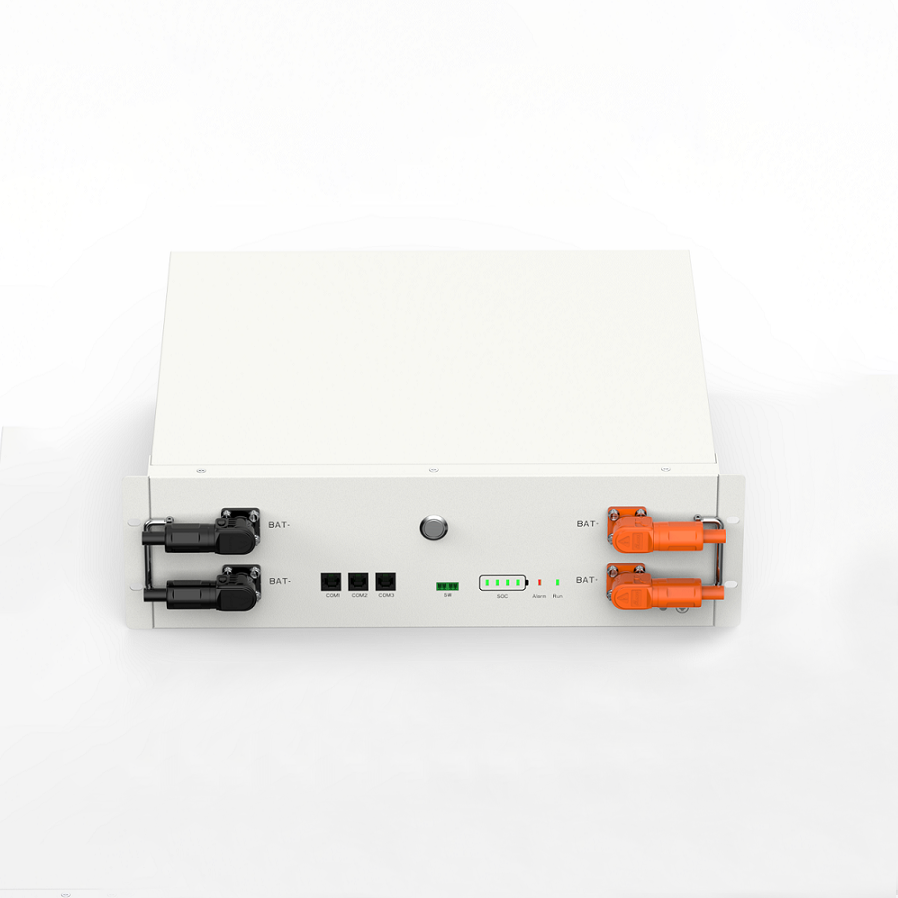
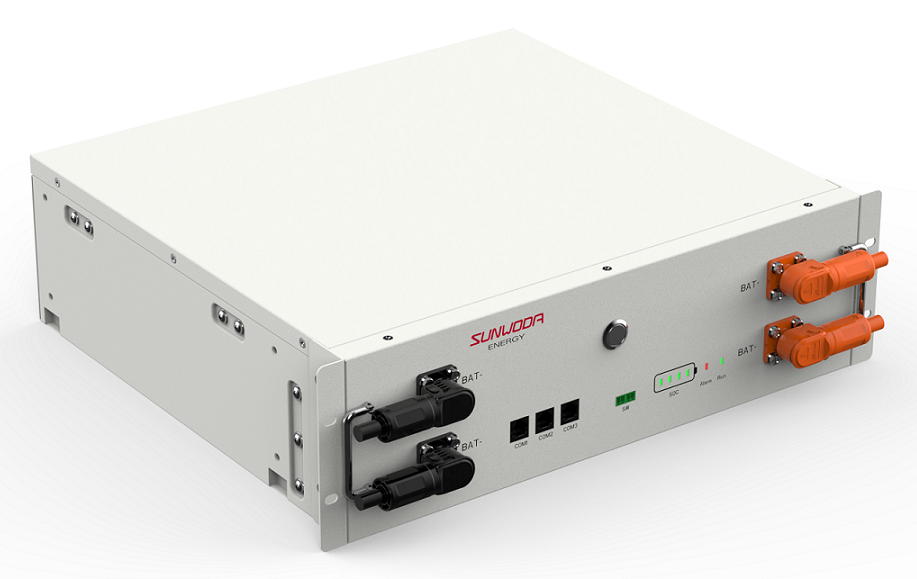
The existing product photographs show a low, wide module with connections on the front face. Reserve access to that face as well as space for the manufacturer-approved support arrangement. Do not copy the floor footprint or stacking hardware of SunESS merely because both products are from Sunwoda. The new indoor illustration explains planning priorities, while the supplied Atrix installation manual remains the reference for mounting, clearances and handling.
Plan additions as a system change
Adding another module changes the battery installation and should be checked against the manufacturer’s supported arrangement. The condition and revision of an existing module, communication setup, connection design and inverter limits all matter. A larger nominal total does not automatically increase every power limit by the same proportion. Ask for a written expansion plan identifying the module count and required supporting equipment before ordering additional batteries.
Reserve energy for the interruptions that matter
Some owners want to shift daytime solar energy into the evening; others place greater value on having energy available during an interruption. These priorities affect the selected reserve and the time of charging. Discuss which appliances need continuity and when they are used. A battery routinely emptied for evening consumption may have less energy available for an unexpected later outage, even though the hardware has not changed.
Keep the installation record with the battery
Retain the full model, serial number, commissioning settings and the matched inverter details. These records make future support more useful than a description such as Sunwoda five-kilowatt battery, which mixes a brand, an approximate size and the wrong unit for stored energy. Record any later module additions as well. Monitoring should help you compare expected and actual use, with changes investigated against the commissioned system rather than a generic runtime promise.
What to include in an Atrix enquiry
State whether you need a single replacement module, a new battery installation or an expansion. Include the inverter code, existing battery details, typical essential demand and the available indoor equipment space. Ask the quotation to name the Atrix revision, module quantity and supplied mounting or communication components. Solar Deity can then assess this 51.2V, 100Ah catalogue option against a defined system instead of relying on a shared family photograph.
Manufacturer reference
Product family documentation. Match the supplied model and revision before applying installation limits.
Technical specifications
| Parameter | Product detail |
|---|---|
| Product family | Sunwoda Atrix |
| Catalogue nominal voltage | 51.2 V |
| Catalogue capacity | 100 Ah |
| Calculated catalogue energy | 51.2 V × 100 Ah = 5,120 Wh / 5.12 kWh |
| Manufacturer family reference | Atrix-5 is designated 5 kWh in the 2024 brochure |
| System role | Battery storage with a separately matched inverter |
| Manufacturer communication reference | CAN 2.0 / RS485; verify supplied revision |
| Installation reference | Atrix family: indoor modular / cabinet arrangement |
| Continuous current and usable energy | Use the confirmed model datasheet and operating conditions |