Lumo L51100 51.2V 100Ah 5.12kWh Battery
Original price was: R19,000.00.R15,500.00Current price is: R15,500.00.
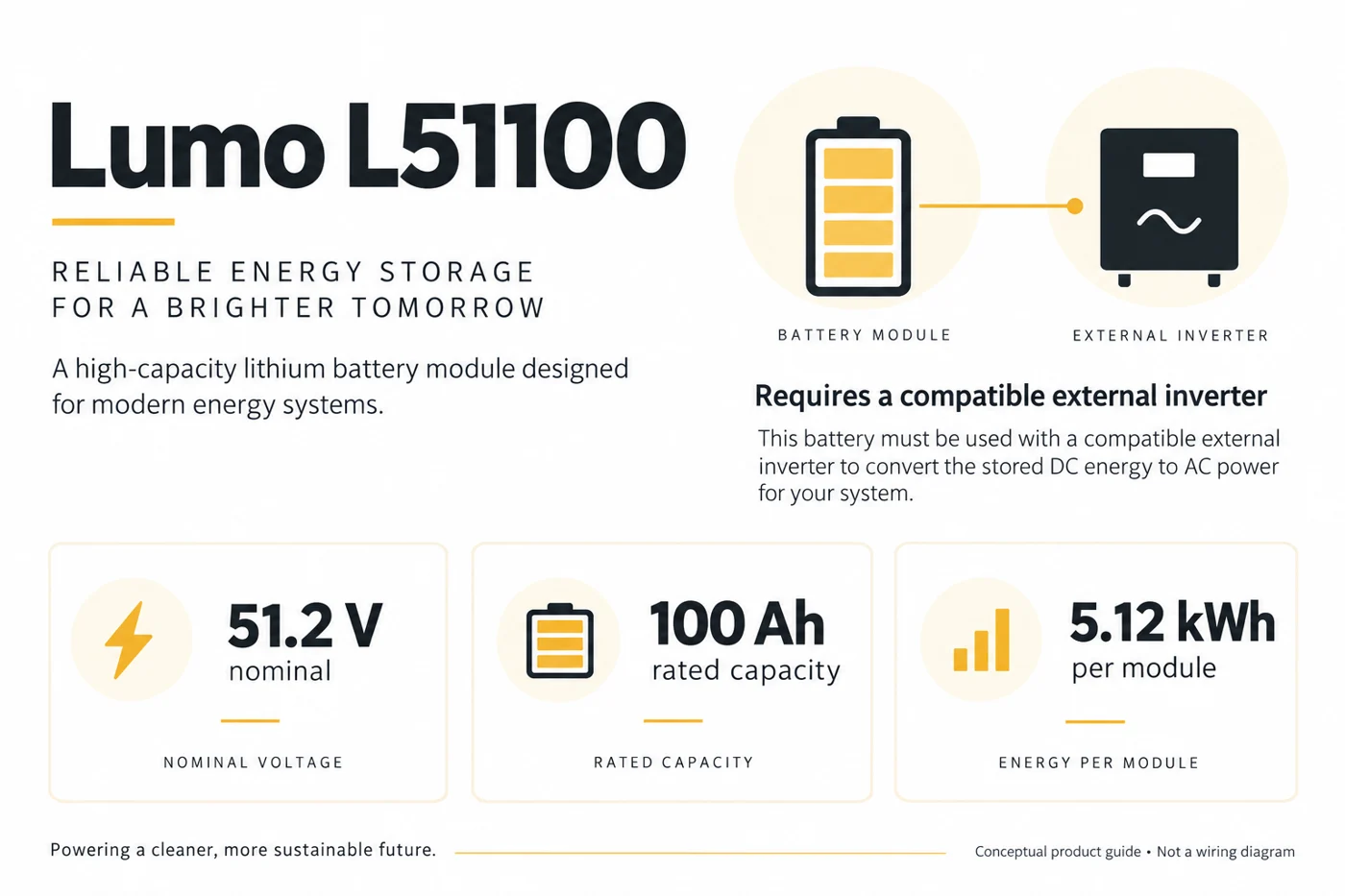
The Lumo L51100 is a 51.2V, 100Ah low-voltage battery module with 5.12kWh of nominal energy. It stores DC energy for use through a compatible inverter. This page describes one rated module; a two-battery installation photograph and a legacy URL containing 10.24kWh do not change the nominal capacity of one L51100.
Lumo L51100 51.2V 100Ah 5.12kWh Battery
The Lumo L51100 is a 51.2V, 100Ah low-voltage battery module with 5.12kWh of nominal energy. It stores DC energy for use through a compatible inverter. This page describes one rated module; a two-battery installation photograph and a legacy URL containing 10.24kWh do not change the nominal capacity of one L51100.
Identify the capacity of the module being ordered
The L51100 designation should be kept together with 51.2V, 100Ah and the module quantity on the order. Multiplying the nominal voltage by the amp-hour rating gives 5,120Wh for one module. A two-module arrangement would have twice the nominal energy only when it is supplied and installed as a supported combination. This distinction prevents a photograph of two batteries or an older product-link name from being mistaken for the contents of a single-module purchase.
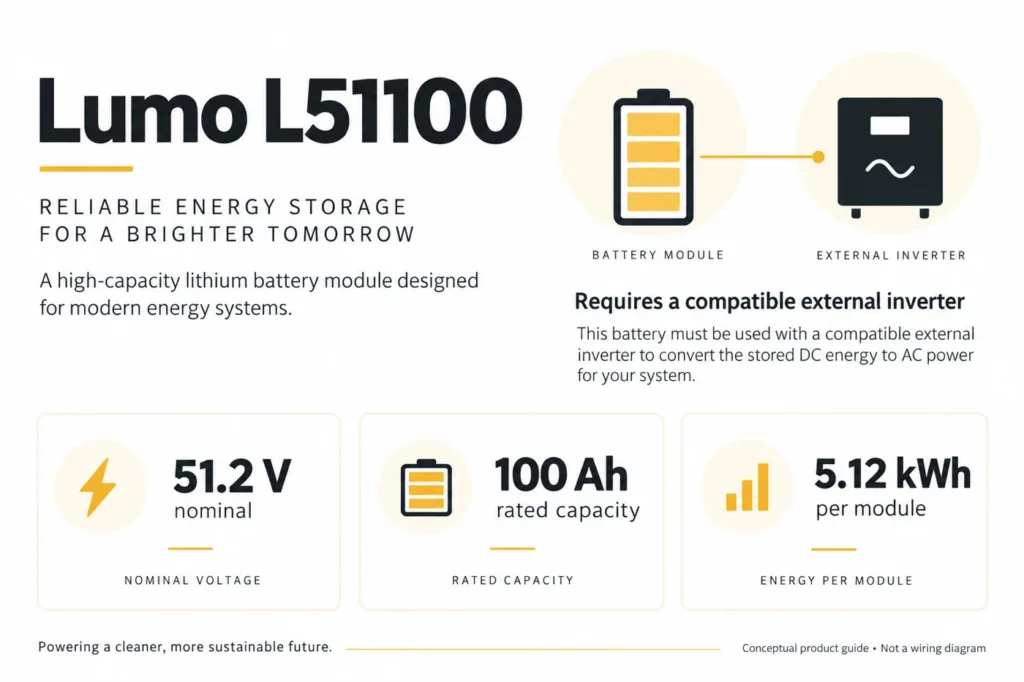
The battery and inverter perform different jobs
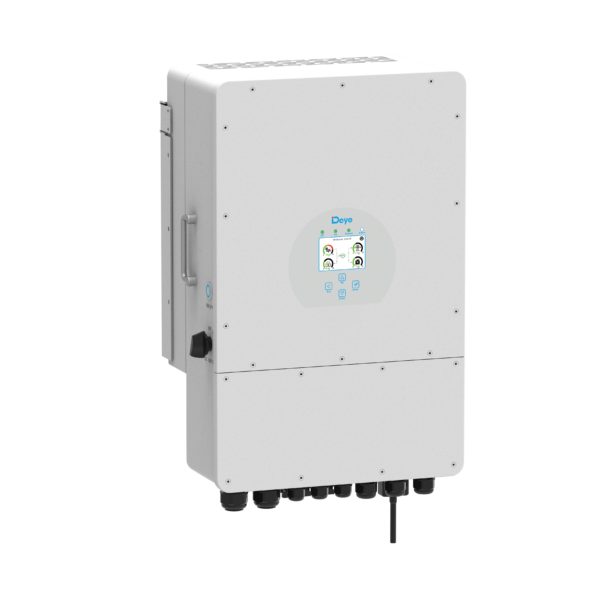
The battery stores energy in DC form, while a compatible inverter supplies the appropriate AC output to the selected circuits. The L51100 is therefore not a complete plug-in UPS by itself. The inverter, protection, support hardware and communication arrangement must be included in the system design. This is a useful distinction when comparing it with the PowerAll range, which is offered as a UPS product rather than a standalone storage module.

A 5.12kWh energy rating is not a 5.12kW AC promise
Stored energy and output power use similar-looking units but describe different capabilities. The module’s nominal energy helps plan duration. The battery’s current limits, actual voltage, inverter capability and control settings determine the available power. A larger inverter does not remove the battery’s own limits, and a full state-of-charge display does not establish that every connected appliance can operate simultaneously. Check both the energy budget and the intended peak demand.
Use a realistic evening energy budget
Suppose the selected circuits average 500W for six hours. Their energy use would be 3kWh before allowing for the inverter’s own consumption and conversion losses. This is an explanation of load energy, not a six-hour runtime guarantee for the L51100. The permitted discharge window and chosen reserve determine how much of the nominal 5.12kWh can be used. Recording the evening load pattern makes the storage requirement much clearer than counting appliance names.
Reserve settings express a choice about availability
Using more stored energy for routine evening demand can leave less available for a later interruption. Preserving a larger reserve does the opposite. Neither choice changes the nominal battery capacity, but it changes the energy the owner can use at different times. Discuss the intended balance between regular solar use and outage readiness during commissioning, and make sure the owner understands the settings shown by the monitoring system.
Communication needs the exact supported pairing
Solar Deity publishes a connection guide for the L51100 and a supported Deye arrangement. It identifies CAN communication and shows how the inverter can display battery-management information. That guide is a useful reference for the described combination, not blanket approval for every inverter with a CAN socket. The precise inverter model, firmware, battery revision and communication cable arrangement should be checked together before an installation or replacement is commissioned.
A battery-management display is useful evidence
Once the correct supported communication is established, the inverter’s battery-information display can help confirm that battery-management data is being received. That is more informative than assuming communication works merely because the equipment powers on. The commissioning handover should explain the status information relevant to the installed pairing. Current limits and charging settings should follow the applicable battery documentation and management-system requirements rather than be copied automatically from another installation.
Inspect the pictured equipment by its purpose
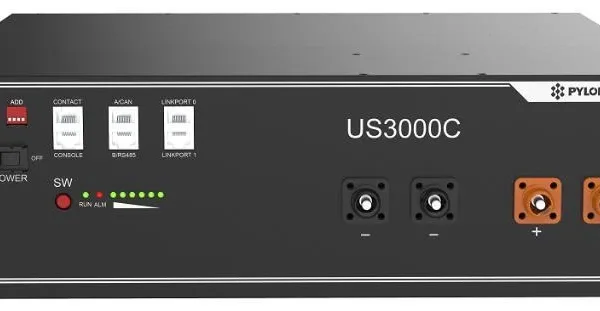
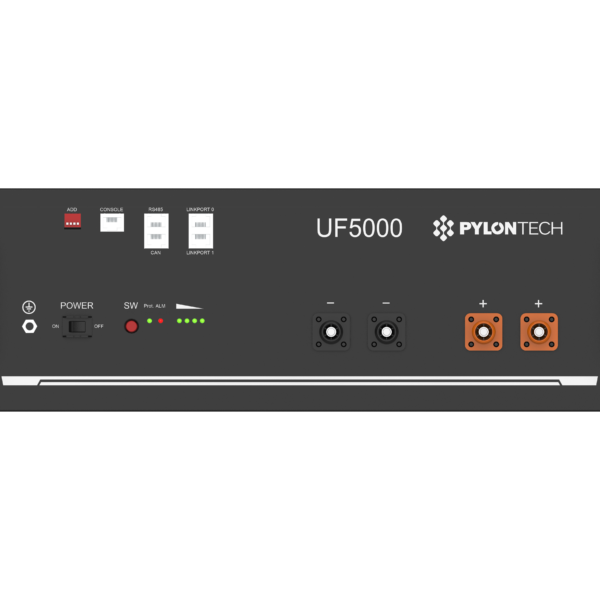
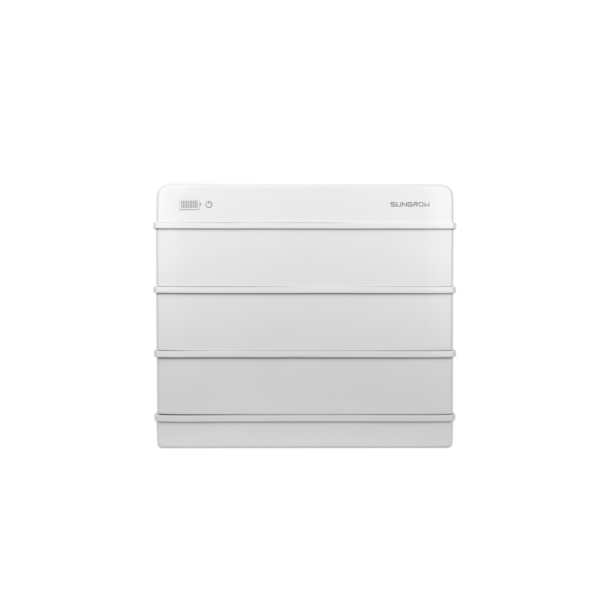
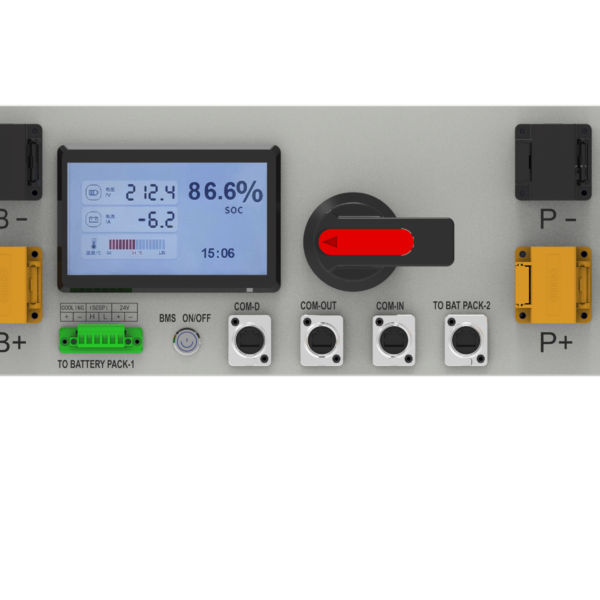
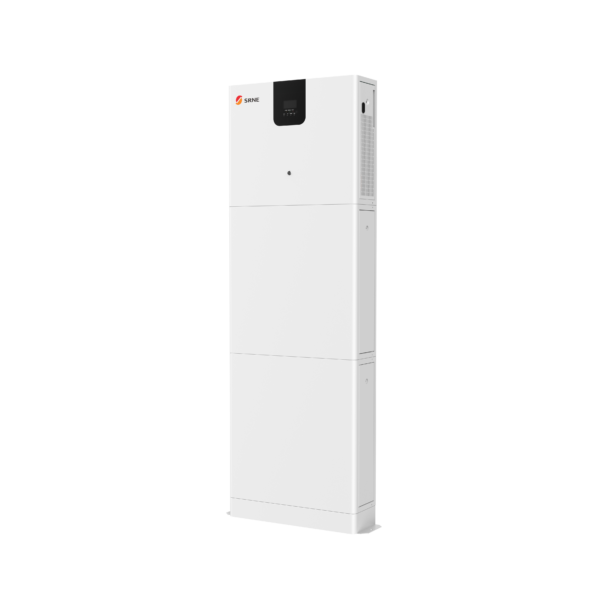
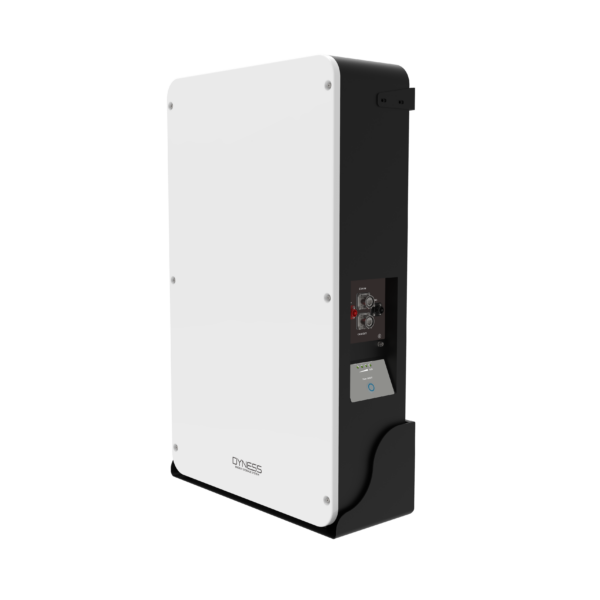
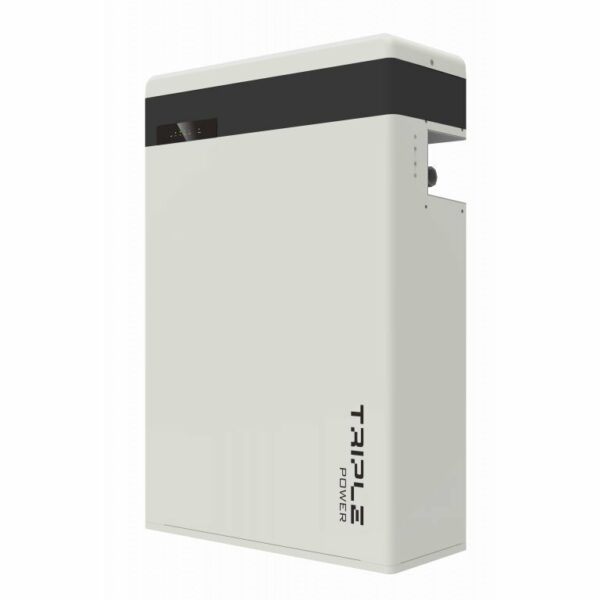
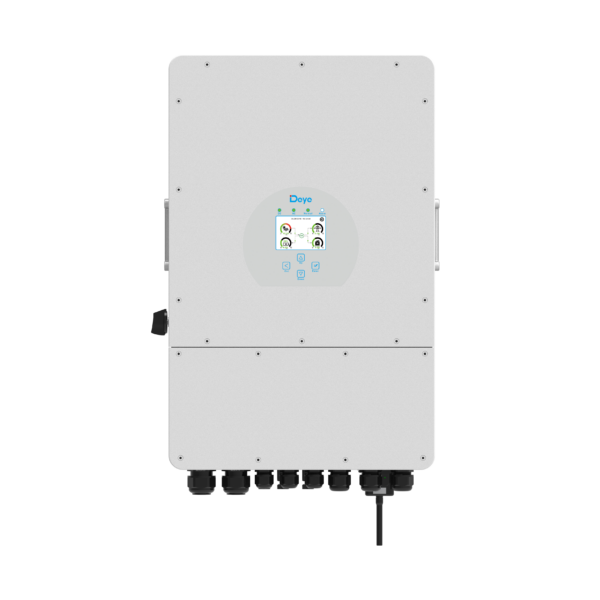
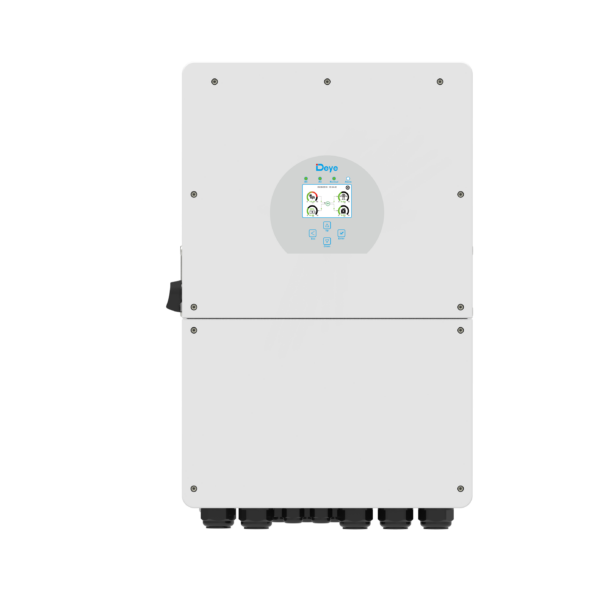
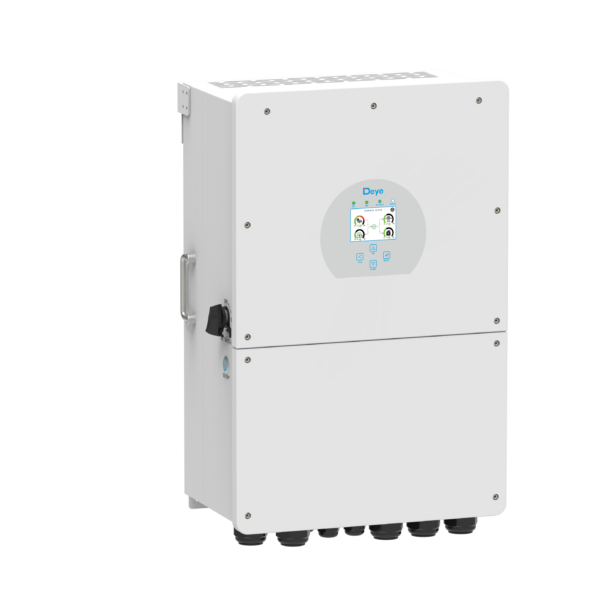
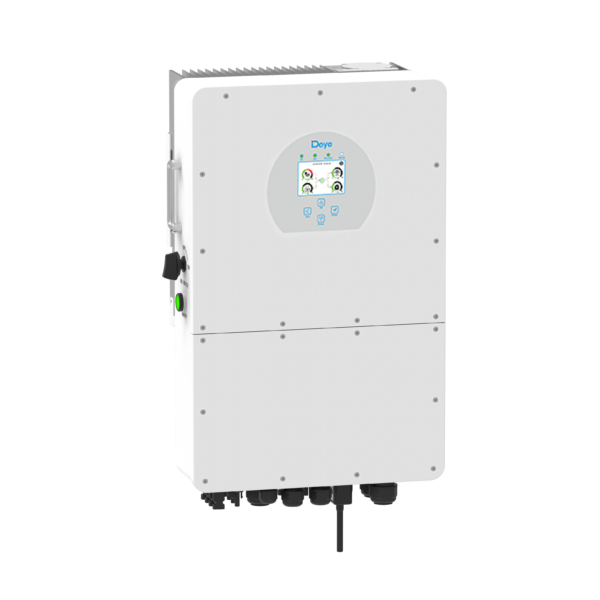
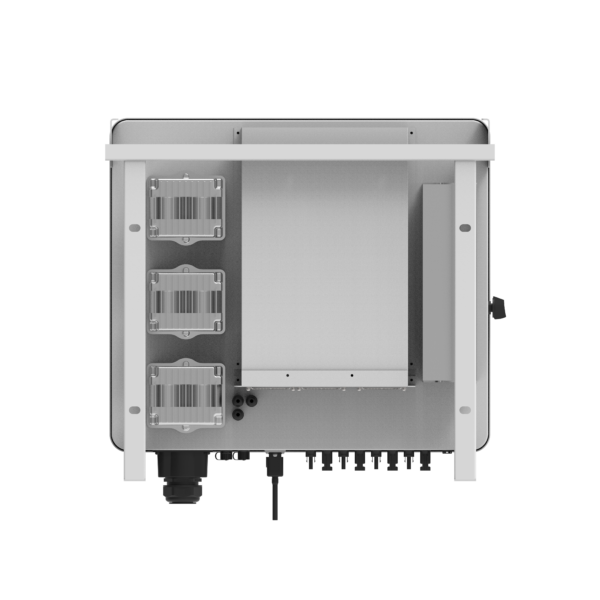
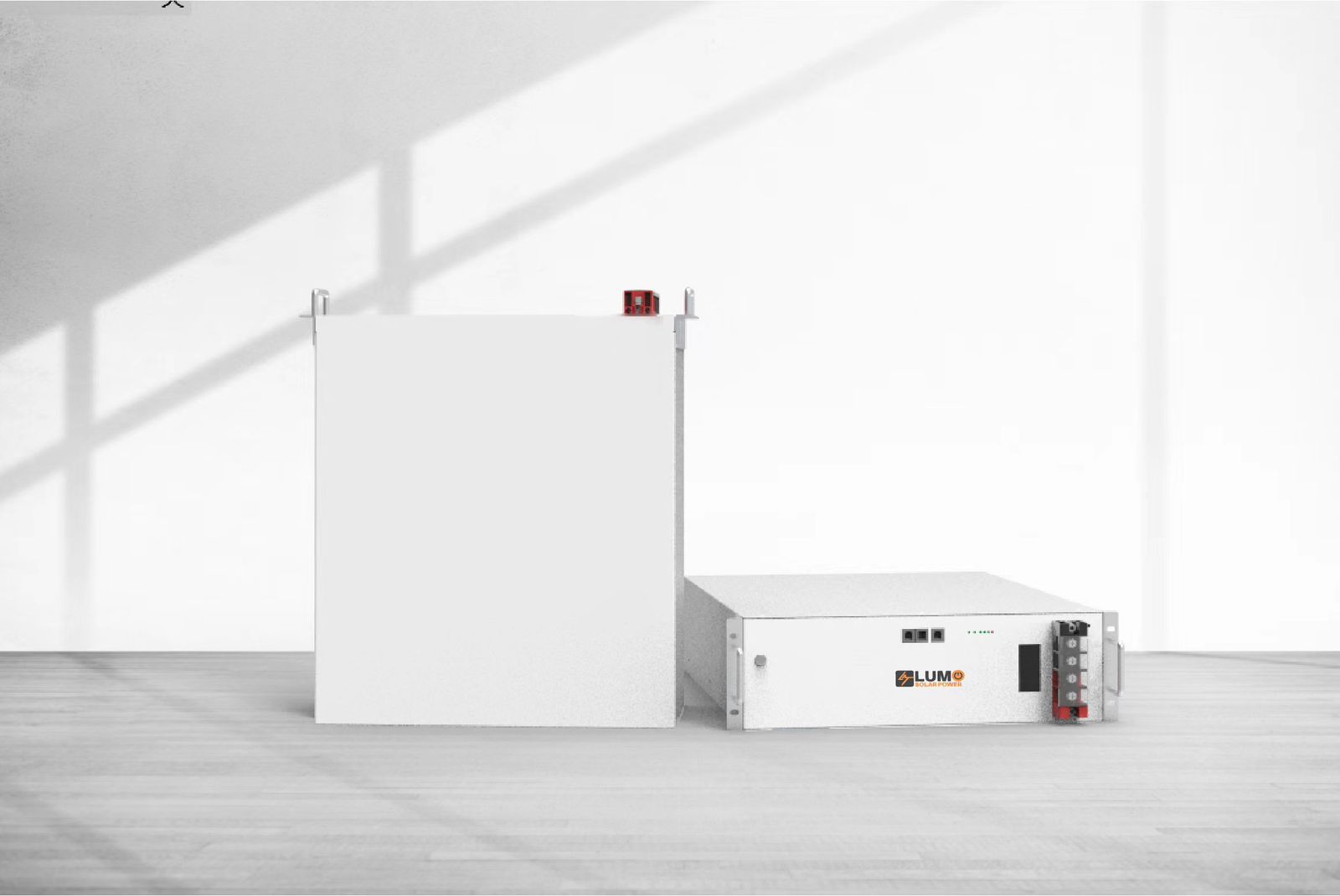
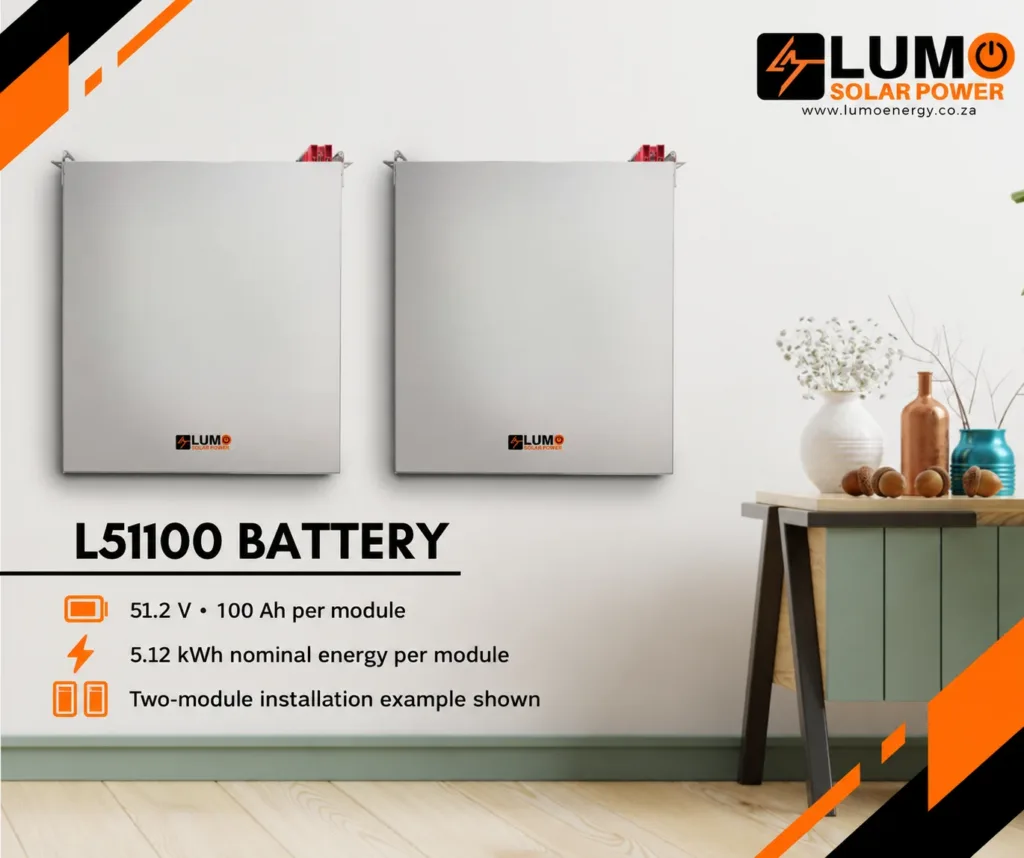
The product images show Lumo enclosure references, and the separate installation illustration shows two L51100 batteries. The latter is explicitly labelled as a two-module example. Its capacity statement is expressed per module so that the image cannot imply extra included storage. Older promotional claims about discharge depth, cycle life and warranty are not used as a substitute for the terms and specification of the actual unit being supplied.
The mounting arrangement belongs in the quotation
Confirm which enclosure format and support hardware are included for the supplied L51100 revision. A family image may show more than one physical arrangement. Access to the isolator, communication ports and status indicators should be considered alongside the mounting position. Allow for service and future inspection when planning the location, rather than reserving only enough space for the front face of the battery.
Expansion should be designed before extra modules are ordered
Adding storage can increase the energy available for the intended loads, but the combination must be supported. Check the model and revision of the installed battery, the permitted arrangement and the inverter’s capacity and communication requirements. A two-module nominal-energy calculation is not permission to mix unrelated batteries. Keeping the original equipment identifiers and commissioning records makes a later expansion assessment considerably more reliable.
Charging opportunity determines how often capacity can be reused
A larger battery does not help much if the installation cannot replenish the energy consumed between interruptions or overnight periods. Review the available solar surplus, the permitted charging source and the operating schedule. A household using most of its daytime generation directly may have less surplus than the array’s nameplate total suggests. The inverter and battery settings should reflect the actual energy pattern rather than a fixed expectation based only on 5.12kWh.
Prepare the information needed for an accurate order
Provide Solar Deity with the inverter model, existing battery details where relevant, the intended module quantity and the main load profile. Request the supplied unit’s specification and applicable warranty terms as part of the quotation. This keeps the purchase centred on the L51100 actually being offered, while the module guide and labelled application imagery explain its role without implying an entire installation is included.
Product reference
Manufacturer or product connection reference. Use the matching model column and supplied operating instructions.
Technical specifications
| Parameter | Product detail |
|---|---|
| Model | Lumo L51100 |
| Nominal voltage | 51.2 V |
| Rated capacity | 100 Ah |
| Nominal energy per module | 5.12 kWh / 5,120 Wh |
| Energy calculation | 51.2 V × 100 Ah = 5,120 Wh |
| Two-module energy example | 10.24 kWh nominal, only for a supported two-module configuration |
| Application | Low-voltage stationary storage with a compatible external inverter |
| Communication reference | Solar Deity L51100 guide describes CAN communication to a supported inverter |