

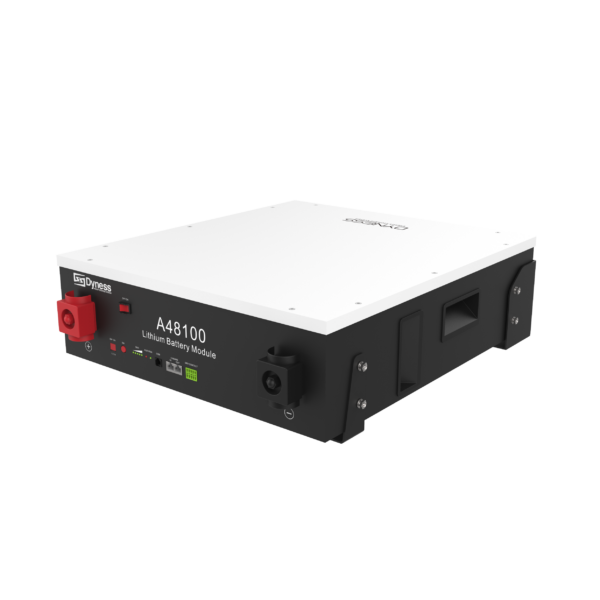
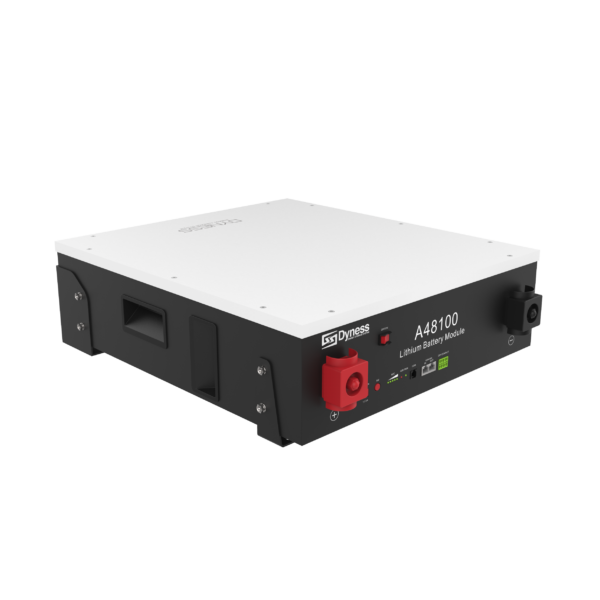

Dyness A48100 4.8kWh Battery
R13,500.00
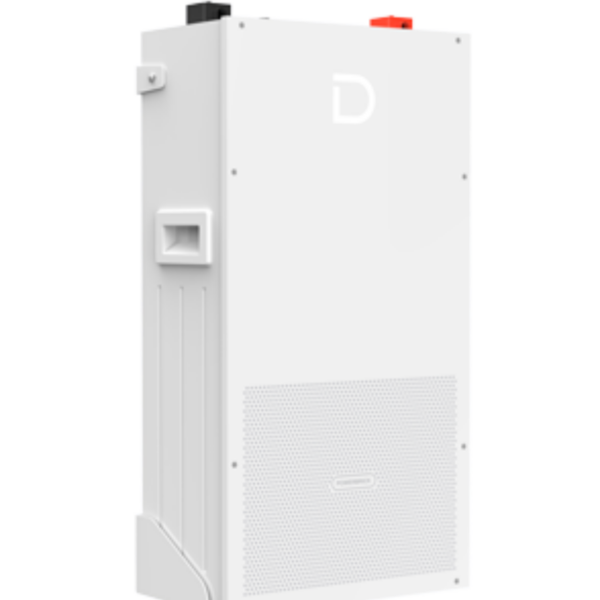
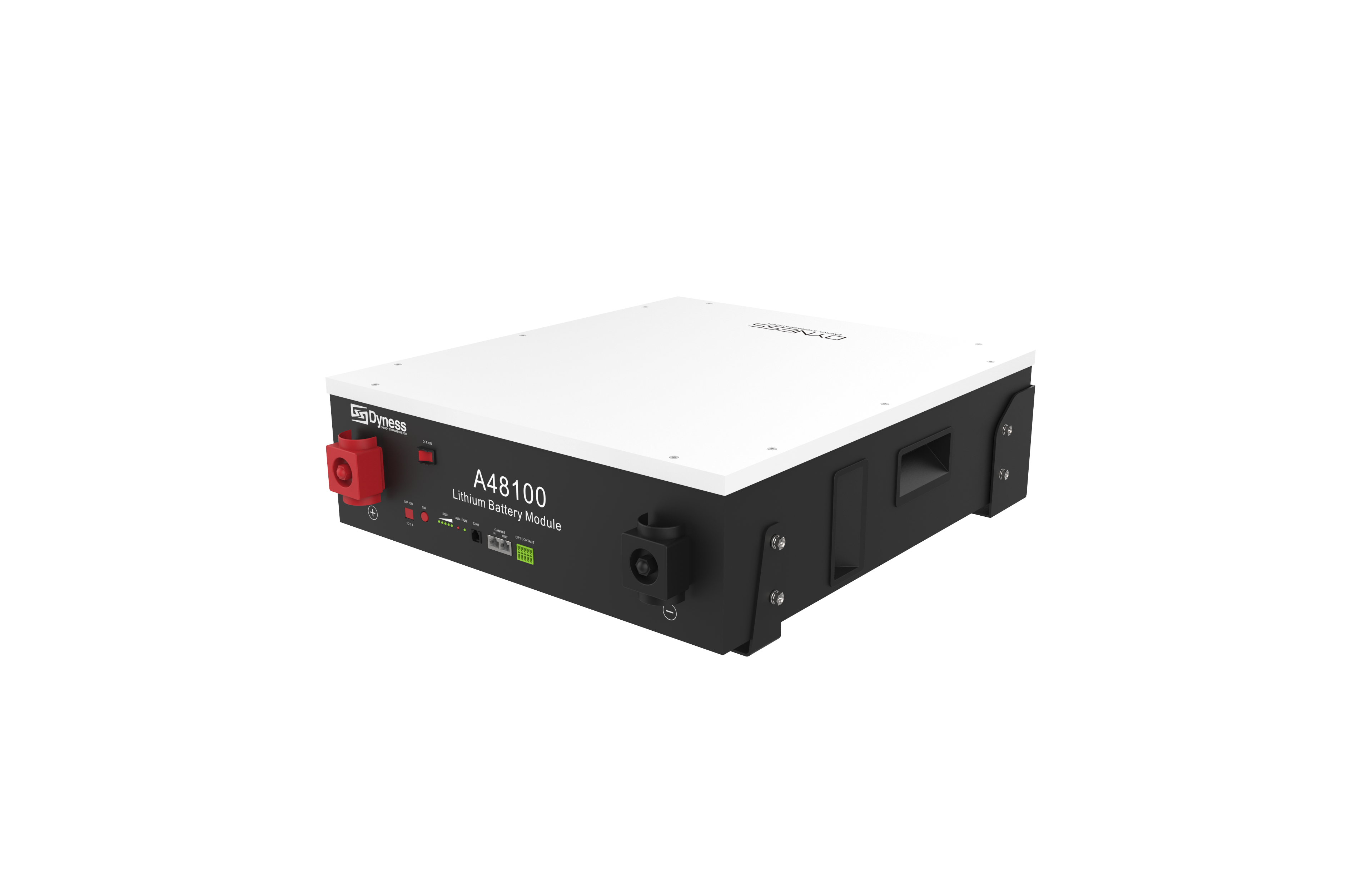
The Dyness A48100 stores 4.8kWh at a nominal 48V and 100Ah. It is a LiFePO4 battery module for a compatible low-voltage storage system. Its 48V rating is important: this model should not be described using the 51.2V and 5.12kWh figures of a different Dyness product, even though both products may have a 100Ah label.
Dyness A48100 4.8kWh Battery
The Dyness A48100 stores 4.8kWh at a nominal 48V and 100Ah. It is a LiFePO4 battery module for a compatible low-voltage storage system. Its 48V rating is important: this model should not be described using the 51.2V and 5.12kWh figures of a different Dyness product, even though both products may have a 100Ah label.
Why 4.8kWh is the correct capacity
The nominal energy follows from 48V multiplied by 100Ah, giving 4,800Wh. A 51.2V, 100Ah module has a different nominal energy even though the amp-hour figure is identical. Keeping these values separate makes product comparisons more useful and avoids ordering an expansion battery on the assumption that all similarly sized Dyness modules are equivalent.
Choose the operating current deliberately
The model documentation distinguishes the recommended 50A charge/discharge current from its 75A maximum. The recommended setting is a different planning point from the upper limit. An installer must account for battery communication, inverter settings and the DC circuit together. A larger inverter does not make a single battery capable of supplying its full nameplate power in every operating condition.
Reserve energy for the right circuits
For evening cycling, compare the household’s after-sunset consumption with the energy that can be stored during the day. For backup, identify a smaller group of priority circuits and the desired reserve. These choices determine how much of the battery is available for normal use. The nominal 4.8kWh is not a guaranteed quantity of AC energy after reserve and conversion losses.
Use the existing battery label for expansion
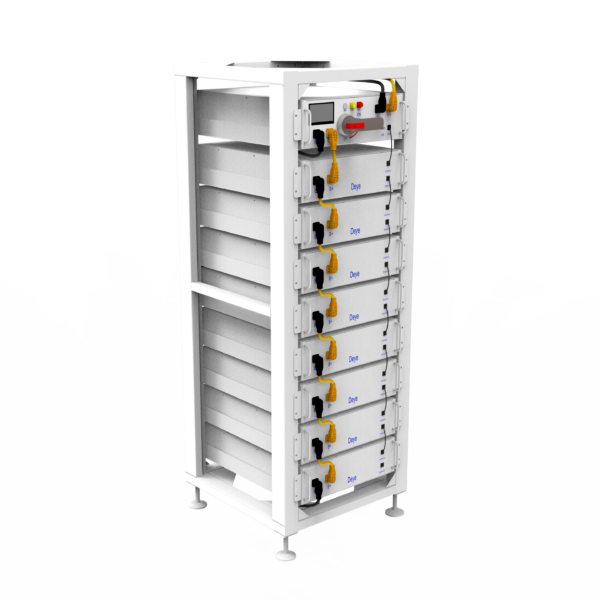
If this purchase is intended to expand an installed bank, record the current module model and revision before choosing the addition. A48100, DL5.0C and other Dyness names refer to different products. Similar enclosures or a shared brand do not establish that modules can be mixed. The supported arrangement needs to match the equipment already installed.
Plan an indoor installation
IP20 makes the location part of the product selection. Provide a suitable protected indoor position, the required clearances and access to the indicators and connections. Avoid planning a location on appearance alone. Mounting hardware, cabinet arrangements and service access should be checked against the actual unit and the manufacturer’s installation documentation.
Check the system specification together
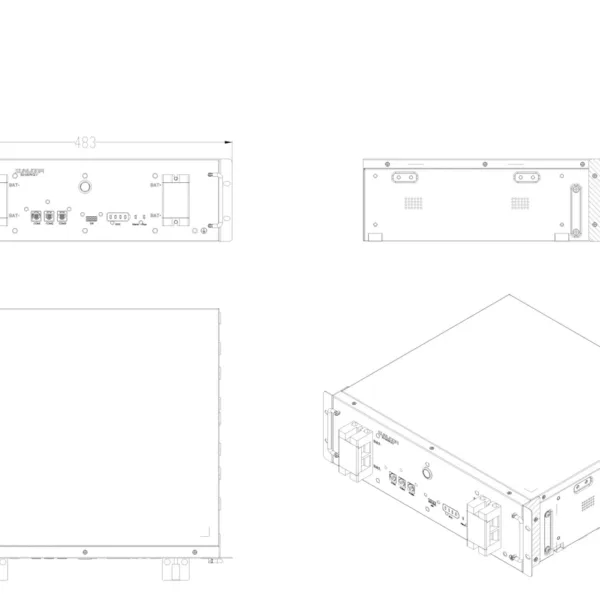
The battery, inverter and communication settings form one working system. A quotation should identify the A48100 explicitly and state the intended module quantity. If more reserve is required later, assess both the charging energy available and the compatibility of the added modules. Use the linked manufacturer document for the supplied revision rather than borrowing dimensions or limits from another battery listing.