

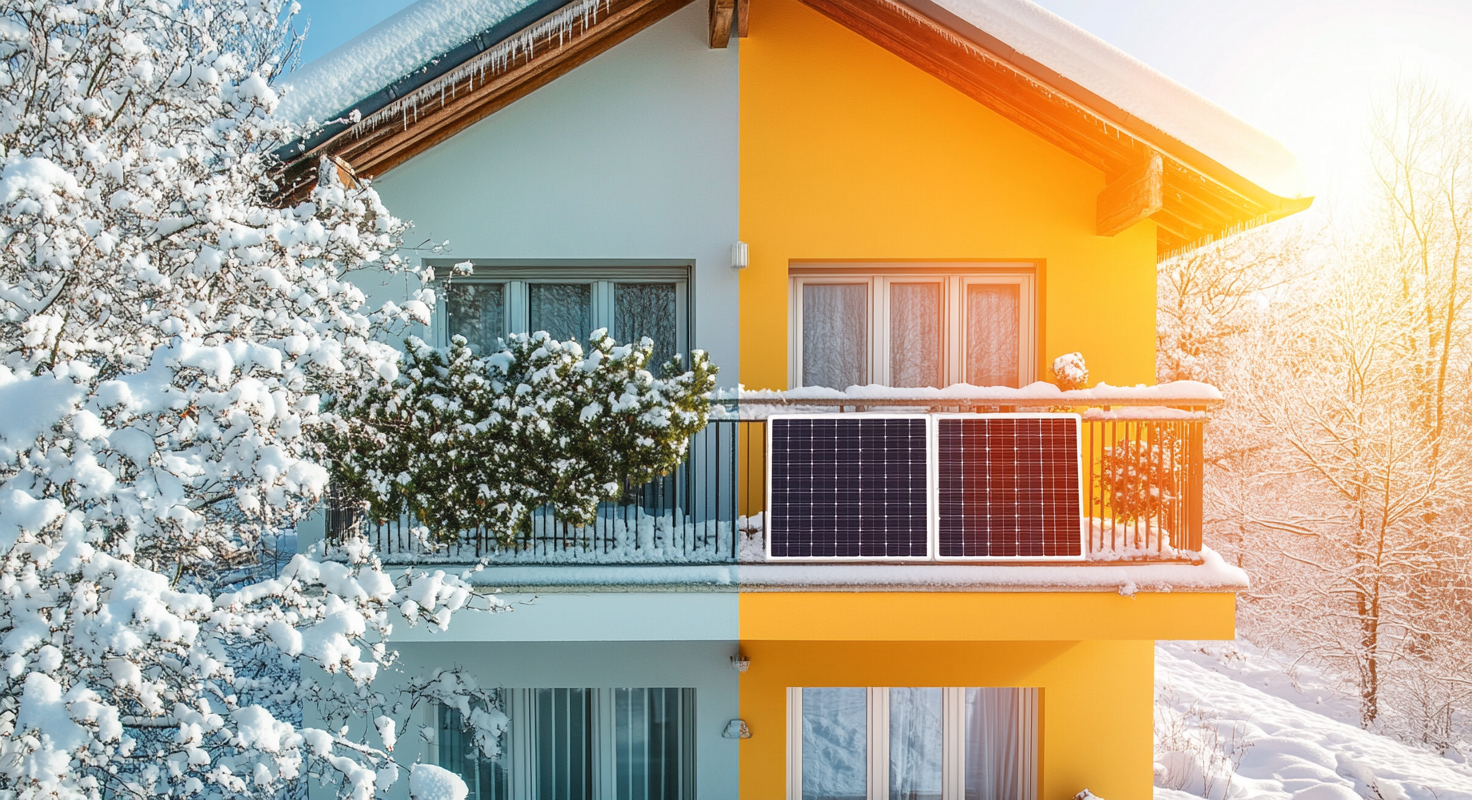
Emerging studies reveal that balcony-integrated solar-storage systems could dramatically alleviate South Africa’s energy crisis while cutting household electricity expenses. Here’s a technical and socioeconomic analysis tailored to SA’s unique context.
1. SA-Specific System Design
Optimized configurations for SA conditions:
- PV Modules: 400-1,000W monocrystalline panels (25° tilt), achieving 1,800-2,200 kWh/m²/year irradiation
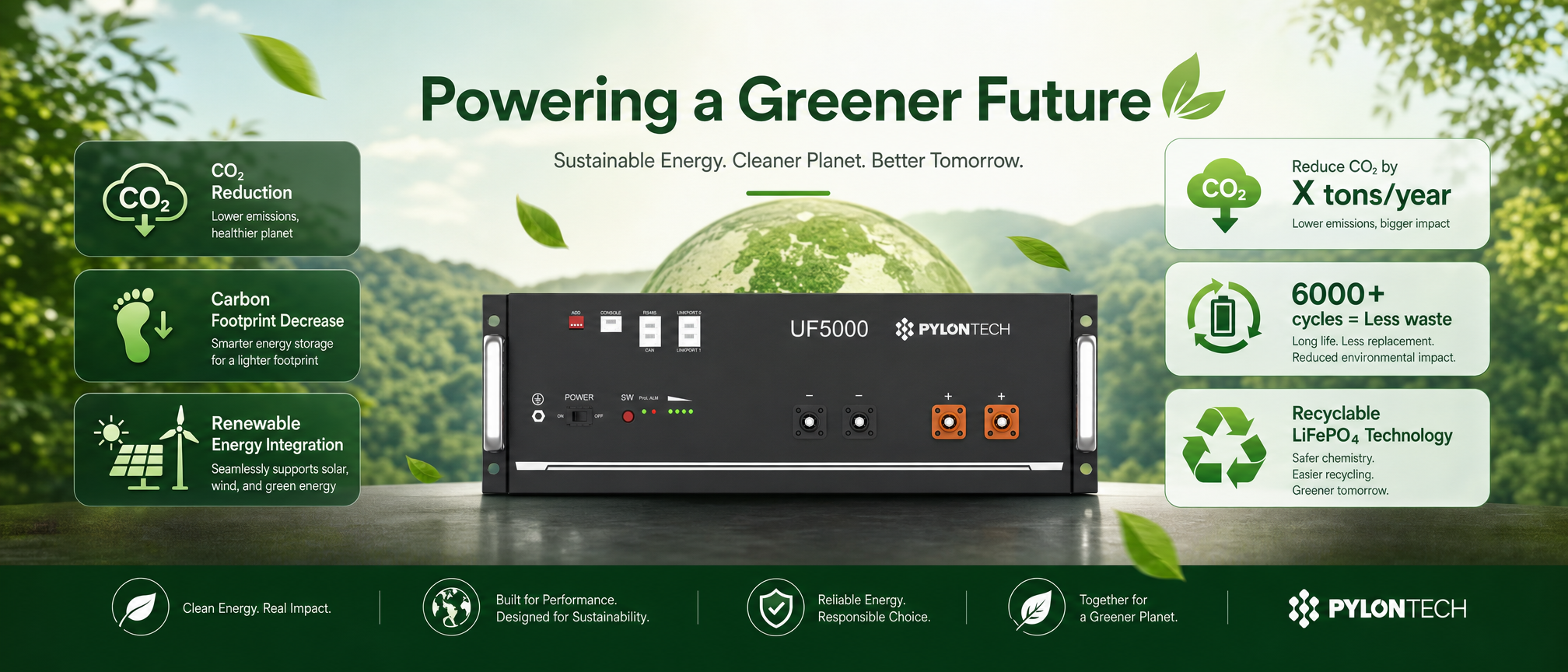
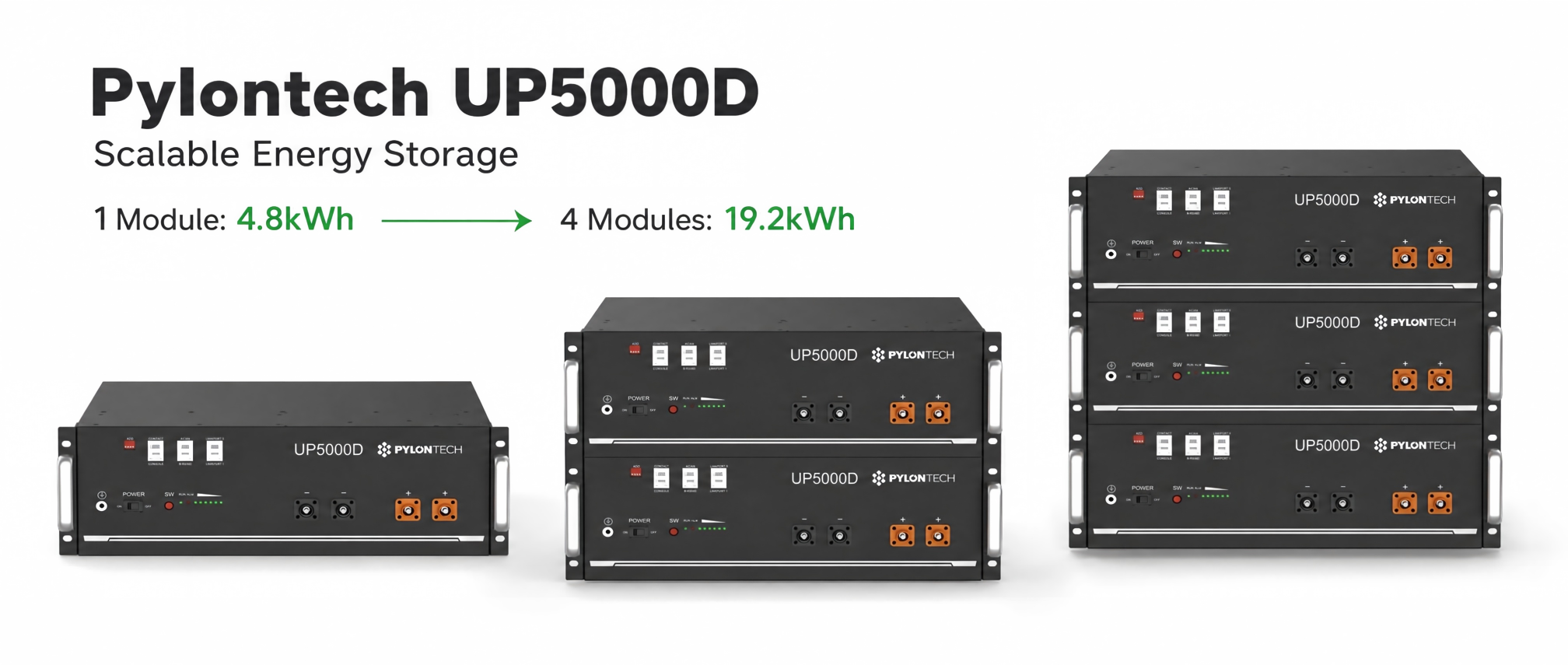
- Storage: 2.4-4.8kWh lithium batteries (LFP preferred) to offset 6-8 hours of daily load-shedding
- Inverters: Hybrid models with <2ms grid-switching for uninterrupted supply during outages
A 2023 University of Cape Town simulation showed 64% cost reduction for a 750W system in Johannesburg, assuming: – Eskom’s tariff of R2.558/kWh (2024) – 4-hour daily peak pricing at R3.85/kWh – 85% battery utilization during load-shedding (Mbeki et al., SA Journal of Science, 2023)
2. Economic Viability in SA
| Parameter | Value |
| System Cost (2024) | R18,000-R35,000 (before subsidies) |
| Annual Savings | R9,200-R14,500 |
| Payback Period | 2.1-3.8 years |
| IRR | 22-34% (vs. 15% commercial solar) |
Key savings drivers: – Avoiding 82% of Stage 4-6 load-shedding generator costs (R4.50-R6/kWh) – 100% rebate on municipal service fees for off-grid households (Cape Town 2024 policy) – Reduced dependence on Eskom’s 15.6% annual tariff hikes
3. Critical Implementation Challenges
- Regulatory Hurdles: Only 3/9 provinces recognize balcony systems as “non-permanent structures”
- Battery Risks: LFP capacity fade accelerates by 1.2× in high-temperature regions (e.g., Northern Cape)
- Grid Compliance: Requires SANS 10142-1-certified inverters (35% cost premium)
4. Emerging Local Innovations
- Load-Shedding AI: Stellenbosch University’s algorithm predicts outages 2hrs ahead, optimizing storage dispatch
- PV-T Hybrid: SA-designed panels combining 18% PV efficiency with 50°C water heating
- Local LFP Production: Bushveld Minerals’ pilot plant aims to cut battery costs by 40% by 2026
5. Unresolved Research Questions
- Urban vs. Rural Divide: Townships’ dense housing reduces viable balcony space by 60-75%
- Insurance Costs: Fire risk perceptions increase premiums by R120-R300/month
- Carbon Credit Potential: Estimated R420-R650/year income pending SAPIA certification

While balcony solar-storage systems offer transformative potential for SA households, widespread adoption requires streamlined regulations, localized manufacturing, and consumer education programs. The 64% savings benchmark, though achievable in major metros, underscores the urgency of addressing structural barriers in low-income communities.



Add comment