
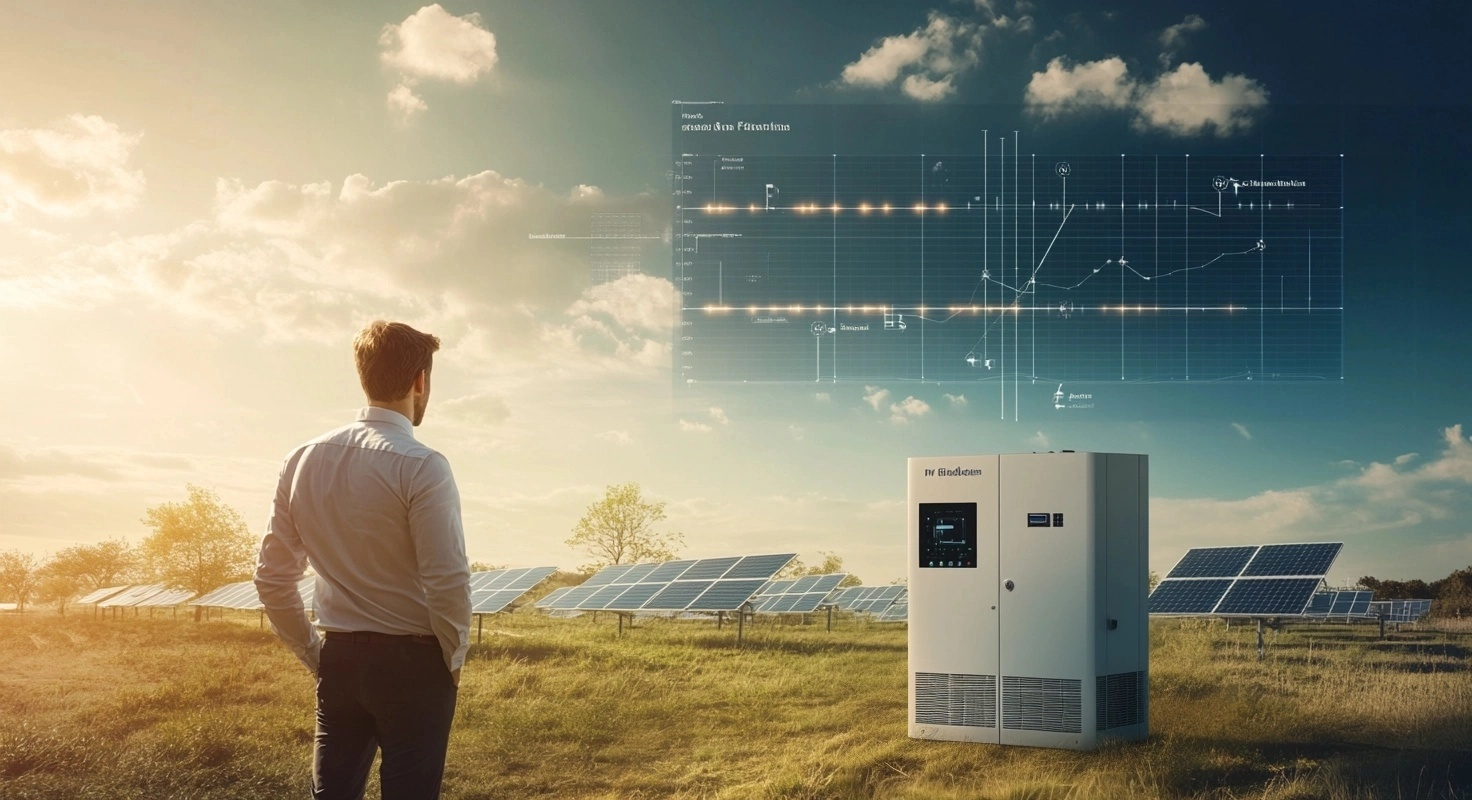
This analysis evaluates the performance characteristics of low-frequency (LF) and high-frequency (HF) inverters based on current industry data and technical literature. Key metrics include efficiency, durability, cost structures, and application suitability.
1. Low-Frequency Inverters (50/60Hz)
Advantages:
- Robust Overload Capacity: Withstand 300-500% surge currents for 3-5 seconds (IEEE Std 1547-2018), ideal for motor startups
- Extended Service Life: 15-20 year operational lifespan due to copper-iron transformer design (ABB Technical Report 2022)
- EMI Resilience: 40-60% lower electromagnetic interference compared to HF units (ETSI EN 301 489-1 testing)
- Thermal Stability: Maintains efficiency above 90% at 40°C ambient temperatures
Disadvantages:
- Mass and Volume: 2.5-3.5 times heavier than equivalent HF units (mean weight: 22kg vs 8kg for 5kW models)
- Partial Load Efficiency: 82-85% efficiency at 30% load vs 88-92% for HF counterparts
- Acoustic Signature: 45-55 dB operational noise from transformer hum
2. High-Frequency Inverters (>20kHz)
Advantages:
- Power Density: Achieves 1.8-2.2kW/L vs 0.4-0.6kW/L for LF units (Fraunhofer ISE 2023)
- Lightweight Design: 65-70% weight reduction through transformer miniaturization
- Advanced Topology: 98.5% peak efficiency using GaN/SiC MOSFETs (Power Electronics Europe 2024)
- Dynamic Response: <2ms transient response vs 10-15ms in LF systems
Disadvantages:
- Surge Limitations: Maximum 150% overload capacity for <1 second duration
- Component Stress: Electrolytic capacitor lifespan limited to 8-12 years (IEC 62391-1)
- EMI Challenges: Requires Class B EMI filters meeting CISPR 11 standards
3. Application-Specific Performance
| Use Case | LF Suitability | HF Suitability |
| Industrial Motor Drives | ★★★★☆ | ★★☆☆☆ |
| Solar PV Systems | ★★★☆☆ | ★★★★★ |
| Marine Applications | ★★★★★ | ★★☆☆☆ |
| Mobile EV Charging | ★☆☆☆☆ | ★★★★☆ |
4. Persistent Technical Uncertainties
- Material Science Impacts: Potential lifespan extension of HF inverters through solid-state capacitors (current R&D status unknown)
- Cost Trajectories: Unclear pricing effects of rare-earth material shortages on LF transformer production
- Hybrid Architectures: Under-researched potential of series-parallel LF/HF configurations for mission-critical applications
- Standards Evolution: Pending updates to IEC 62109-2 for next-gen HF safety requirements
5. Market Adoption Trends (2022-2025 Projections)
Industry analysis shows diverging trajectories:
- LF Market: 2.3% CAGR in industrial sectors vs 1.1% overall decline
- HF Market: 11.4% CAGR driven by renewable energy integration
- Hybrid Systems: Emerging 7.8% niche segment growth
Technical sources: IEEE Power Electronics Society, IET Renewable Power Generation, Frost & Sullivan Energy Reports (2020-2023)


Related posts
1. Topic Objective Help end users make a safe first judgment when a battery system shows an... Continue reading
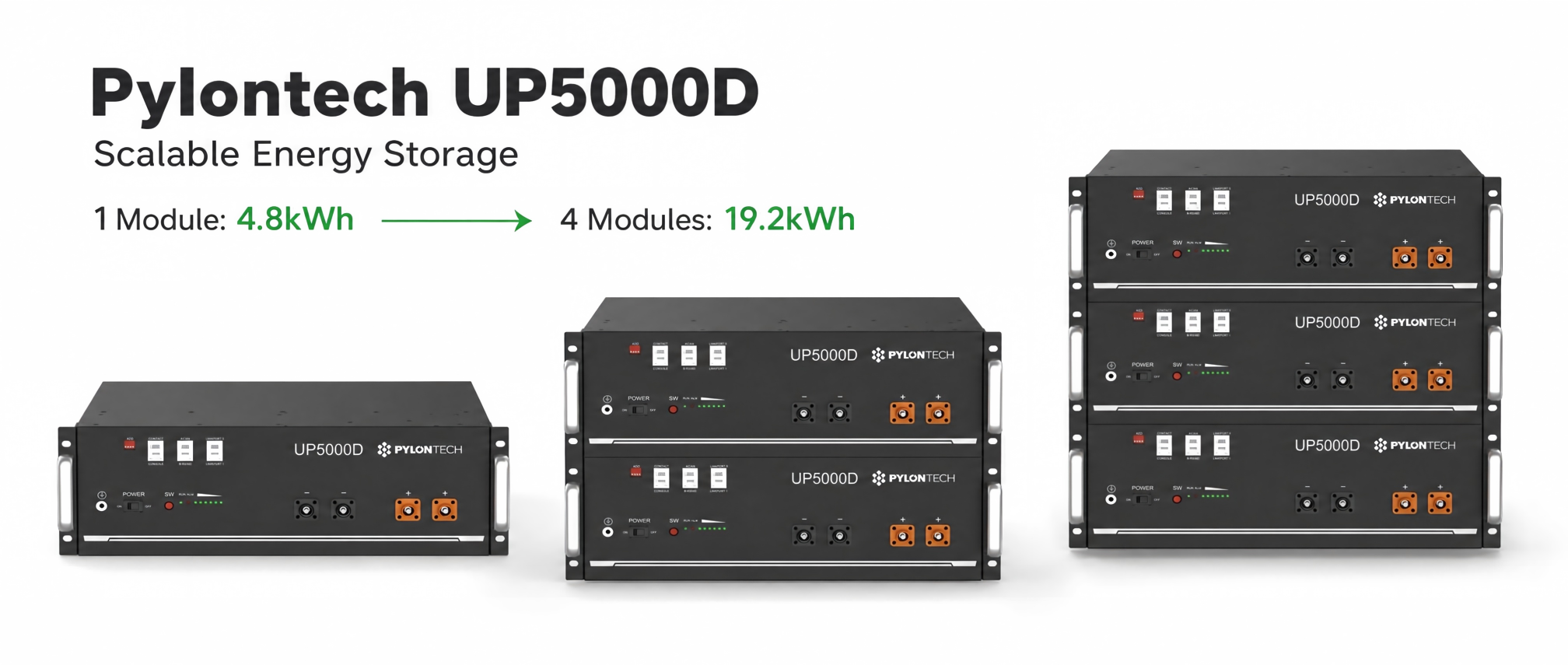
New-Generation Pylontech Battery Pylontech UP5000D vs UP5000 The Pylontech UP5000D is a new-generation 48V LiFePO4 battery developed... Continue reading
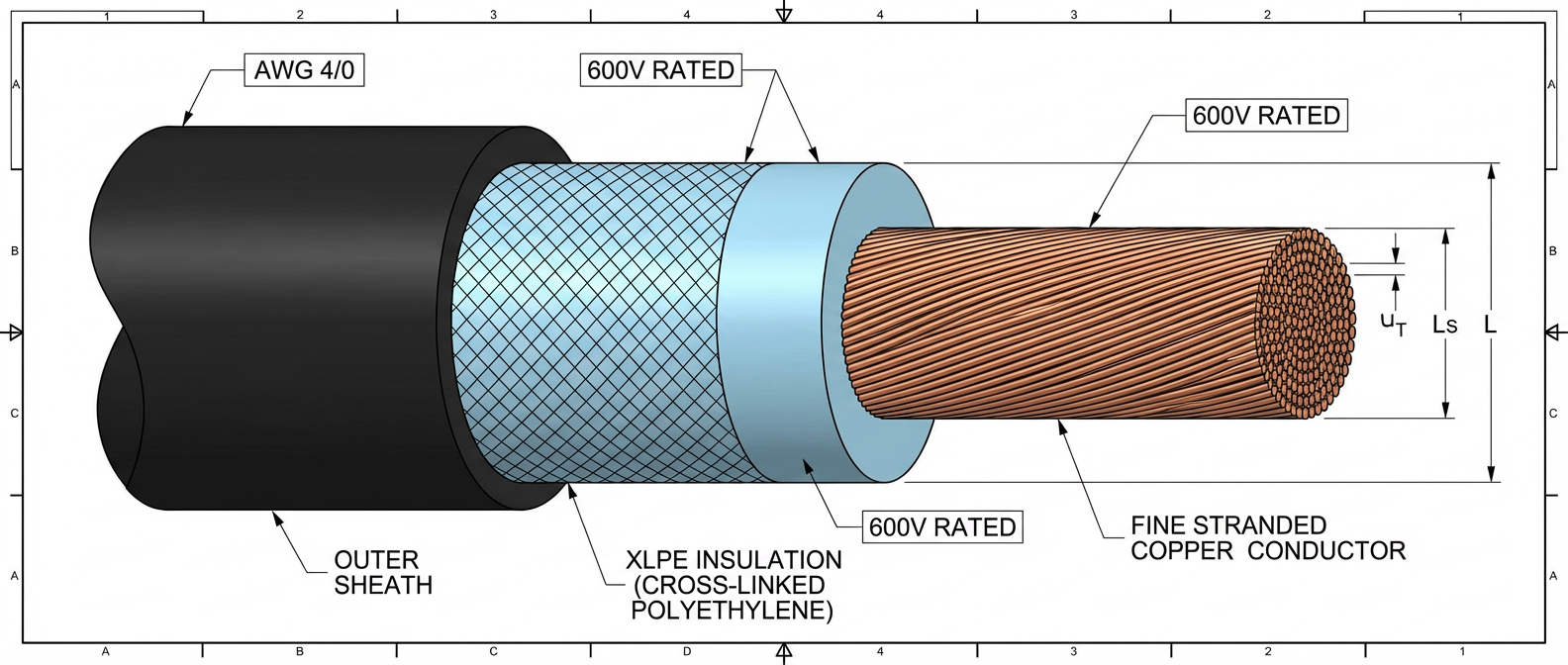
The selection of battery cables is a foundational aspect of designing safe, reliable, and efficient electrical systems,... Continue reading
Lithium-ion batteries are widely used in household devices such as smartphones, laptops, electric vehicles, and energy storage... Continue reading
Lithium-ion batteries (LIBs) have revolutionized modern energy storage systems due to their high energy and power densities,... Continue reading
Add comment