No products in the cart.
Return To Shop
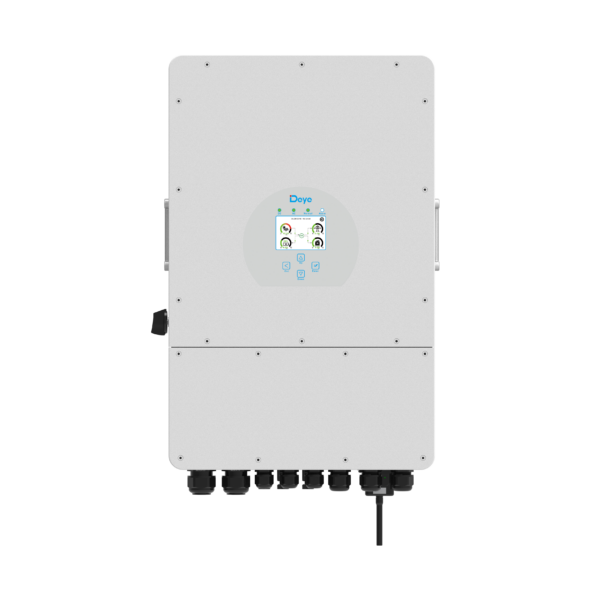
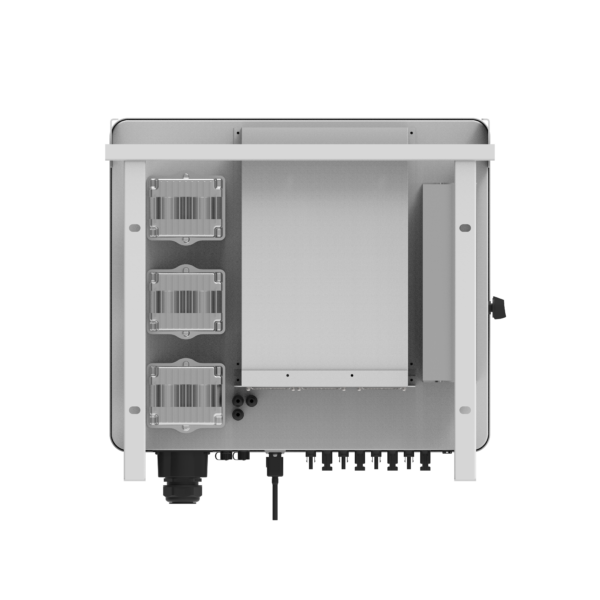
100kW power conversion
SUN-100K-PCSL01HP3
View product
R104,350.00
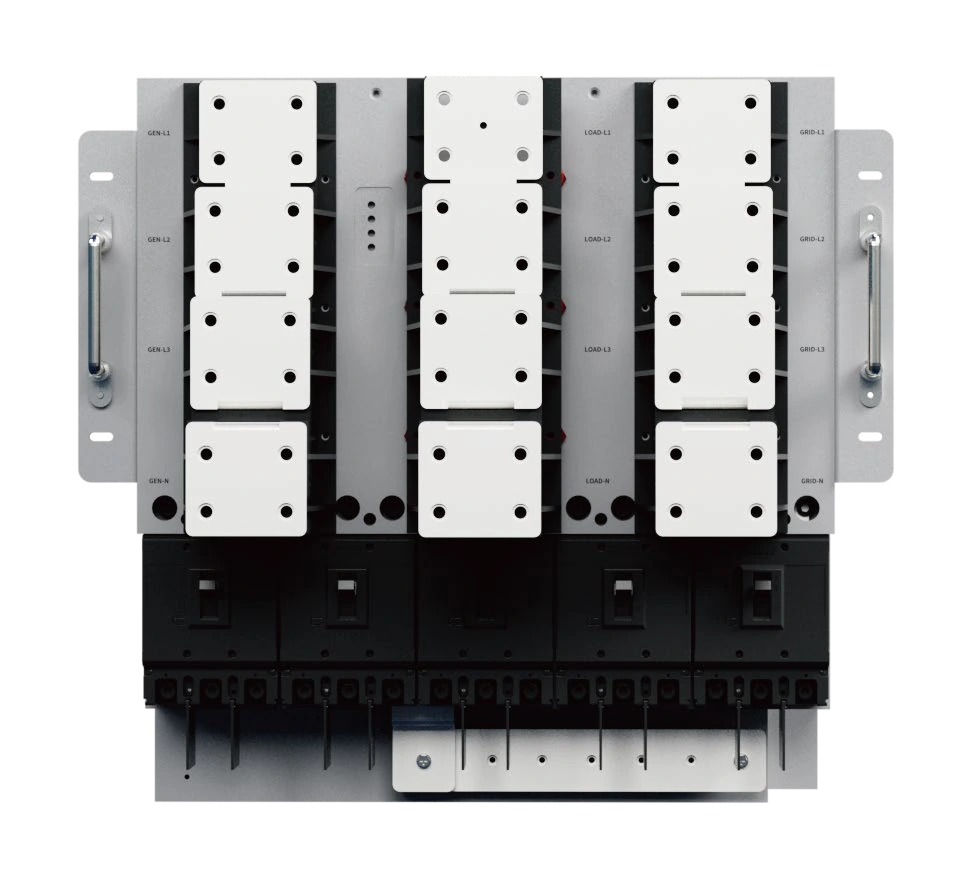
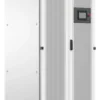
Deye SUN-STS500L is a 500kW static transfer switch for the manufacturer’s modular commercial ESS platform. The reference lists transfer in less than 10ms and three-phase 220/380V or 230/400V operation at 50/60Hz. Its task is managing the transfer path between supported sources and loads.
Deye SUN-STS500L is a 500kW static transfer switch for the manufacturer’s modular commercial ESS platform. The reference lists transfer in less than 10ms and three-phase 220/380V or 230/400V operation at 50/60Hz. Its task is managing the transfer path between supported sources and loads.
The STS works alongside the PCS, MPPT equipment and battery system. It neither stores energy nor replaces the power conversion stage. The brochure describes grid, load and generator paths; the project electrical design determines how those paths are used. The IP20 enclosure requires a suitable protected installation location.
The STS500L is the transfer component of the system, not a 500kW battery inverter. A quotation should identify the PCS modules and battery capacity separately. This distinction is useful when comparing system bills of materials and avoids confusing switching capacity with conversion power or stored energy.
Protection: IP20
Consider the enclosure rating together with the manufacturer’s environmental and mounting instructions. Cable entries, ventilation, service access and exposure at the intended position all form part of the installation design.
Switching time: Less than 10ms
This is the stated transfer performance of the equipment. The behaviour of the complete installation also depends on the source arrangement, protection and connected loads, so it belongs within an engineered continuity plan.
A static transfer switch serves a different function from the inverter or battery. It belongs to the power-transfer arrangement, helping the compatible system coordinate its supply and load paths according to the manufacturer’s design. It does not provide stored energy or perform the PV tracking function.
Selecting an STS starts with the system topology and the intended operating sequence. The required load capacity, grid and generator arrangement, PCS configuration and control interfaces should be considered together. Its rating should not be interpreted as the power of an included inverter.
Commercial installations often contain a mixture of essential and discretionary loads. Establish which circuits require support and how they behave during a supply change. Some equipment has requirements beyond a general backup description, so the complete system needs assessment against the actual load.
Transfer performance depends on the product specification and the commissioned architecture. This product page is a selection reference, not a declaration that every connected device will experience uninterrupted power. The project design should address switching behaviour, protection coordination and the operating limits of the other components.
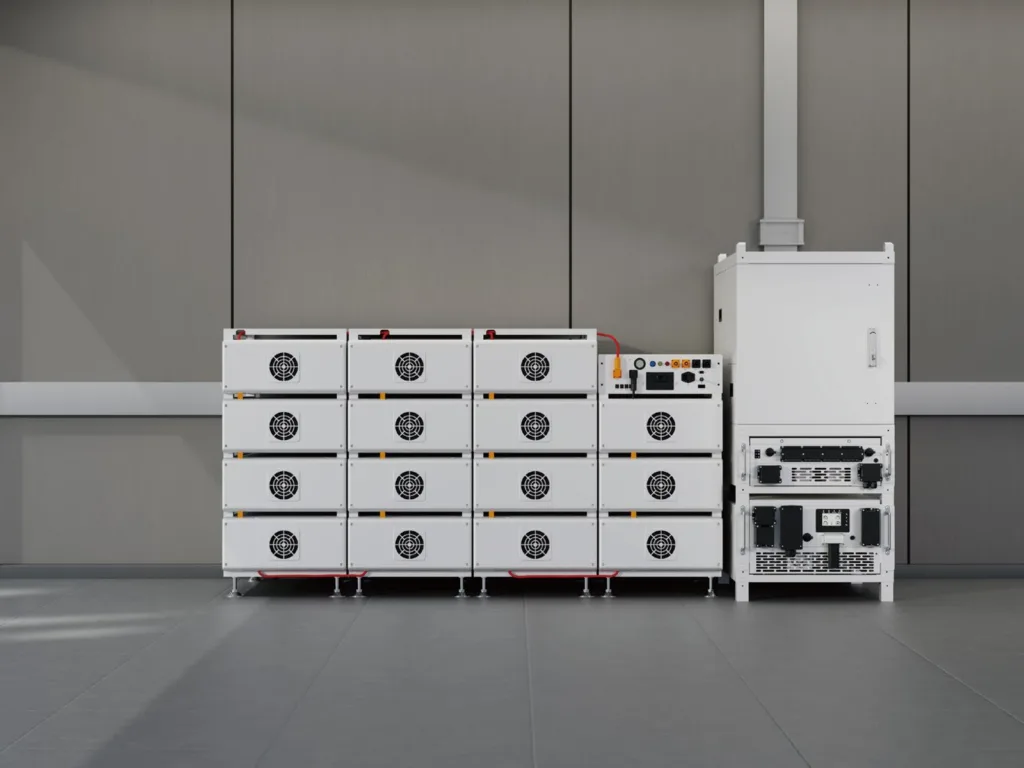
The Deye PCS provides conversion, the MPPT module provides solar tracking, and the STS provides transfer. The related listings below make those roles easier to compare and provide a direct route to the corresponding products. The manufacturer’s approved system documentation establishes their final combination.
A coordinated specification should identify the exact modules, battery bank, distribution arrangement and communication links. This is particularly important where a site already has solar or a generator, because existing equipment can change the required operating sequence and connection design.
Plan the location with suitable access, cable routes and environmental conditions. The installer should document the intended normal and backup operating states and verify them during commissioning. A clear equipment schedule helps distinguish the STS from the PCS and avoids confusion during later maintenance.
Retain the single-line diagram and current settings with the installation records. If loads or generation capacity change, review the transfer arrangement as part of the wider upgrade. Expanding storage alone does not establish that the existing switching and distribution equipment remains suitable.

Provide the specified transfer stage in a supported Deye commercial energy-storage design.
Assess the complete source, protection and load arrangement before setting the transfer strategy.
Coordinate the STS with the chosen PCS, battery and PV equipment through a project-specific design.
| Manufacturer model | SUN-STS500L |
|---|---|
| Rated switching power | 500kW |
| AC connection | Three-phase, 220/380V or 230/400V |
| Switching time | Less than 10ms |
| Frequency | 50/60Hz |
| Protection | IP20 |
| Equipment scope | STS module; PCS, MPPT and batteries supplied separately |
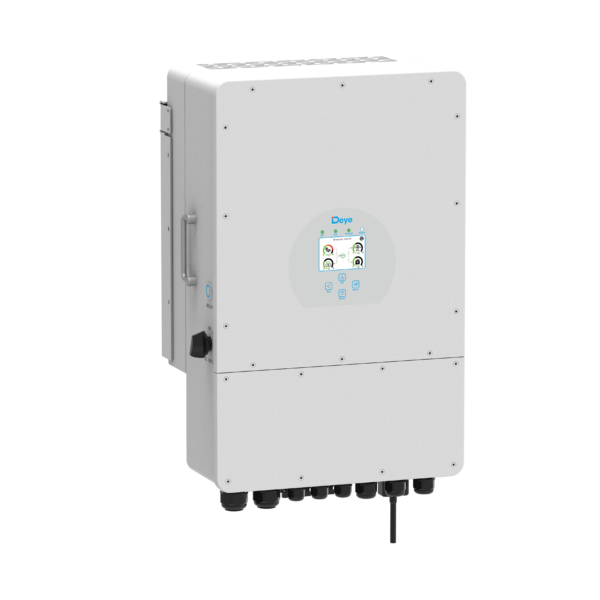
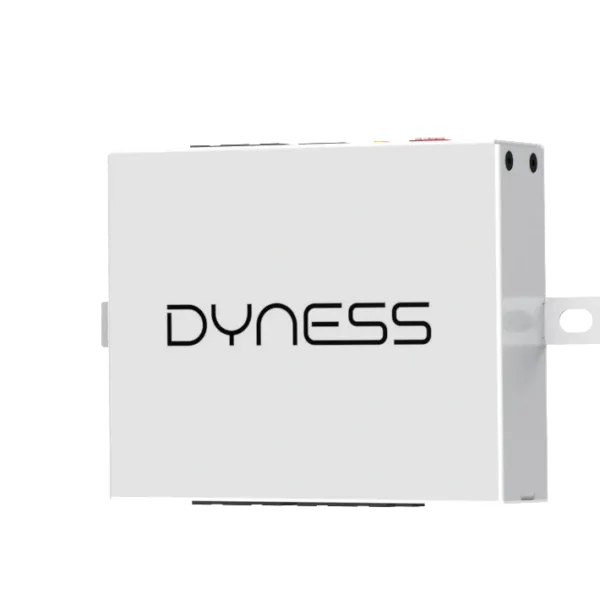
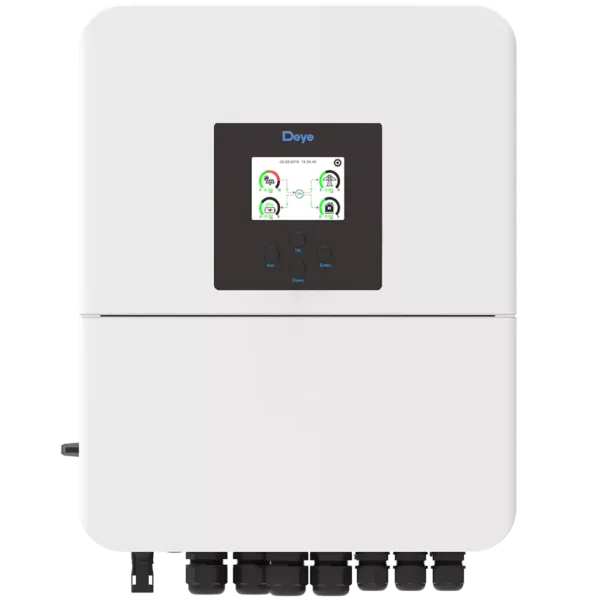
These products perform different roles in the modular Deye range. The 100kW and 125kW PCS listings are conversion options; the MPPT and STS provide PV-input and transfer functions. Final model and revision compatibility must be confirmed for the engineered system.
SUN-100K-PCSL01HP3
View productSUN-125K-PCSL01HP3
View product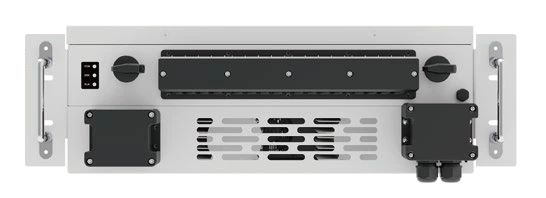
SUN-MPPT-L01-EU-AM8
View productThis page is for SUN-STS500L. Use that complete reference when checking the host equipment, connections and documented operating limits; a similar product name does not establish that two versions have the same function.
This listing covers SUN-STS500L and its specified function. The PCS, MPPT, STS and battery equipment have separate roles; use the recommended-product cards to explore those components, then confirm the complete configuration for the project.
Send the SUN-STS500L reference together with your existing equipment models, intended application and load profile, required operating period and planned solar or storage capacity. Those details make the discussion more useful than a headline power or capacity figure alone.
Use the applicable manufacturer installation or user manual for the exact model and hardware revision. The specification document in the download section supports product selection; a shared family document may cover several variants. Keep the selected model column and the equipment nameplate aligned when preparing the installation.
Bring together the right power, storage and operating strategy for your project. Share the SUN-STS500L reference and your requirements so our team can help you evaluate a suitable configuration.
Discuss your project69 in stock
4 in stock

R37,350.00

R411,150.00