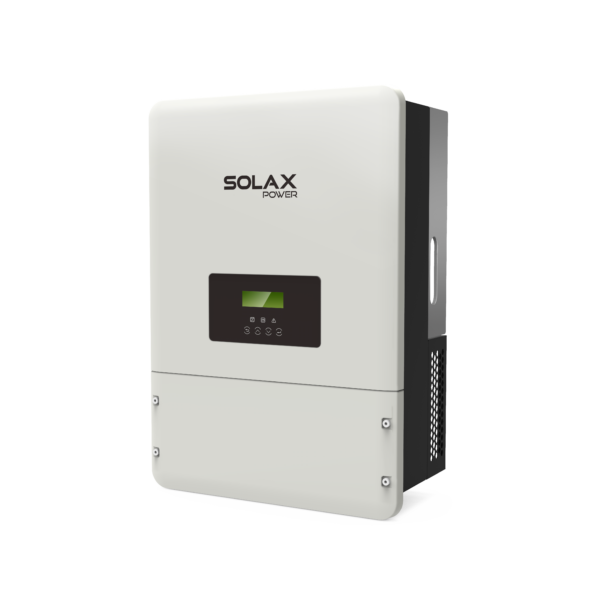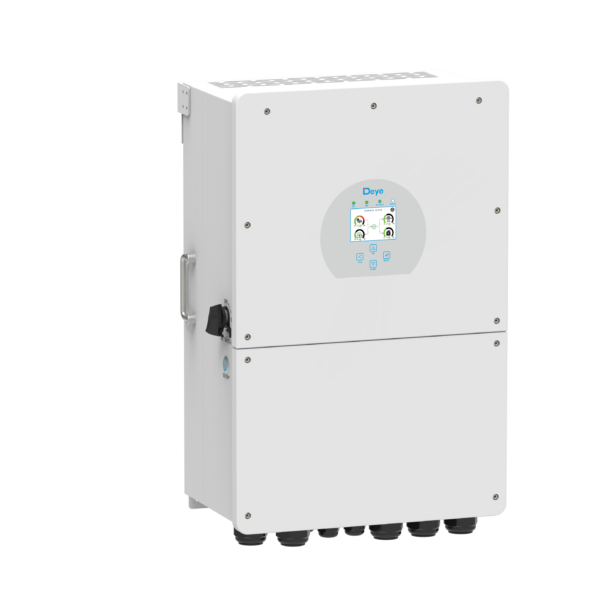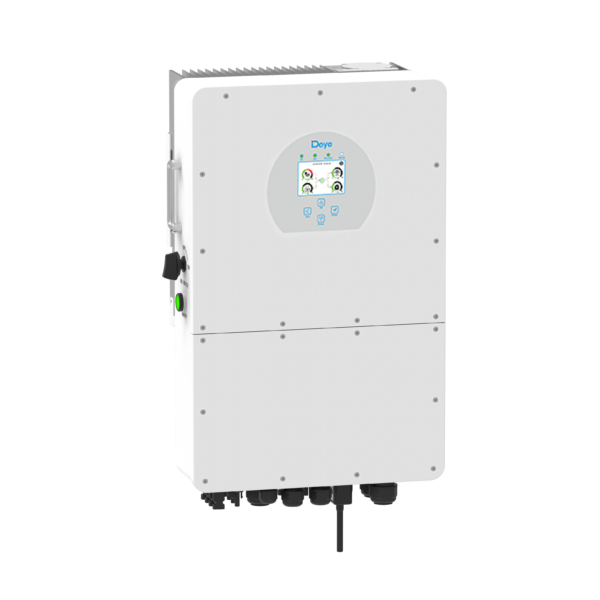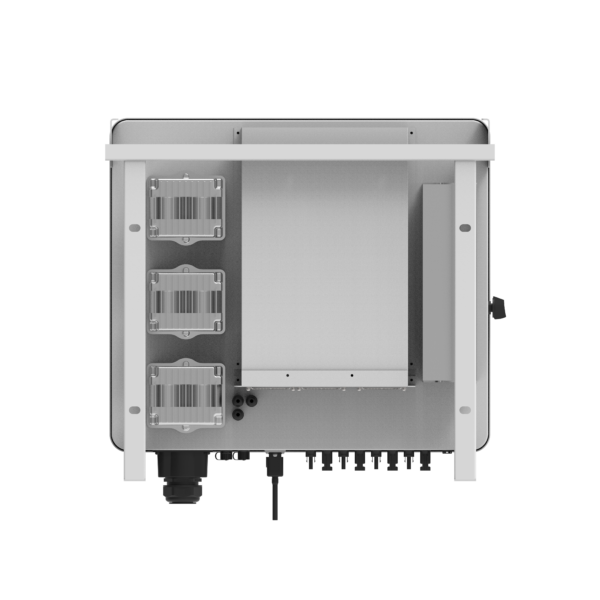



Luxpower SNA5000 5kW Off-Grid Inverter
R9,950.00
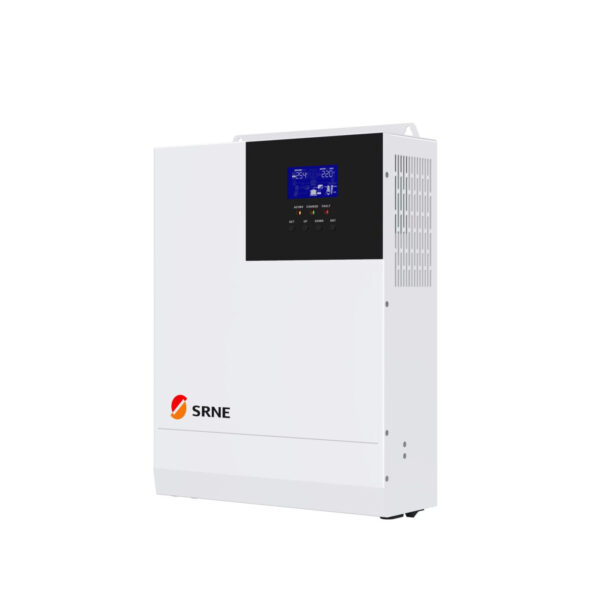
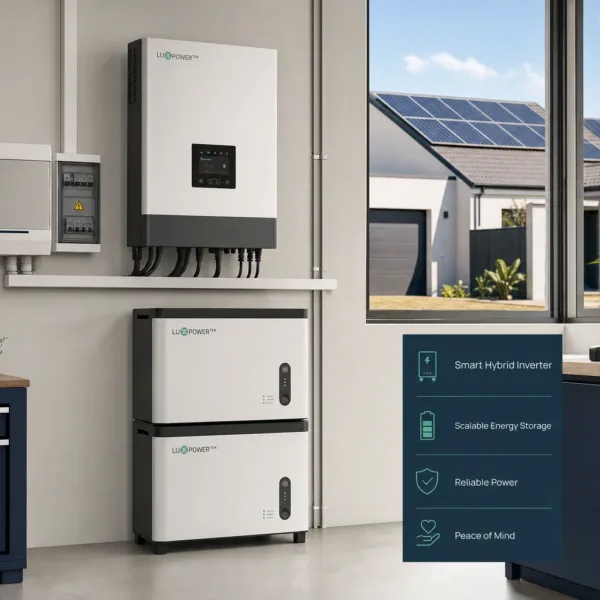
Power essential home or small-business loads with the Luxpower SNA5000 5kW eco-hybrid off-grid inverter. Two independent MPPTs, an 8kW PV array allowance and 48V battery support. Professional system sizing is recommended.
Luxpower SNA5000: practical 5kW solar and backup power
The Luxpower SNA5000 is a single-phase 5kW eco-hybrid off-grid inverter designed to coordinate solar panels, a compatible 48V battery bank, utility power and a generator-supported supply. It is a practical option for South African homes, home offices and small workplaces that need a planned essential-load system rather than an oversized or unnecessarily complex installation.
Its job is not simply to convert DC power to AC. The inverter manages when available solar energy serves the loads, when surplus energy charges the battery, and when the battery or an alternative AC source supports the system. The result depends on correct PV string design, battery compatibility, protection equipment and programming, so the inverter should be selected as part of a complete system.
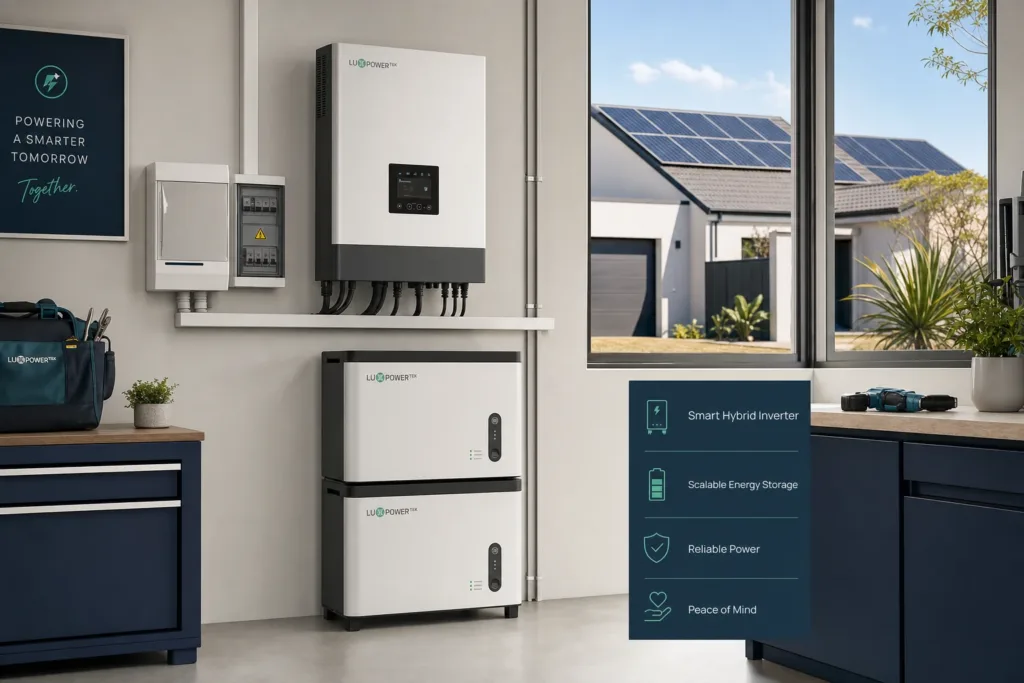
Why the SNA5000 is a strong fit for essential loads
A 5kW output class suits many carefully selected backup circuits, such as lighting, internet equipment, entertainment, refrigeration, computers and other moderate loads. It may also support selected pumps or appliances when their running demand and starting current are within the system limits. It should not be assumed that every circuit in a property can run at the same time.
- 5,000W rated AC output: sized for a planned group of essential residential or small-business loads.
- Two independent MPPT inputs: useful for two separately designed PV strings, including roof sections with different orientations.
- 48V-class battery system: compatible with supported lithium-ion or lead-acid batteries within the stated voltage range.
- Pure sine-wave output: suitable for normal household and office equipment when the installation is correctly designed.
- Fast changeover: the linked datasheet states less than 15ms in single-unit operation and less than 30ms in parallel operation.
- Monitoring interfaces: LCD and LED indication with RS485, Wi-Fi and CAN communication support.
How the eco-hybrid energy flow works
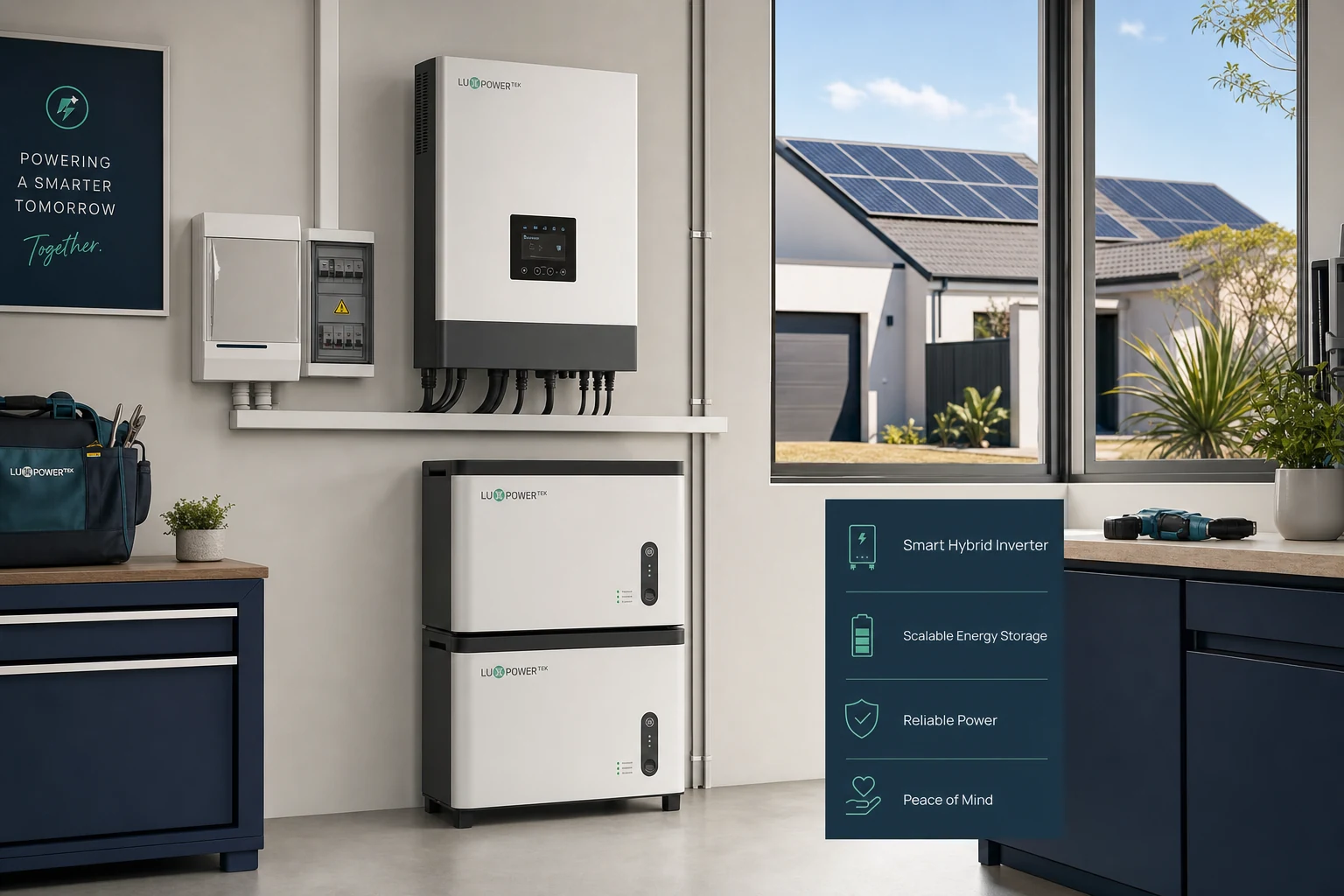
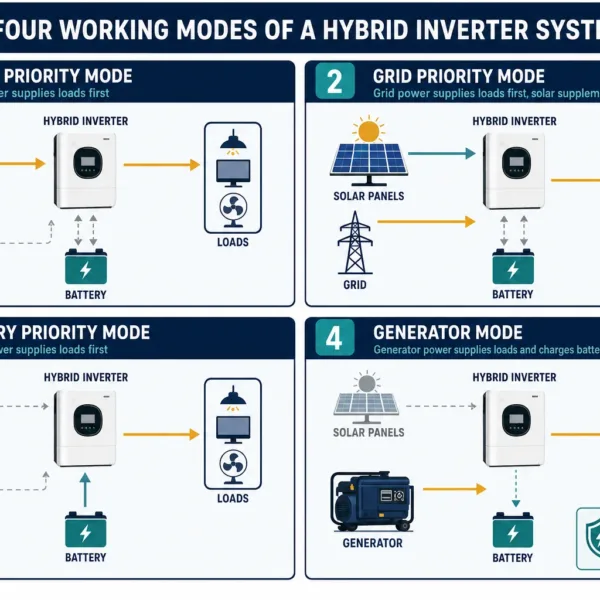
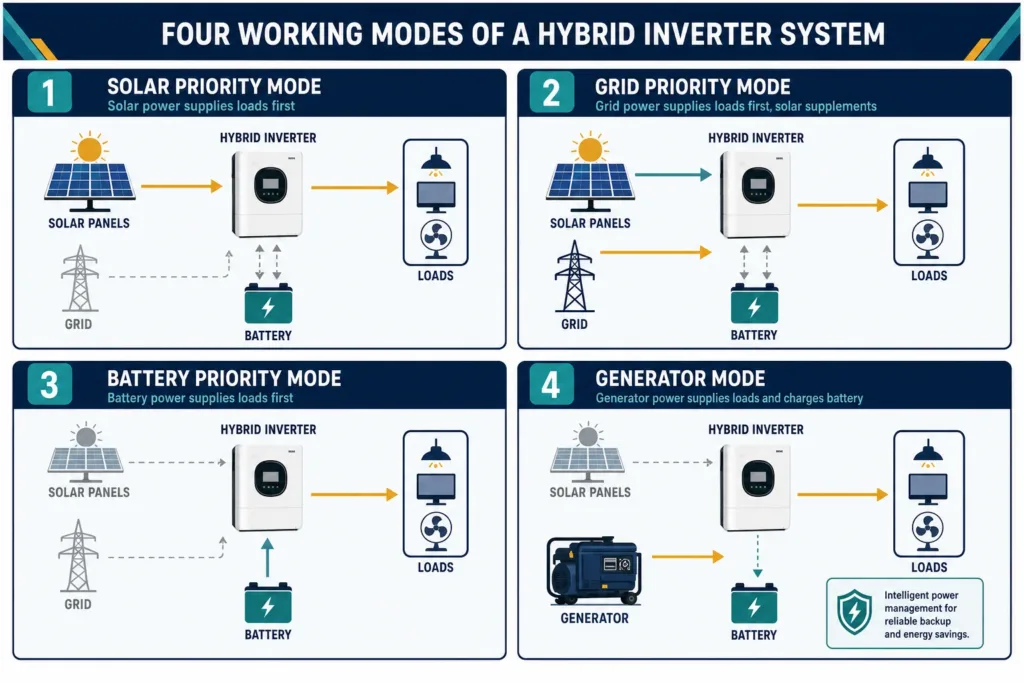
The SNA platform supports off-grid and hybrid operating strategies. Depending on the approved design and configuration, solar energy can be prioritised for the loads, the battery can be charged for later use, and utility or generator power can support the system when solar and stored energy are insufficient. Available modes should be configured by the installer to match the owner’s goals, tariff structure and battery requirements.
The operating-mode illustration below is a functional overview, not an installation wiring diagram. Cable sizes, breakers, isolators, surge protection, earthing, changeover arrangements and neutral treatment must be specified for the actual site by a qualified person.
Dual MPPT solar input explained
Two independent MPPT trackers let the inverter optimise two separately designed solar strings. This is especially useful when panels face different directions or when two roof areas have different sun profiles. Each string must still remain within the permitted voltage and current limits in all expected temperatures.
For the SNA5000 column in the linked SNA 3-6K single-phase datasheet, the maximum PV array power is 8,000W, split as 4,000W per MPPT. The rated PV input voltage is 320V, the PV operating range is 100-480V and the MPPT tracking range is 120-385V. Maximum input current is 17A per MPPT and maximum short-circuit current is 25A per MPPT. These figures are design limits, not a suggested string layout.
Battery compatibility and usable backup time
The inverter uses a 48V-class battery connection with a stated operating range of 38.4-60V. The datasheet supports lithium-ion and lead-acid battery types and lists a maximum charge/discharge current of 110A for the SNA5000. A compatible lithium battery should have the correct communication protocol, current capability and manufacturer-approved cabling.
Battery energy and inverter power answer different questions. The inverter’s 5kW rating describes how much load it can supply within its operating limits; the battery’s kWh capacity determines approximately how long those loads can run. Actual runtime changes with state of charge, battery discharge limits, appliance cycling, losses and the amount of solar available during the outage.
Parallel expansion and generator integration
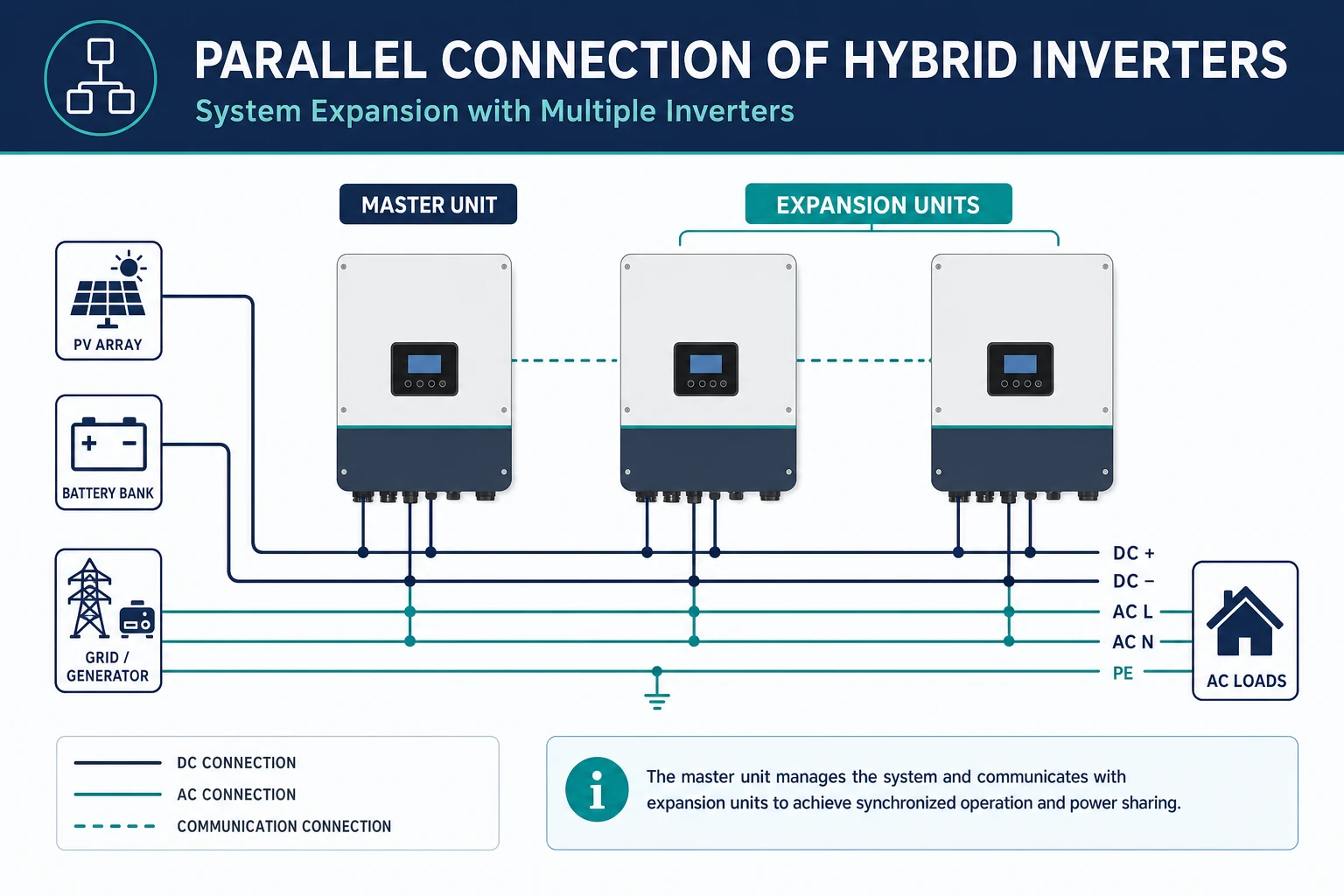
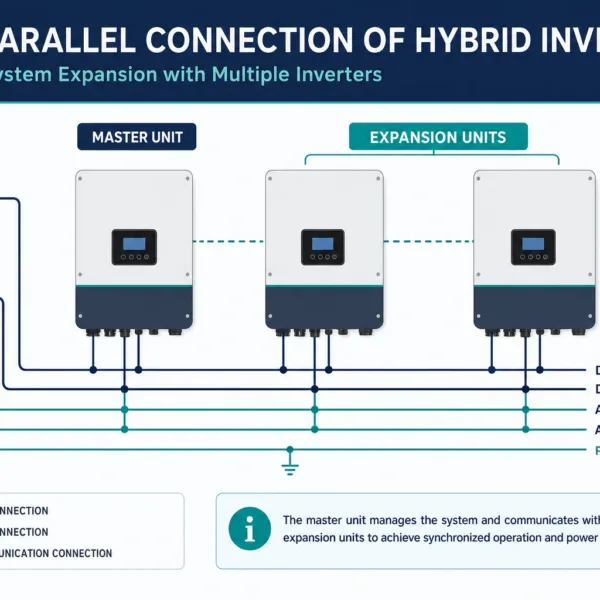
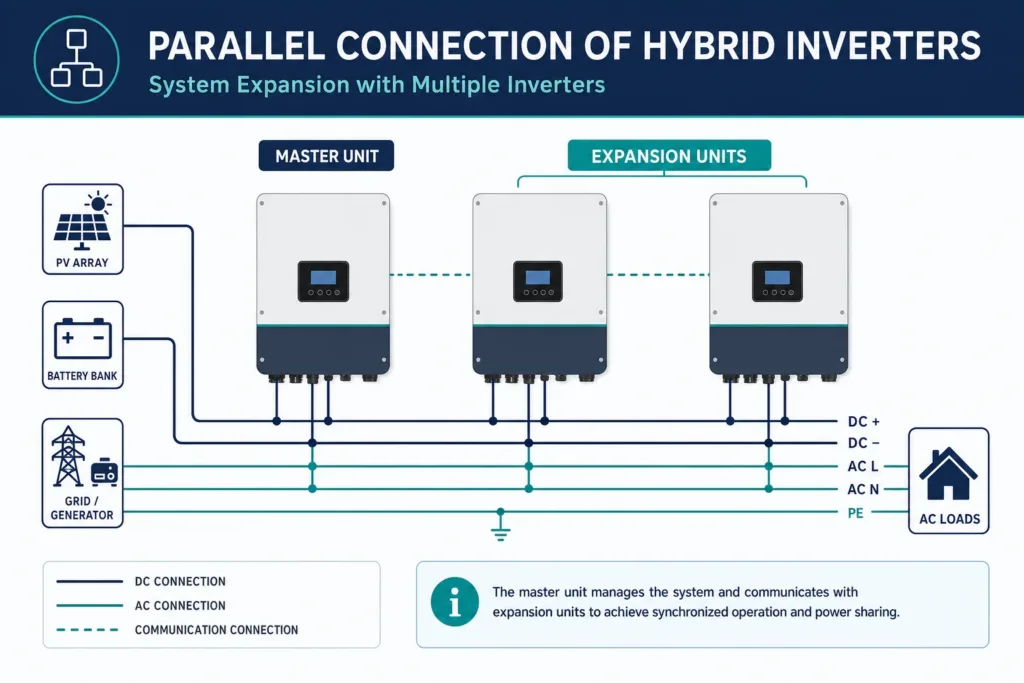
Parallel operation allows a suitably engineered system to expand beyond one inverter. Units must be the approved matching model and firmware, with the required communication, AC and DC protection arrangements. The current product listing records a maximum of 10 parallel units; confirm the permitted quantity and topology for the exact supplied unit before final design.
The illustration is a simplified concept only. It helps explain master/expansion communication and shared system resources, but it must not be used as a field wiring drawing. A project-specific single-line diagram should be prepared for any parallel installation.
Monitoring and day-to-day visibility
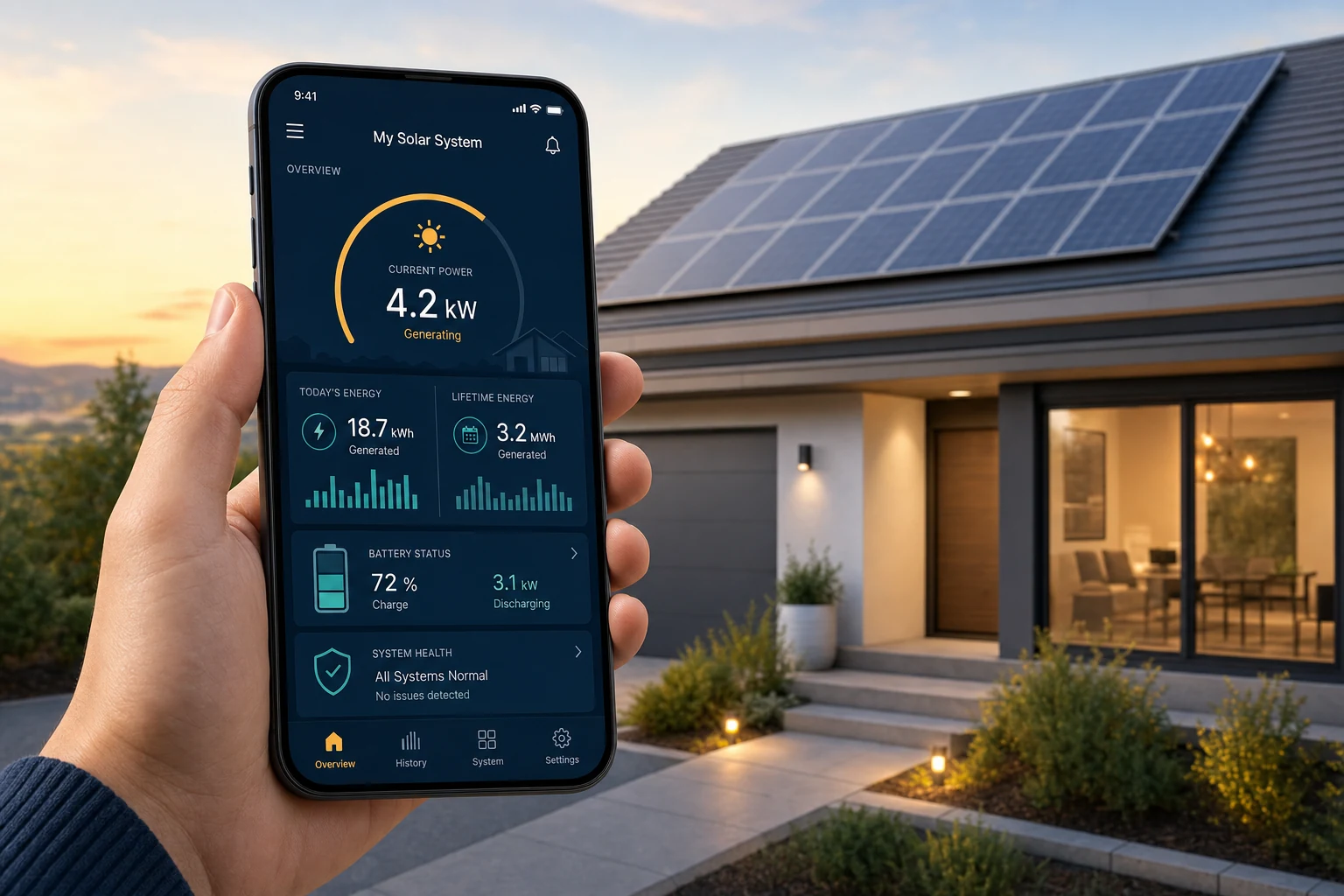
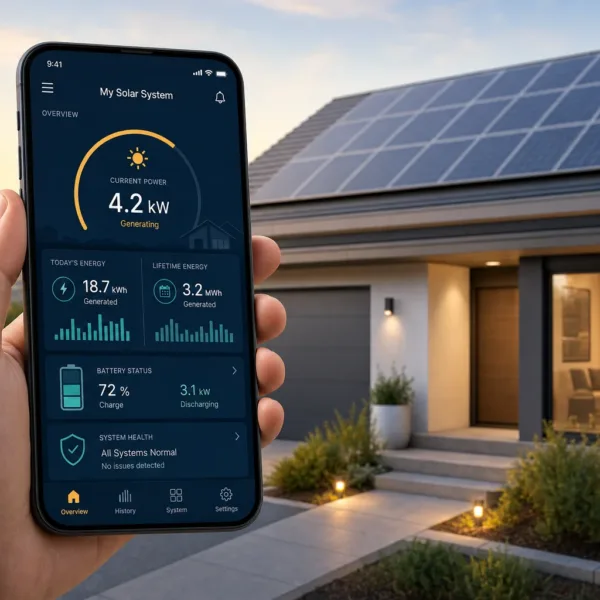
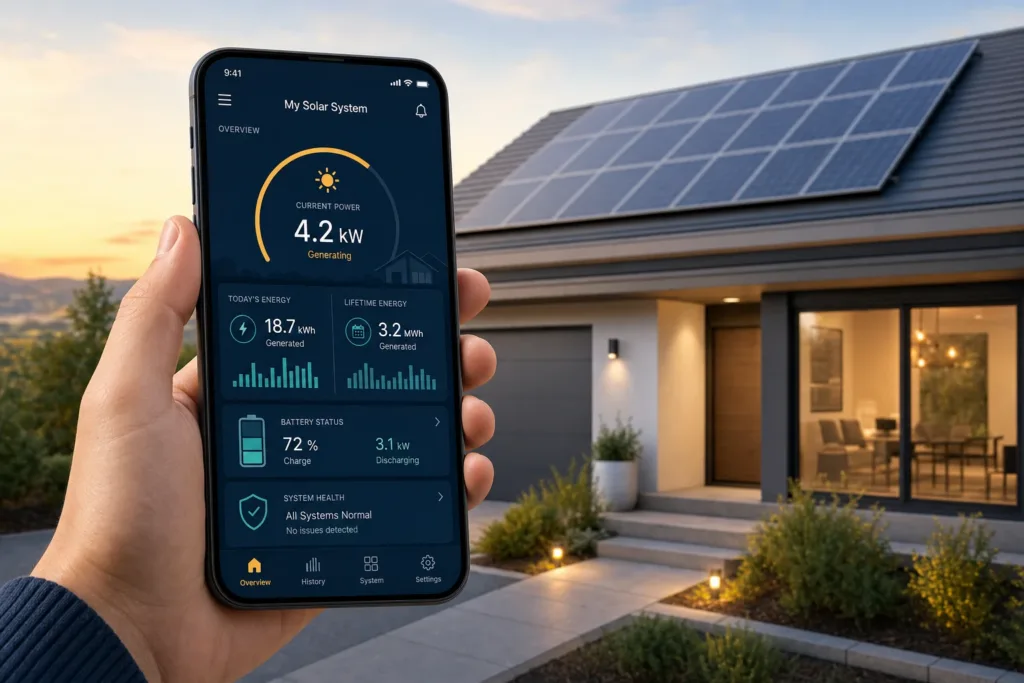
Monitoring can help owners understand live solar production, battery state, load demand and operating status. The SNA platform lists LCD and LED indication together with RS485, Wi-Fi and CAN interfaces. The exact dongle, portal, app access and remote-control functions supplied with the inverter should be confirmed at quotation stage.
The mobile-dashboard image is an illustrative monitoring concept and does not reproduce the LuxPowerView application interface or promise specific live readings.
Technical specifications
The table below keeps the product specifications inside the main description so buyers can review the key design limits in one place. Values are based on the SNA5000 column of the SNA 3-6K single-phase datasheet linked on this page, together with the current product listing. Manufacturer revisions can change, so the label and datasheet supplied with the unit take precedence.
| Model and output | |
|---|---|
| Model | Luxpower SNA5000 / SNA 5000W series |
| Product type | Single-phase eco-hybrid off-grid inverter |
| Rated AC / UPS output power | 5,000W |
| Rated output voltage and frequency | 230V; 50/60Hz |
| Rated output current | 22A |
| Output waveform | Pure sine wave |
| Surge capability | 2 x rated power for less than 2 seconds |
| Switching time | Less than 15ms single; less than 30ms parallel |
| Solar input | |
| Maximum PV array power | 8,000W total (4,000W / 4,000W) |
| Independent MPPT inputs | 2 |
| Rated PV input voltage | 320V DC |
| PV input voltage range | 100-480V DC |
| MPPT voltage range | 120-385V DC |
| Maximum PV input current | 17A / 17A |
| Maximum PV short-circuit current | 25A / 25A |
| Battery | |
| Compatible battery type | Lithium-ion / lead-acid |
| Rated battery voltage | 48V |
| Battery voltage range | 38.4-60V |
| Maximum charge/discharge current | 110A |
| Maximum charge/discharge power | 5,000W |
| Physical and environmental | |
| Dimensions (W x H x D) | 303 x 505 x 135mm |
| Weight | 14.5kg |
| Ingress protection | IP20 – indoor, protected installation location |
| Operating temperature | 0-50 degrees C |
| Relative humidity | 5%-95% |
| Display and communications | LCD + LED; RS485 / Wi-Fi / CAN |
| Cooling | Fan cooling |
| Warranty shown in linked datasheet | 2 years; confirm current local warranty terms before purchase |
Plan the system before ordering
Start with a load schedule rather than a property-size estimate. Record the appliances that must operate during an outage, their normal running power, starting demand and expected operating hours. Then match the inverter to a battery that can provide both the required energy and the required discharge current.
- Confirm the exact model label and matching datasheet for the supplied unit.
- Check the battery model, BMS communication protocol and permitted continuous current.
- Verify every PV string against the MPPT voltage, maximum voltage, operating-current and short-circuit-current limits.
- Identify which circuits will be backed up and which high-demand loads will remain outside the essential-load board.
- Confirm the monitoring accessory, generator interface and parallel kit required for the intended design.
- Use appropriately rated isolation, over-current protection, surge protection, earthing and cabling.
Frequently asked questions
Is the SNA5000 a high-voltage battery inverter?
No. The battery side is a 48V-class system with a stated 38.4-60V operating range. The higher voltage figures on the datasheet refer to the solar PV input, not the battery connection.
Can it run an entire home?
It depends on simultaneous load and motor-starting demand. A 5kW inverter can support a useful group of essential circuits, but large heating elements, multiple pumps, air conditioning and other high-demand appliances may exceed the available power when used together.
Does a larger battery increase the inverter’s power?
No. More battery capacity can extend runtime, but the inverter remains limited by its rated output and the battery remains limited by its own discharge capability. Both power and energy must be checked.
Are the Wi-Fi or GPRS accessories included?
Communication support is listed for the platform, but supplied accessories can vary by package and stock batch. Confirm the included monitoring hardware with Solar Deity before ordering.
Can units be connected in parallel later?
Parallel expansion is supported when matching equipment and approved accessories are used. Treat it as a planned system upgrade: battery capacity, busbars, protection, communications, firmware and AC distribution all need to be reviewed together.
Contact Solar Deity with your essential-load list, proposed solar-panel configuration and preferred battery model. We can help check whether the SNA5000 is appropriate before you order.