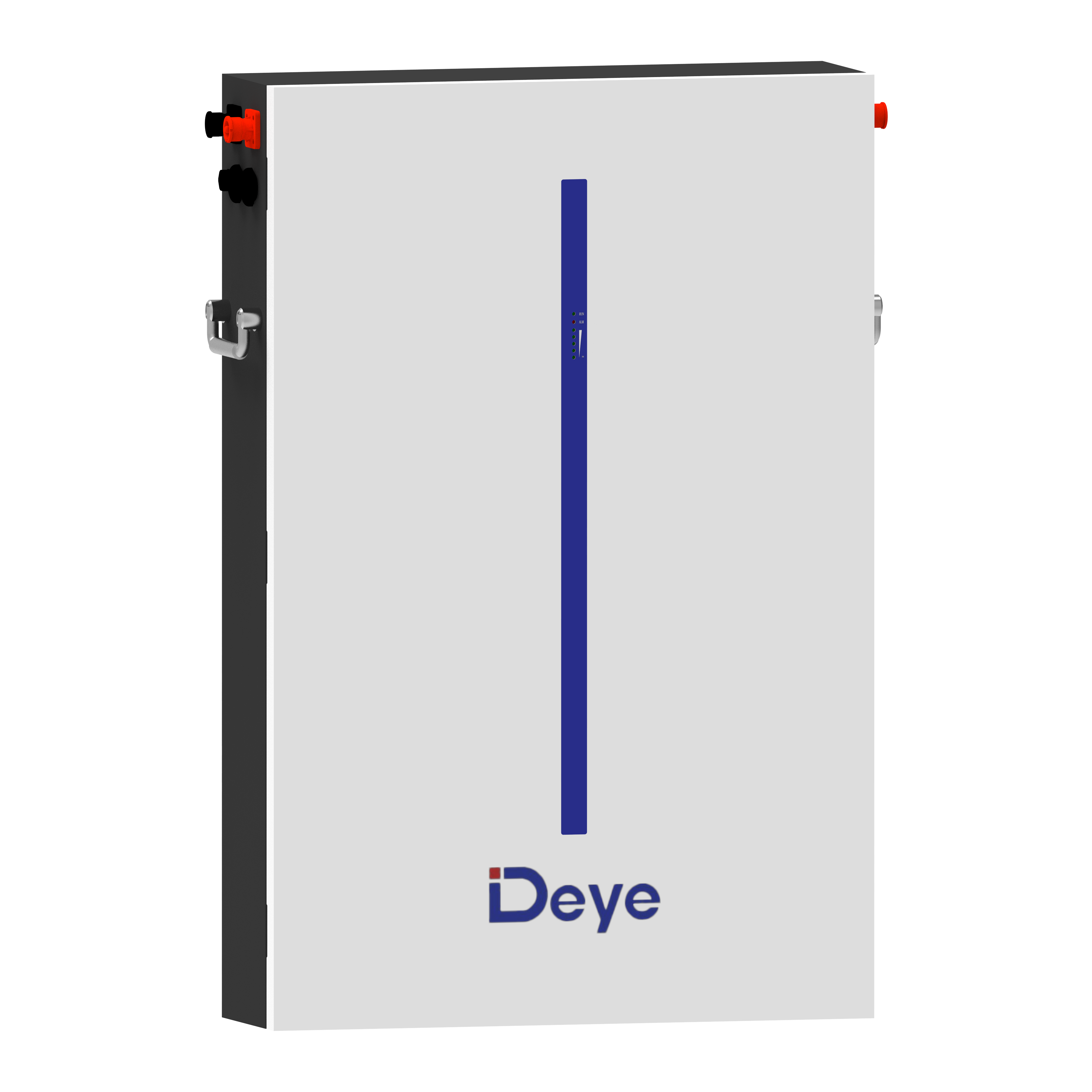

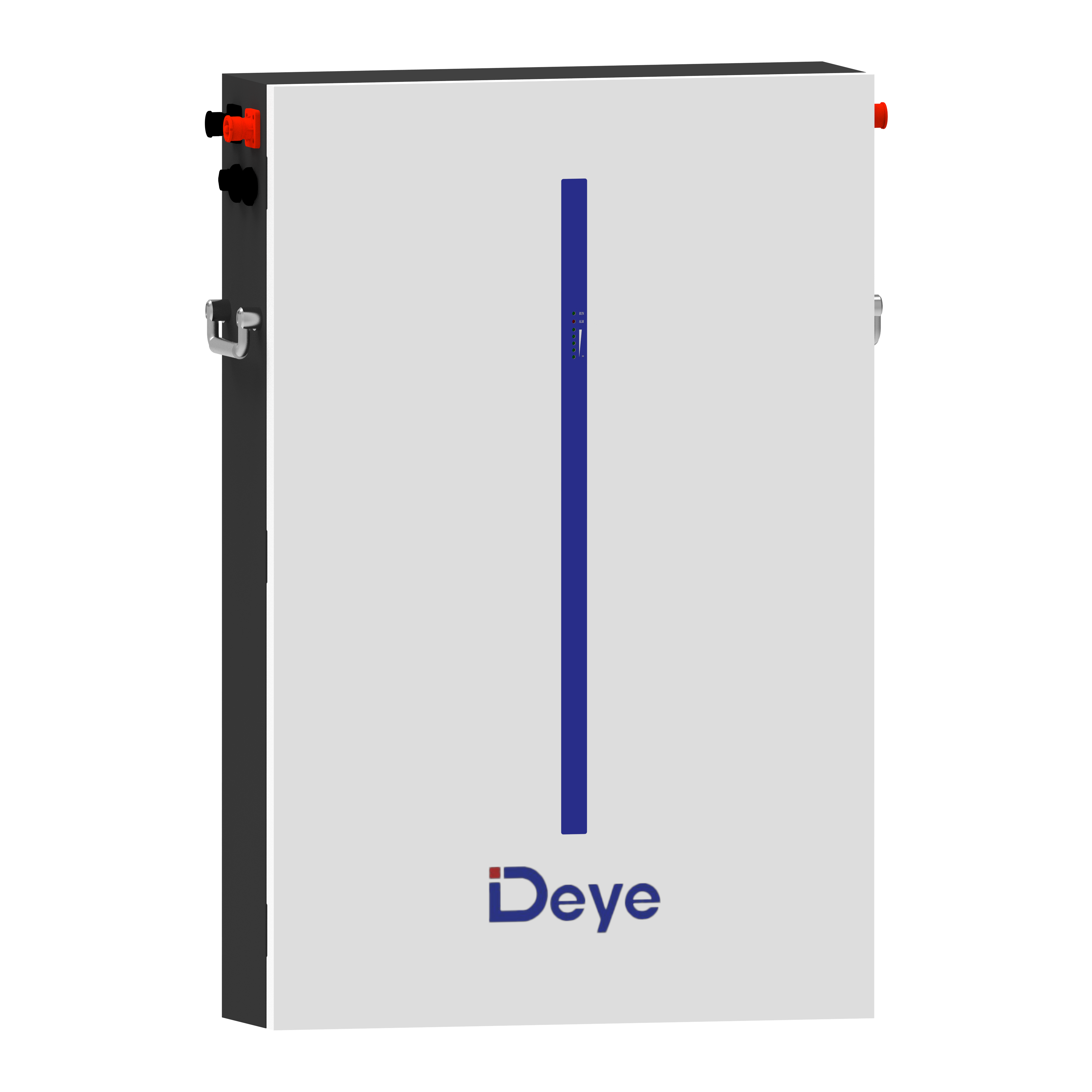
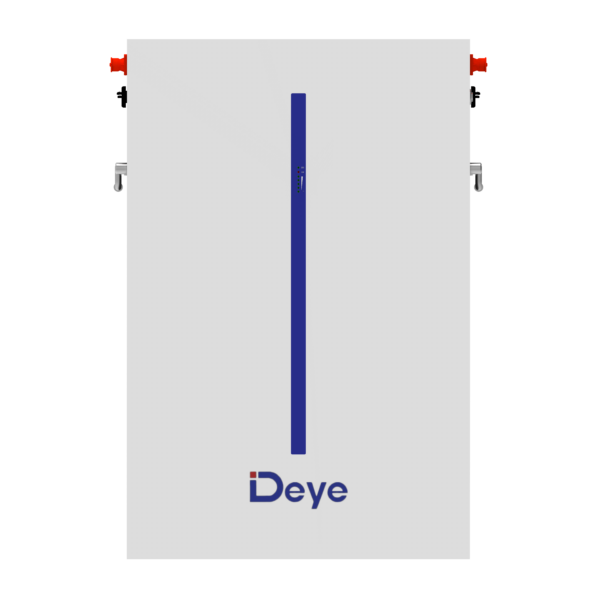


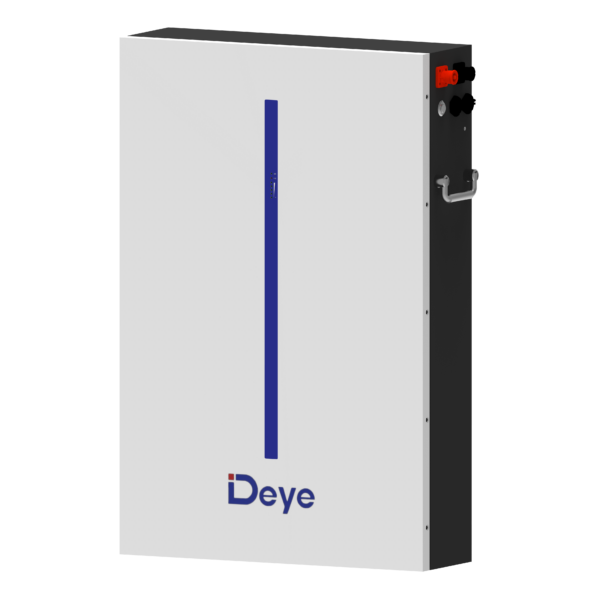
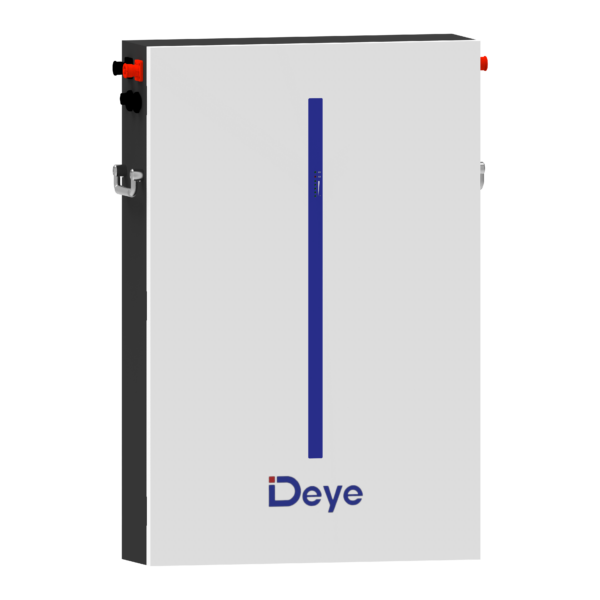
Deye RW-M6.1 6.14kWh 51.2V LiFePO4 Battery
R34,650.00
Explore Deye RW-M6.1: 120Ah, 6.14kWh nominal, 5.53kWh usable reference, IP65 enclosure and wall or floor mounting. View model-specific specifications.
Deye RW-M6.1 battery storage for a matched solar system
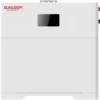
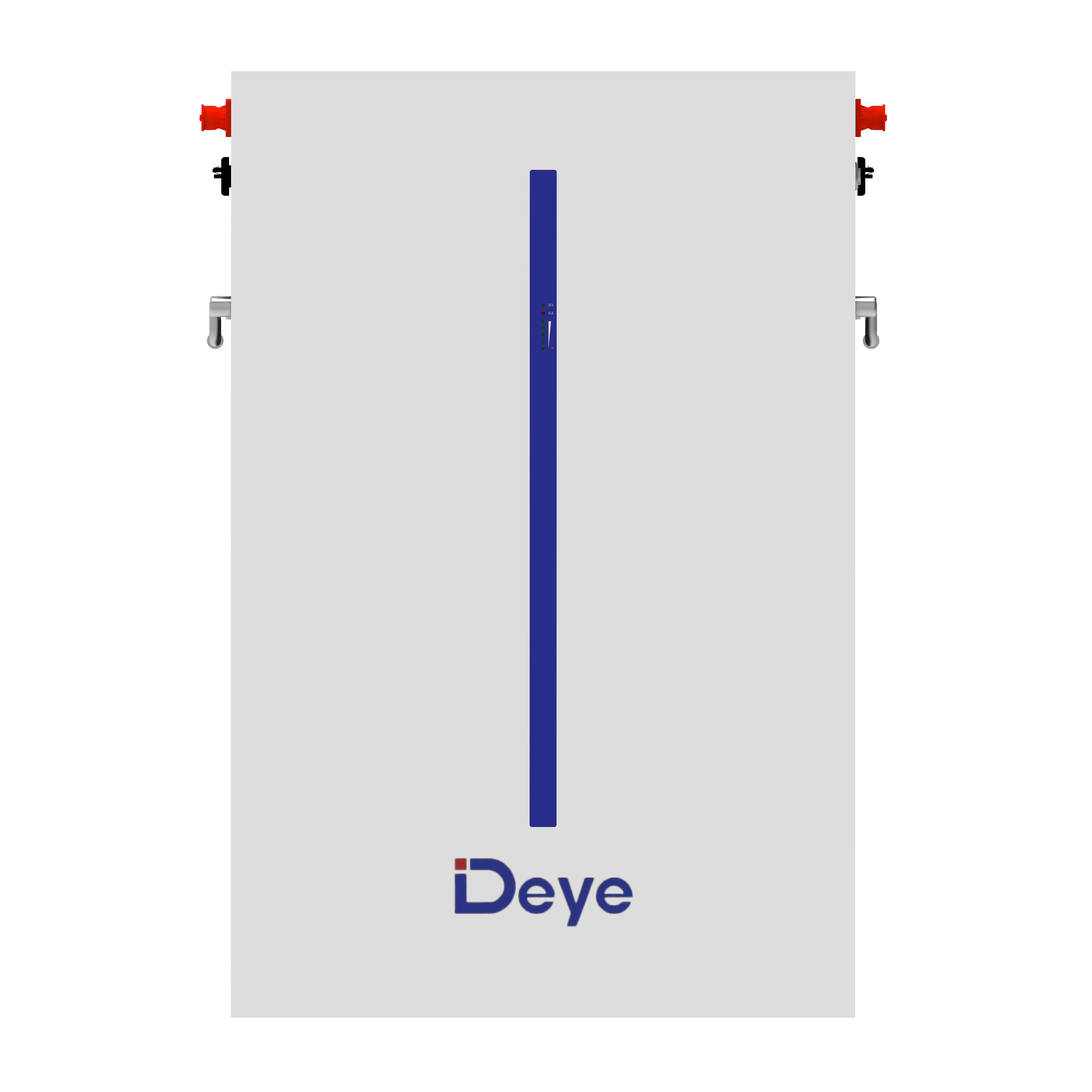
The Deye RW-M6.1 is a lithium iron phosphate battery with 6.14kWh nominal energy storage, a nominal voltage of 51.2V and a rated capacity of 120Ah. Available from Solar Deity in South Africa, it is a low-voltage battery option for a compatible inverter and a properly designed installation.
Understand the energy available for backup
Use the nominal energy rating to compare storage capacity, then account for the reserve you want to keep and the losses between the battery and your appliances. Stored energy does not determine the maximum load on its own: inverter output and permitted battery discharge current also matter.
For a useful assessment, list the essential circuits, their running demand and how long they must operate. Include starting demand from equipment such as pumps. This helps establish whether one battery meets the requirement or an approved larger system is needed.
Plan the mounting location
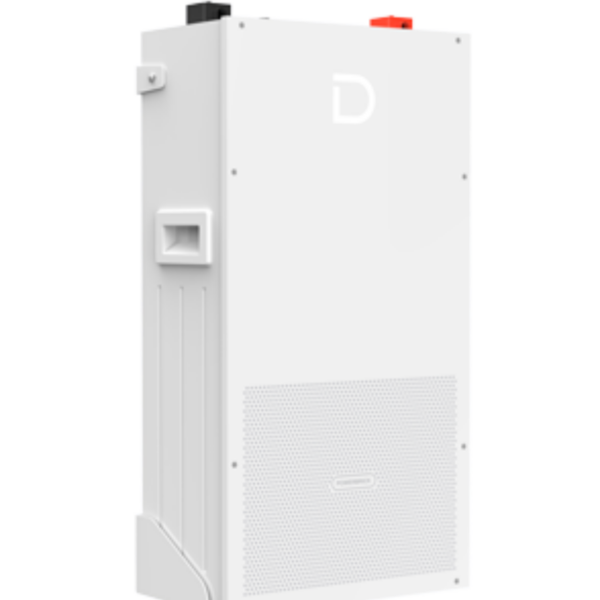
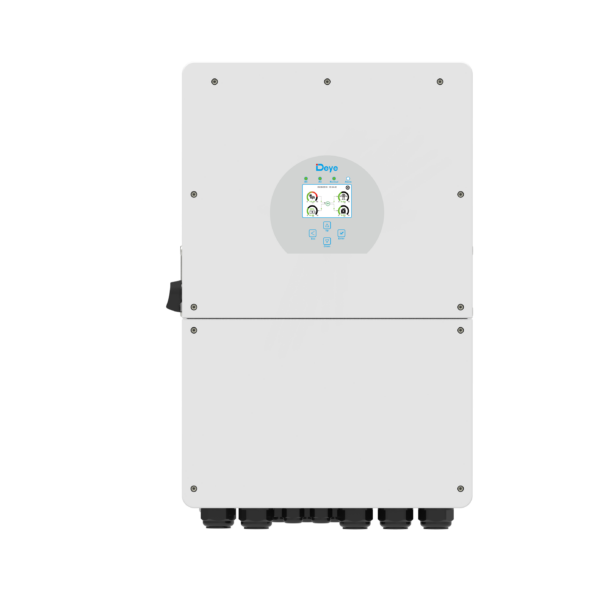
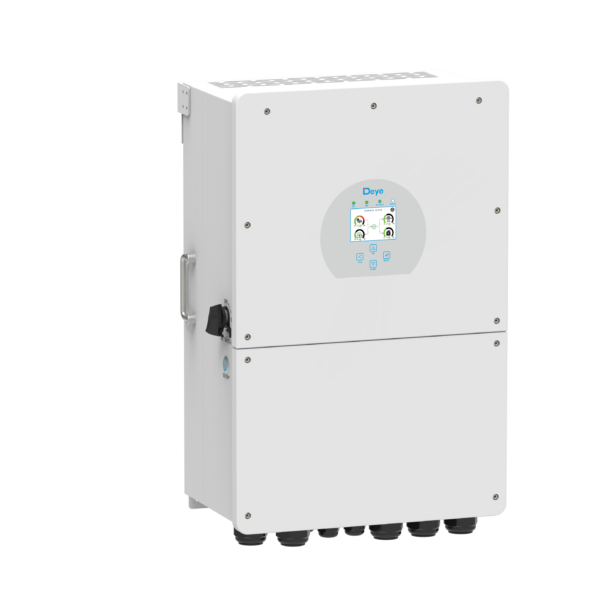
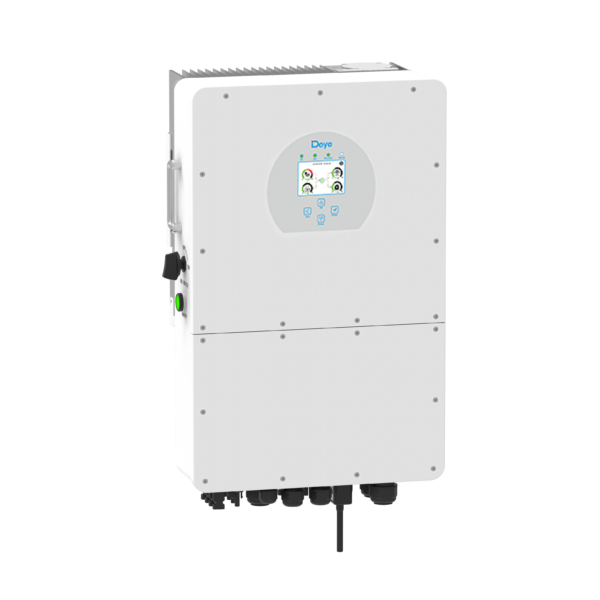
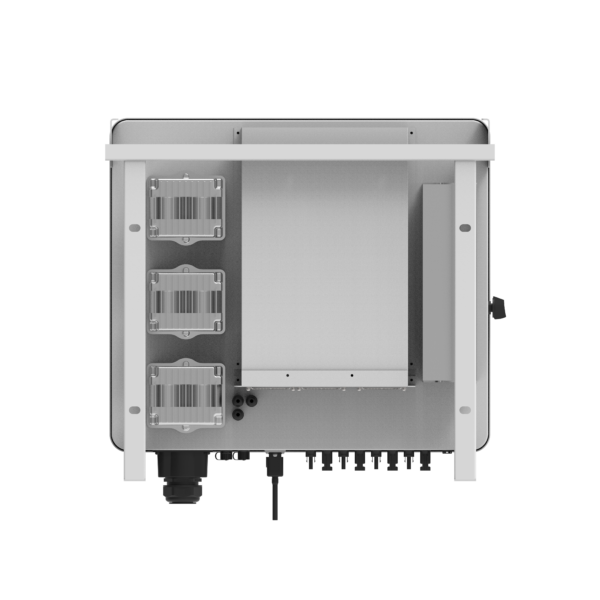
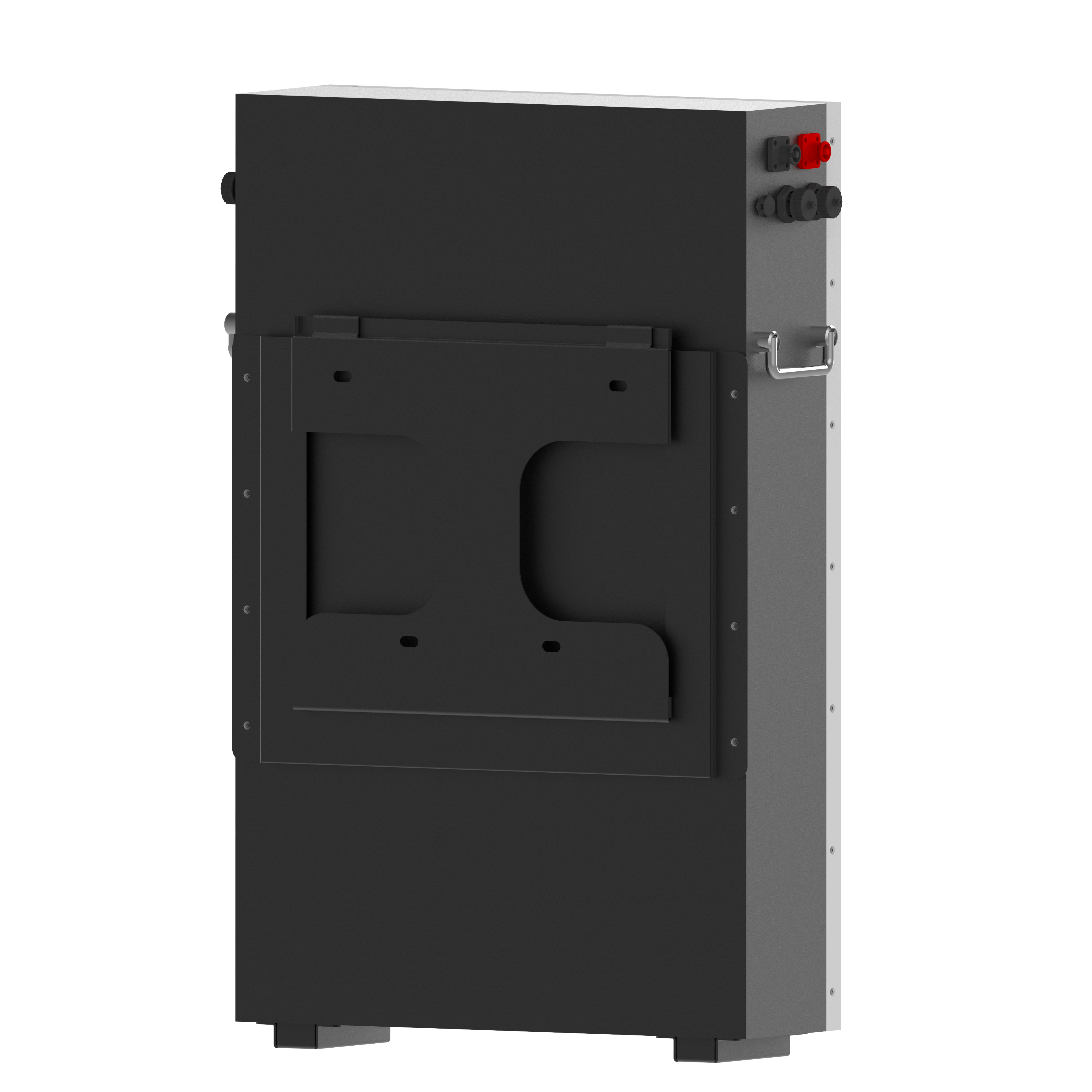
The RW-M6.1 has a flat, wall-mounted design and an IP65 enclosure. The enclosure rating does not replace the manufacturer’s installation instructions. Ask your installer to check the location, mounting support, access and environmental conditions before the equipment arrives.
Confirm which mounting accessories, power cables and communication connections are included in your quotation. Planning these items together can prevent a battery purchase from arriving without the parts needed for the agreed installation.
Check compatibility before expanding
Provide the exact inverter model and any existing battery models when requesting advice. Matching the Deye brand alone is not enough to confirm compatibility. A low-voltage module must be used with an approved battery connection and the correct communication configuration.
For expansion, have the full arrangement reviewed against the documentation for the supplied version. Do not assume that the RW-M6.1 and a similarly named model with a different suffix have identical requirements.
Questions before purchase
Does 6.14kWh mean it supplies 6.14kW?
No. The first figure describes stored energy. The supported load depends on both the battery and inverter operating limits.
What should I check about warranty?
Review the terms for the supplied model, including operating conditions and any energy-throughput limit. Keep the product documents and installation records.
Contact Solar Deity with your load list and inverter model, or compare our lithium battery range.
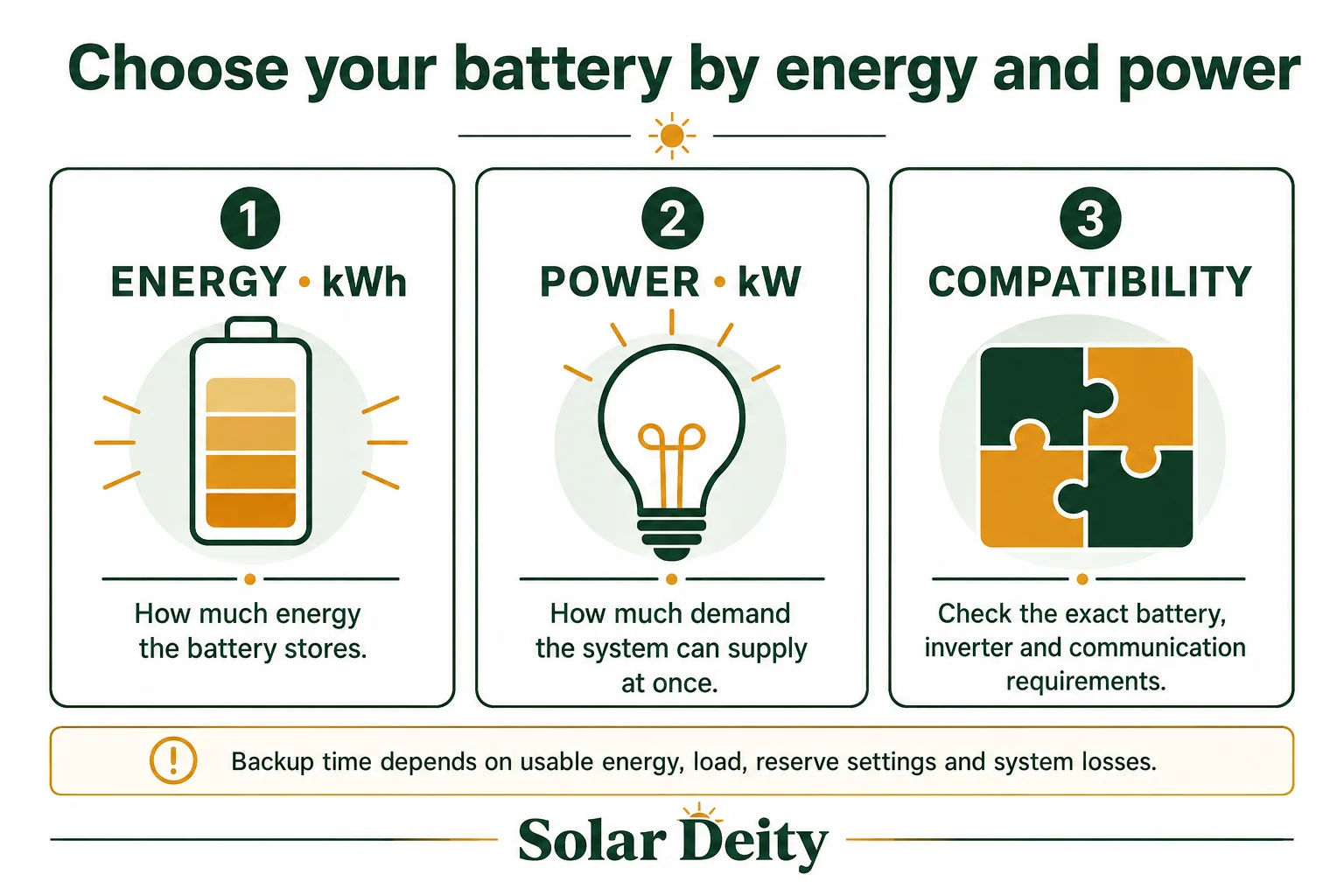
The 120Ah distinction
RW-M6.1 is specified at 51.2V and 120Ah, corresponding to 6.144kWh by multiplication and a published 6.14kWh nominal rating. This makes it a different capacity class from a 100Ah, 5.12kWh module. The extra nominal energy can be relevant when preparing a backup schedule, but it does not increase an inverter rating or make different battery models interchangeable. This page follows the RW-M6.1 v1.6 datasheet and does not substitute the later RW-M6.1-B documentation for the advertised model.
From nominal capacity to a usable-energy estimate
The manufacturer lists 5.53kWh usable DC energy under its stated 90% depth-of-discharge, temperature and test-rate conditions. As an arithmetic example, dividing that reference by a constant 500W DC load gives 11.06 hours before considering the inverter and other losses. It is not a promised AC backup duration. Real appliances switch on and off, reserve settings vary, and available energy changes with operating conditions. A useful quotation should therefore start with the essential load schedule and the desired reserve rather than a fixed hours-of-backup slogan.
Recommended current and brief peak demand
The RW-M6.1 reference lists 60A recommended charge/discharge current, 100A maximum and a 150A peak for two minutes at 25°C. At the nominal voltage, 60A corresponds to 3.072kW of DC power by calculation. This is not a guaranteed socket output or an inverter rating. Current availability depends on temperature and state of charge, and the rest of the system can impose a lower limit. Discuss appliances with starting demand separately from their normal running consumption when planning the backup circuits.
Plan the wall space using the actual dimensions
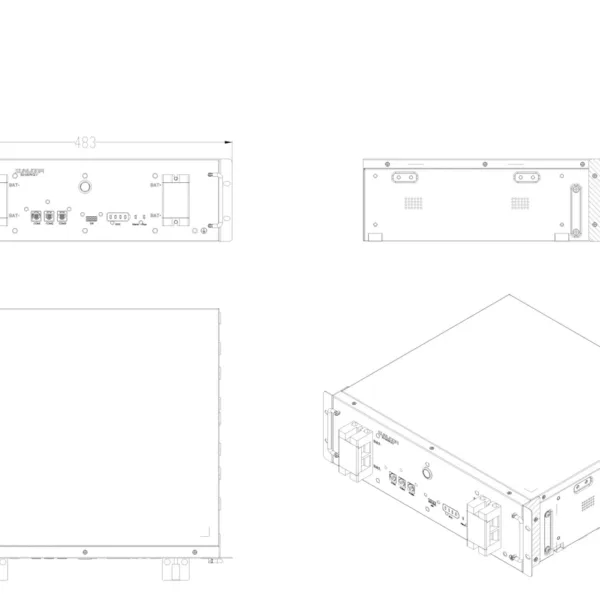
The datasheet gives 475mm width, 720mm height and 145mm depth without the base; depth becomes 161mm with the hanging board. Approximate battery weight is 58kg. Those details matter when selecting a supported mounting location and delivery route. The correct fixing arrangement and clearances must come from the installation manual and site assessment. A wall that looks convenient in a photograph is not evidence that it can support the equipment, and floor mounting should use the prescribed arrangement rather than an improvised support.
What the enclosure rating does and does not settle
IP65 is the stated enclosure rating for this RW-M6.1 reference. It is a useful distinction from Deye IP20 rack products, but it does not remove the need to follow the manufacturer location and installation requirements. Charging is listed for 0–55°C and discharging for −20–55°C. The separate ranges should not be collapsed into a claim that the battery can charge at every discharge temperature. Consider the intended equipment location and environmental exposure as part of the complete installation plan.
Communication, accessories and expansion
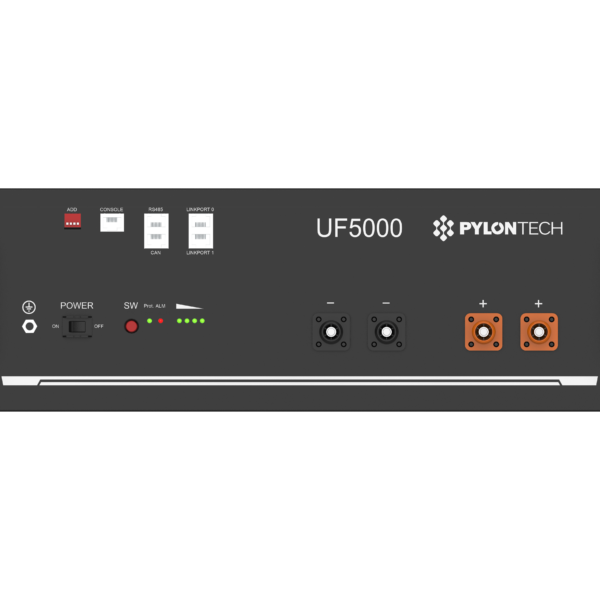
CAN2.0 and RS485 are listed interfaces; the inverter must support the applicable battery protocol and configuration. The brochure describes up to 32 units in a suitable parallel system. That upper reference does not approve an arbitrary combination of old and new batteries. Confirm the offered unit revision, required interconnections and accessories in the quotation. The v1.6 document distinguishes included and optional cable items, so a multi-battery expansion should be scoped explicitly rather than assumed to contain every cable and mounting component.
Warranty and maintenance records
The reference brochure describes a ten-year warranty period and a 20MWh throughput limit at 70% end-of-life capacity, with the earlier limit governing and applicable terms still requiring confirmation. This is more specific than presenting ten years as an unconditional service-life promise. Keep the model label, installation record and purchase documents available for service enquiries. Monitor operating status through the supported system, and investigate alarms through the installer rather than treating a healthy-looking state-of-charge display as a substitute for the full operating status.
Manufacturer reference
Deye RW-M6.1 manufacturer datasheet. Values above refer to this model and document version. Confirm the offered configuration and applicable local terms in the quotation.