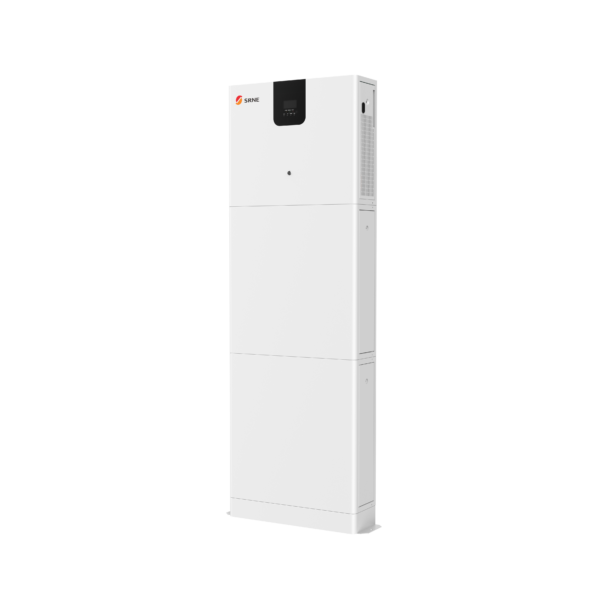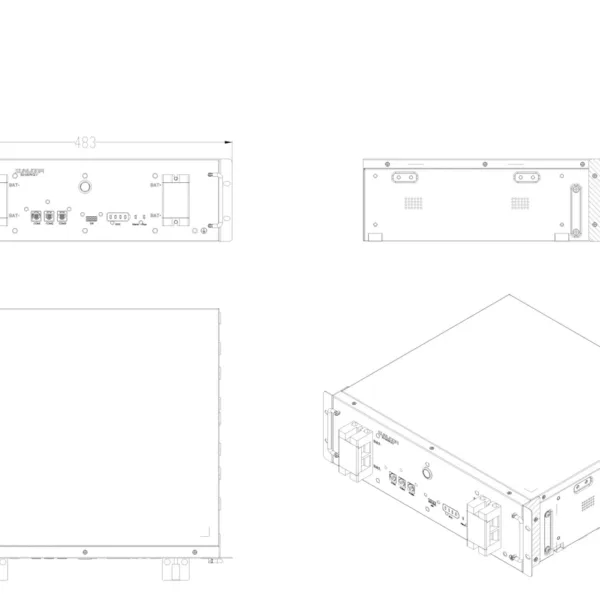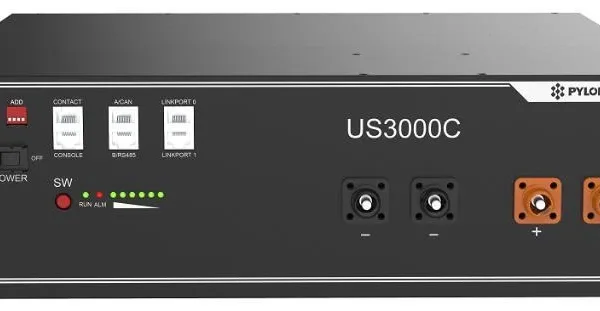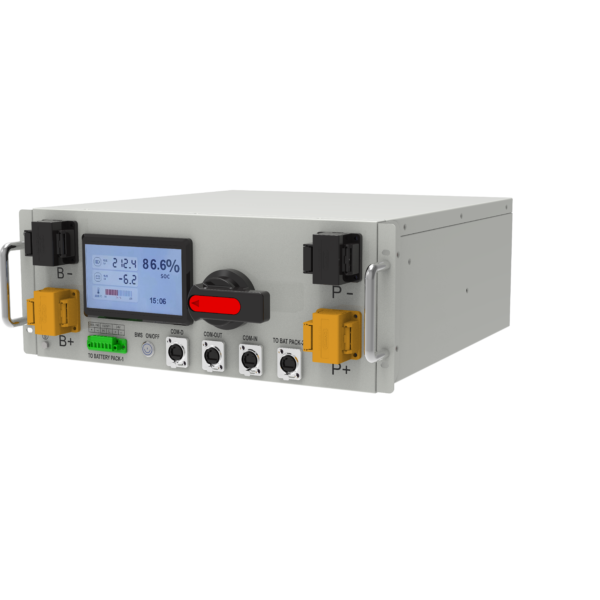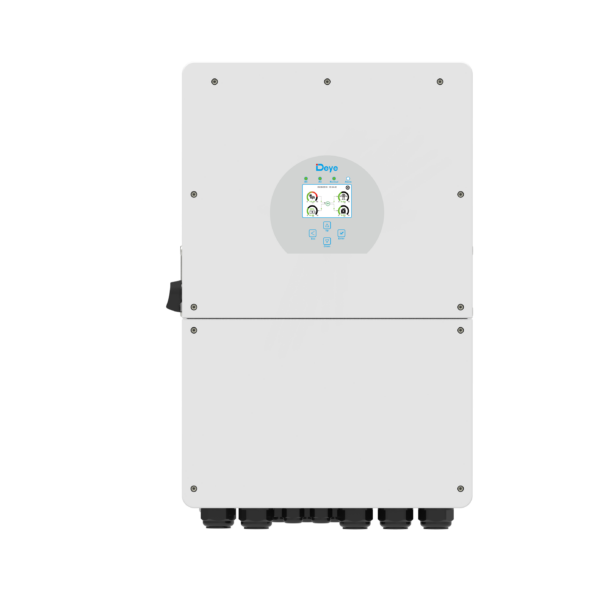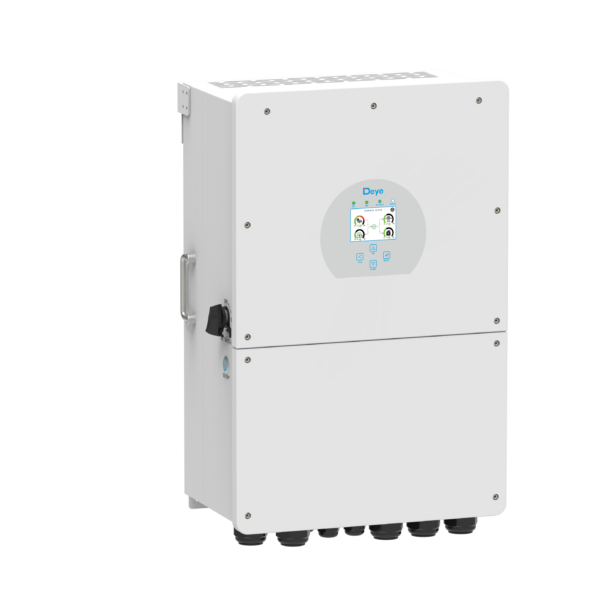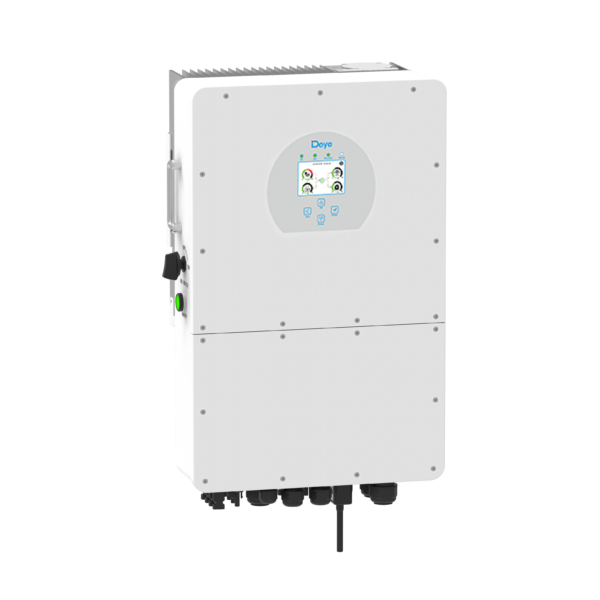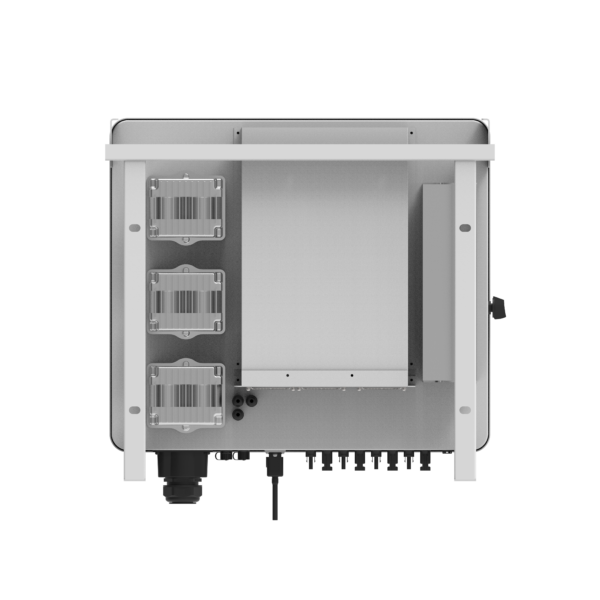

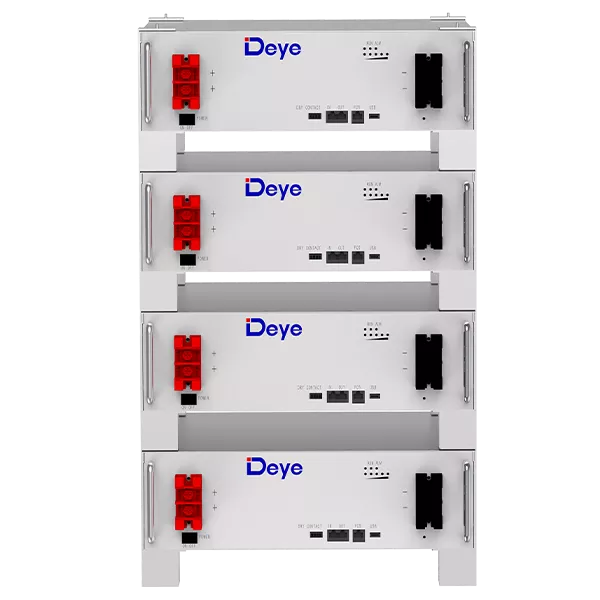

Deye SE-G5.1 Pro 5.12kWh Lithium Battery
R20,000.00
Explore the Deye SE-G5.1 Pro 51.2V 100Ah battery: 5.12kWh nominal energy, 4.6kWh usable reference and model-specific backup planning.
Store energy for the hours that matter
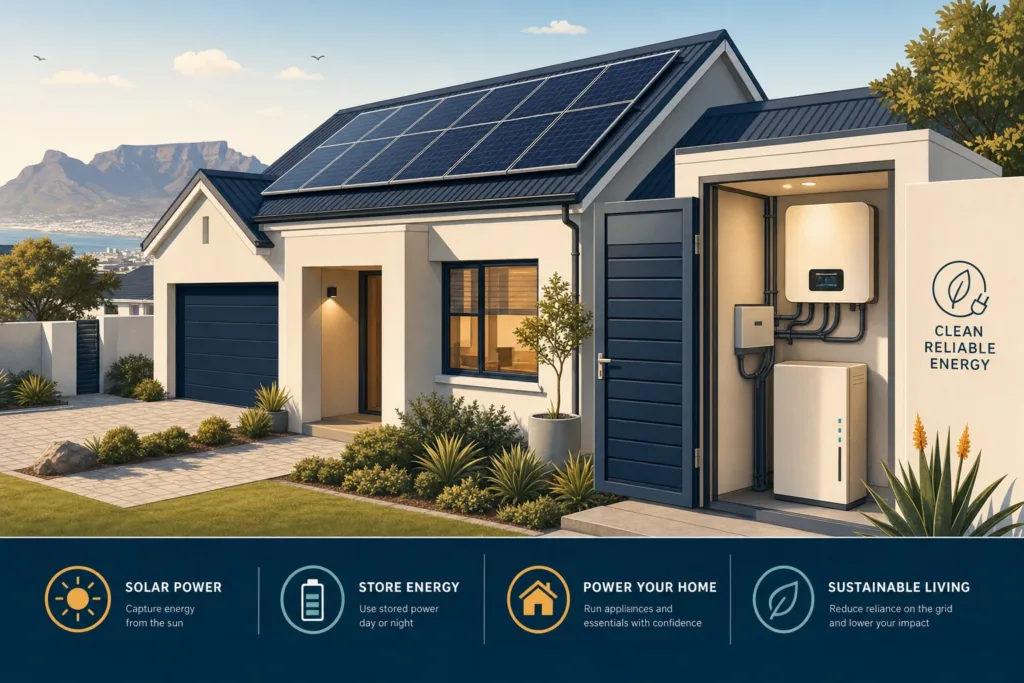
The Deye SE-G5.1 Pro 5.12kWh battery adds stored energy to a compatible low-voltage solar system. It is intended to work with an inverter and a properly configured battery management connection, helping move available energy from charging periods to later use. For a South African home or small office, the useful starting point is a list of essential circuits, the hours they must run and the available space for equipment.
What 5.12kWh tells you
Nominal energy describes the amount of energy associated with the battery rating. It does not mean that the battery can power any appliance combination for a fixed number of hours. Usable energy depends on the permitted operating window, reserve setting, temperature, battery condition and conversion losses. The 51.2V and 100Ah ratings give 51.2 × 100 ÷ 1,000 = 5.12kWh nominal energy.
Plan a realistic backup load
Start with lighting, internet equipment, security equipment and refrigeration if these are the circuits you want to support. Measure their combined demand and note equipment that cycles on and off. A kettle, oven or electric heater can change the load substantially, so decide whether these belong on the backup side. Storage capacity and instantaneous discharge power must both satisfy the proposed appliances.
Check the exact Pro version
SE-G5.1 Pro, SE-G5.1 Pro-B and other SE-G5.1 versions should not be treated as interchangeable simply because their names are similar. Ask for the supplied unit label and matching manual before choosing current settings, accessories or additional modules. This page does not transfer cycle-life figures, mounting instructions or warranty conditions from a different revision to the advertised Pro model.
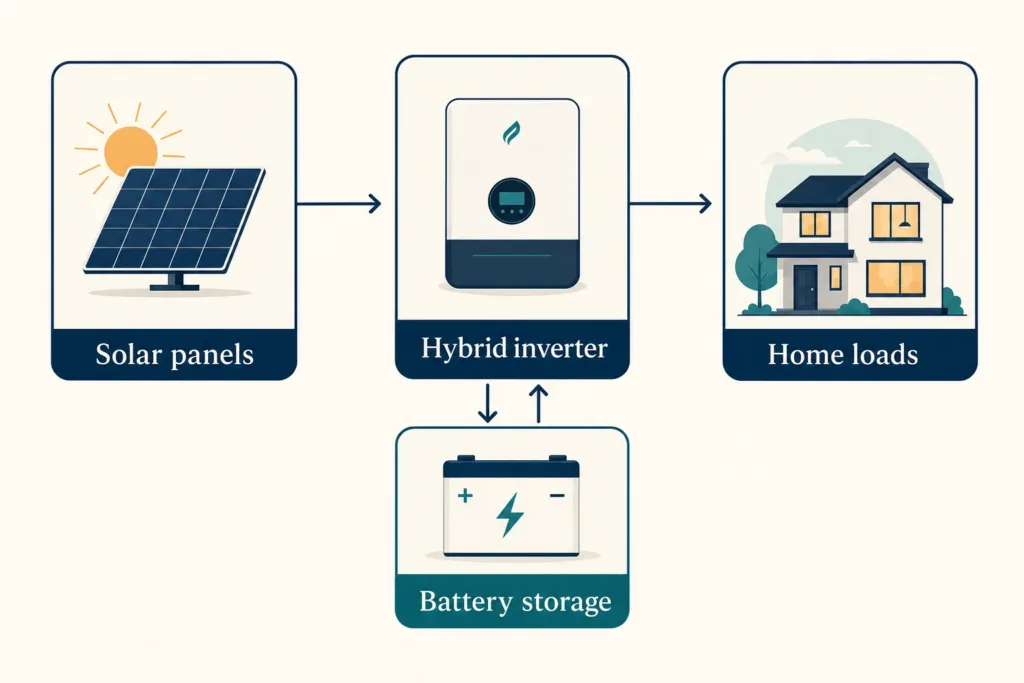
Make the inverter and battery work together
The installer should confirm that the inverter supports this battery model, its communication protocol and the applicable firmware combination. A matching nominal voltage alone is not proof of compatibility. The allowed charging and discharge settings must respect both products, and the battery communication cable must follow the specified pinout. Solar panels connect through the appropriate inverter or charger, not directly to this battery.
Consider the next stage before installation
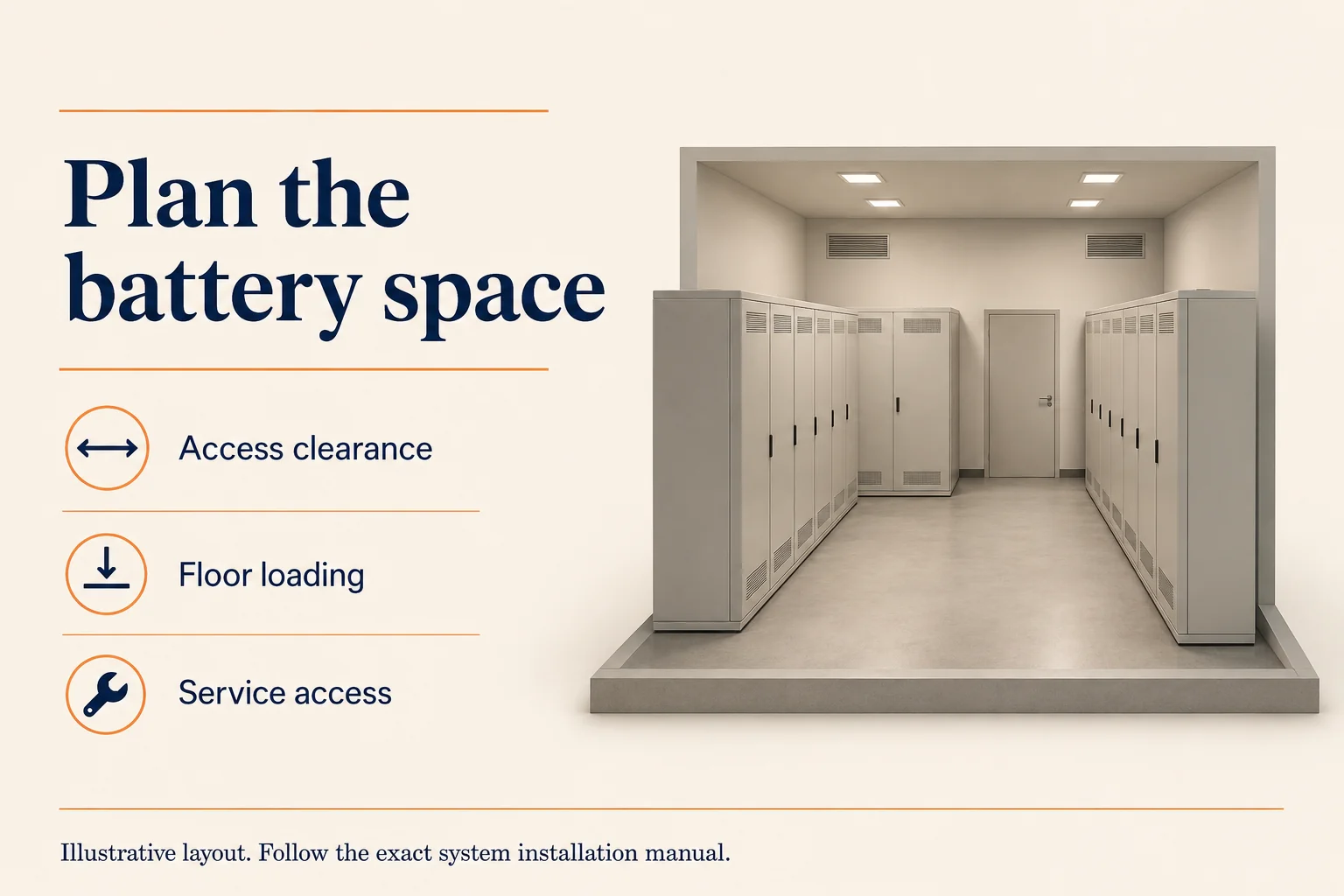
If you may add storage later, ask about permitted expansion arrangements for the exact supplied version before selecting the initial enclosure and cabling. Do not assume that mixing ages, capacities or model revisions is supported. Reserve practical access for inspection and servicing, and keep the documented battery configuration with the system handover information.
Estimate runtime with measured demand
For a first planning estimate, divide the energy actually available to the loads by their average demand. If 4kWh reaches the loads and they average 0.5kW, the arithmetic gives eight hours. This is an illustration, not a runtime claim for the advertised product. Obtain the permitted usable energy, allow for reserve and losses, and consider how demand varies across the period.
Before you order
Send Solar Deity the inverter model, the existing battery details if applicable, your intended loads and the installation location. Ask for confirmation of the exact supplied model, module count, required accessories and applicable warranty document. Keep the written configuration with the installer handover record so later support or expansion starts from reliable equipment information.

Frequently asked questions
Does nominal capacity equal usable capacity? No: the operational window, reserve, losses and conditions affect usable energy. Will a larger battery run larger appliances? Only if the inverter and battery power limits also support them. Can it be installed with any same-voltage battery? No: mixing models or versions requires explicit support for the arrangement.
Discuss a complete configuration with Solar Deity
Use the product enquiry option to share your equipment details and storage objectives. A useful quotation identifies both the battery and the components required to make it work in your system. Confirm supply contents and the installer scope before arranging delivery, particularly where the purchase is an expansion of an existing installation rather than a complete new system.
Technical reference and ordering support
Use the documentation for the exact supplied model and revision when planning the installation. Model-specific manual reference.
The usable-energy figure behind a backup estimate
For the SE-G5.1 Pro, the paired manufacturer datasheet lists 5.12kWh nominal energy and 4.6kWh usable DC energy. The latter is a test reference, not the amount guaranteed at household sockets. If a calculation assumed a constant 500W DC-side load, dividing 4.6kWh by 0.5kW would give 9.2 hours before considering the inverter, its consumption and other losses. An AC appliance schedule needs those additional allowances. This example explains the units and must not be treated as a promised outage duration.
50A recommended and 100A maximum describe different conditions
The datasheet lists 50A recommended charge/discharge current and 100A maximum, with current affected by temperature and state of charge. At the nominal 51.2V, 50A corresponds to 2.56kW of DC power by multiplication, while 100A corresponds to 5.12kW. Neither number is a guaranteed AC output. The inverter, cable arrangement, battery controls and actual voltage also constrain delivery. The 150A entry is explicitly a two-minute peak at 25°C and should not be advertised as continuous operating power.
Choosing between the Pro and the 5.3
The SE-G5.1 Pro is the 100Ah, 5.12kWh model in the shared document; SE-G5.3 is the 104Ah, 5.32kWh model. The difference in nominal energy is 0.20kWh. That distinction matters when comparing quotes, but it is not permission to mix the models within an existing bank. Record the full label, firmware requirements and inverter compatibility before expansion. The separate Pro-B designation should also remain separate: this page does not automatically adopt its newer construction or specifications.
Indoor equipment space and future servicing
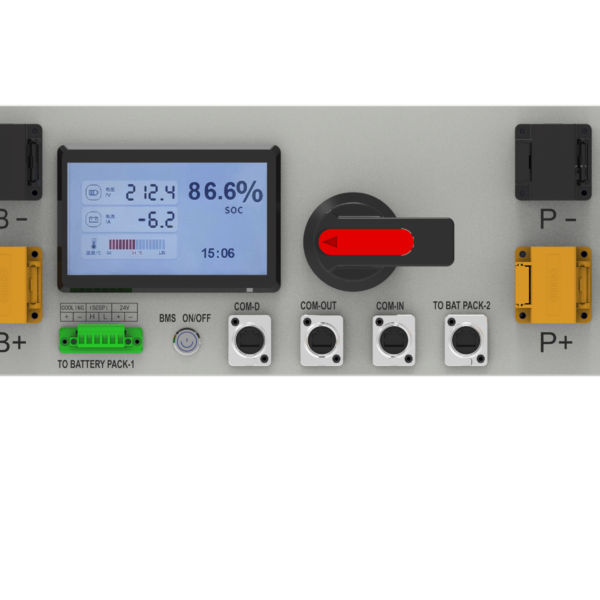
IP20 protection calls for a suitable protected equipment location. The brochure describes rack, floor and wall mounting arrangements, but the required brackets, rack and clearances must be matched to the offered version. Allow space to access connections, indicators and service points rather than planning only the visible battery footprint. The listed communication interfaces provide the means for a supported connection; they do not mean every inverter can interpret this battery automatically. Include the complete inverter model in a quotation request so this can be checked.
Manufacturer reference
Deye SE-G5.1 Pro manufacturer datasheet. Values above refer to this model and document version. Confirm the offered configuration and applicable local terms in the quotation.
Technical specifications
| Parameter | Model-specific value / scope |
|---|---|
| Battery model | SE-G5.1 Pro (not Pro-B) |
| Chemistry | LiFePO4 |
| Nominal voltage | 51.2V |
| Rated capacity | 100Ah |
| Nominal energy | 5.12kWh |
| Usable DC energy reference | 4.6kWh under the manufacturer test conditions |
| Operating voltage | 43.2–57.6V |
| Recommended charge/discharge current | 50A |
| Maximum charge/discharge current | 100A; affected by temperature and state of charge |
| Peak current | 150A for 2 minutes at 25°C; not a continuous rating |
| Recommended depth of discharge | 90% |
| Enclosure | IP20 |
| Charging temperature | 0–55°C for the standard configuration |
| Discharging temperature | −20–55°C |
| Storage temperature | 0–35°C |
| Communication | CAN2.0 / RS485 |
| Mounting reference | 19-inch rack, floor or wall mounting with the appropriate hardware |
| Parallel expansion reference | Up to 64 packs; more than 32 requires external setup per datasheet |
| Warranty | Confirm applicable period, energy-throughput limit and local terms for the supplied Pro version |