No products in the cart.
Return To Shop

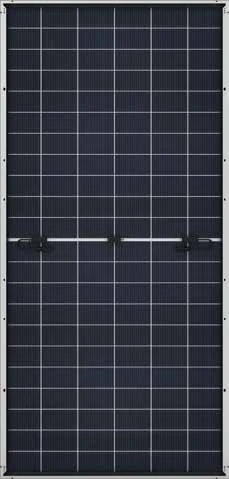
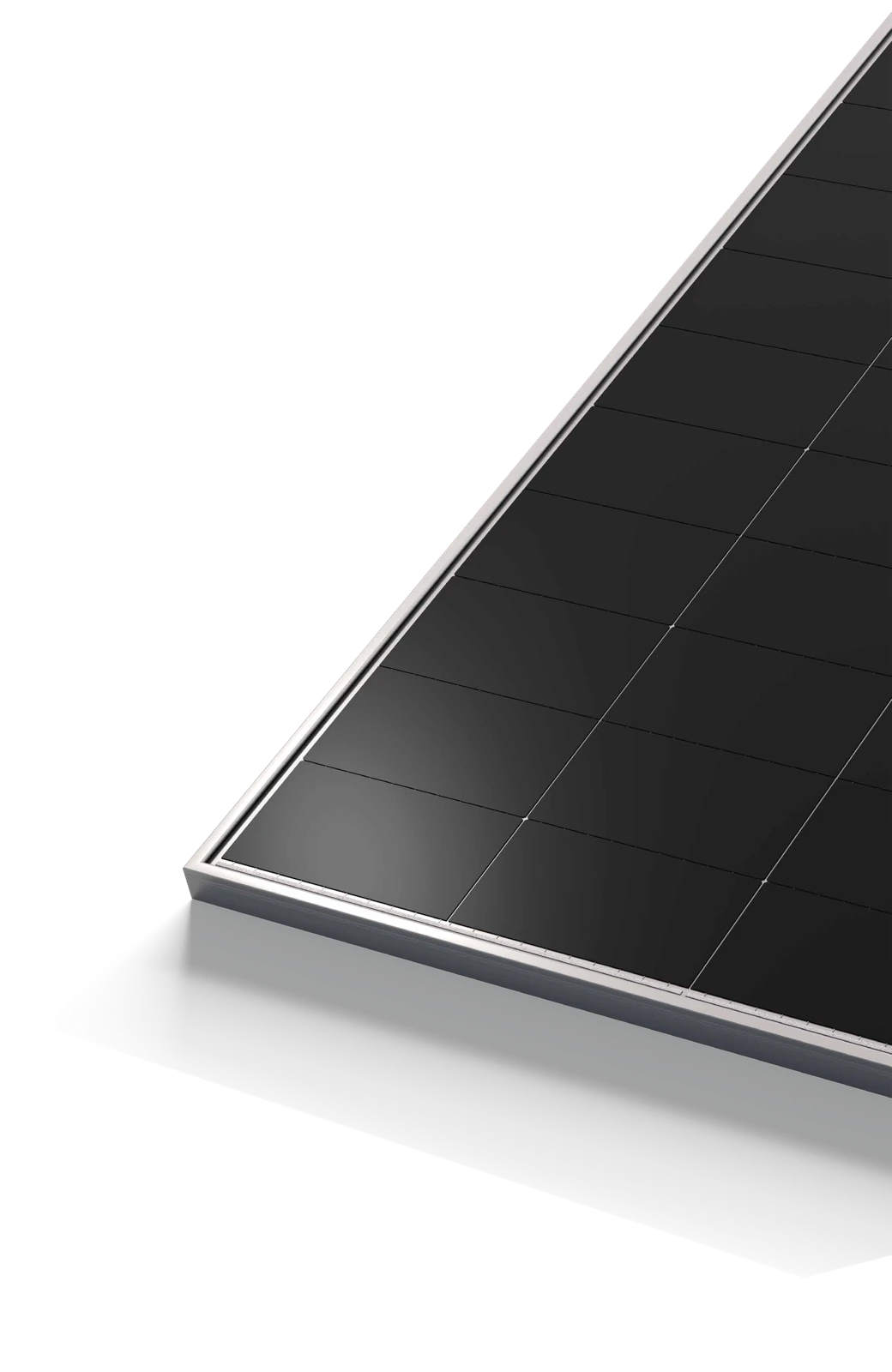
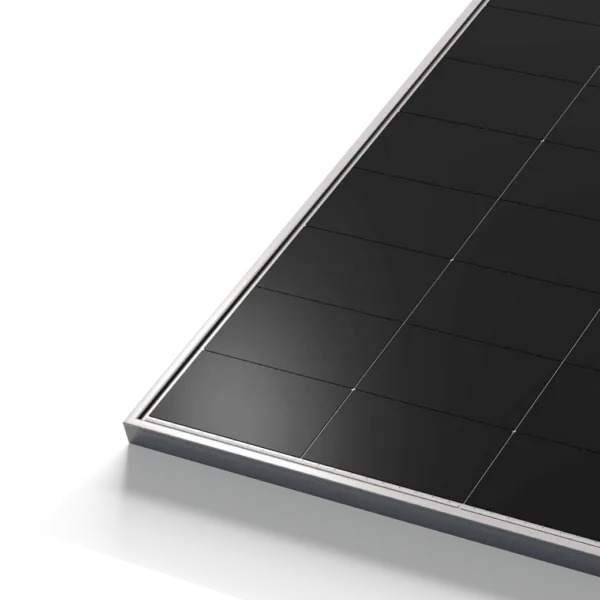
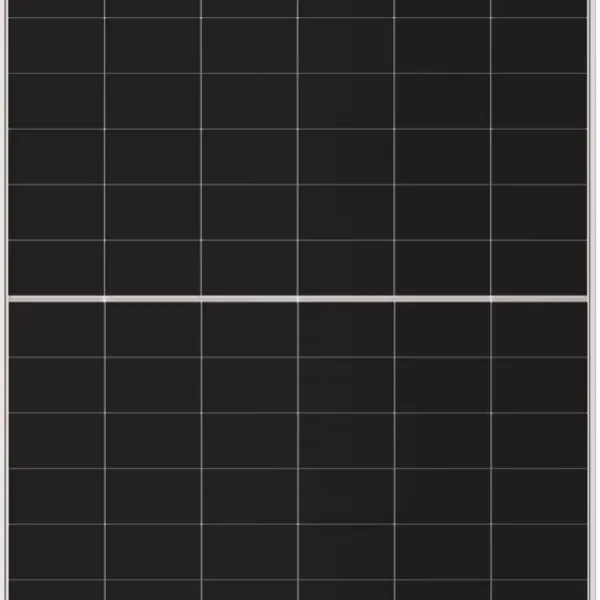
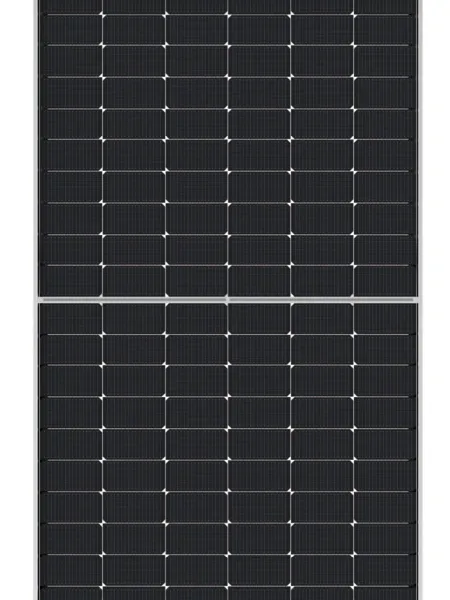
LONGi Hi-MO X6 Max 625W BC Solar Panel
R1,850.00
LONGi LR8-66HTD-625M is the 625W BC-cell reference in the Hi-MO X6 Max family. It has dual 2.0mm glass, 2382 × 1134 × 30mm dimensions and 33.5kg weight. The manufacturer positions the family for the distributed-generation market.
LONGi Hi-MO X6 Max 625W BC Solar Panel
- Rated power at STC: 625W
- Technology: BC cell
- Construction: Dual glass, 2.0mm + 2.0mm
- Dimensions: 2382×1134×30mm
625W back-contact module for distributed solar
LONGi LR8-66HTD-625M is the 625W BC-cell reference in the Hi-MO X6 Max family. It has dual 2.0mm glass, 2382 × 1134 × 30mm dimensions and 33.5kg weight. The manufacturer positions the family for the distributed-generation market.
Identify the HTD family before comparing panels
The LR8-66HTD code distinguishes this BC-cell product from the LR8-66HGD HPDC family. Compare the appropriate manufacturer electrical and mechanical specifications for the intended mounting and inverter combination. Similar wattage and dimensions do not mean that two different cell families are the same product.
Hi-MO X6 Max with back-contact technology
LR8-66HTD-625M belongs to the listed Hi-MO X6 Max back-contact family. Its 625W STC rating gives 6.25kWp of nameplate DC capacity for ten modules. The matched HTD specification brings together the technology, physical format and electrical values needed to assess this option within a rooftop-solar design.

Key details that shape the system design
Make room for the installation
Dimensions: 2382×1134×30mm
Use these dimensions when assessing the equipment position, delivery route or mounting layout. Allow additional space for the manufacturer’s required clearances, cable routes and service access rather than designing around enclosure size alone.
Compare the module architecture
Technology: BC cell
The cell and module technology helps distinguish this product family from other panels with similar headline wattage. Use the exact model’s electrical and mechanical data when selecting the inverter, mounting arrangement and array layout.
Designed around the way your system works
Use the available installation area effectively
A solar module’s wattage helps establish how much nominal DC capacity can fit within a planned array. For a roof project, the useful design combines that rating with the actual module dimensions, access routes, shading and the mounting structure. For a ground-mounted project, row spacing and the surrounding site conditions also influence the result.
Two arrays with the same nominal wattage can deliver different energy over a year. Orientation, tilt, weather, temperature, shading and inverter operation all contribute. The module rating therefore provides a comparison point under standard test conditions rather than a guaranteed daily energy figure.
Connect the module choice to the inverter design
The electrical string design should use this exact model’s voltage and current values. Cold conditions can increase open-circuit voltage, while high operating temperatures reduce voltage. The final string length must remain within the inverter’s voltage limits and suitable operating window across the expected conditions.
Current capability is equally important when comparing modern high-output modules. The inverter’s input and short-circuit-current limits, connector compatibility and any parallel-string arrangement all need assessment. Replacing a panel with one of a similar wattage is not a substitute for comparing its full electrical characteristics.
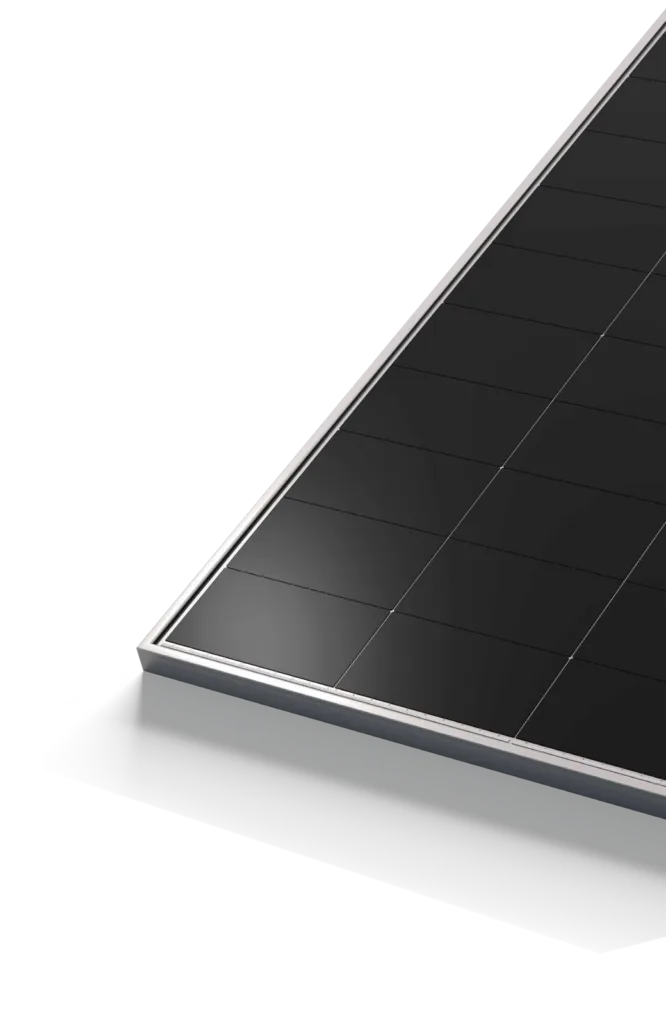
A mounting layout that supports long-term performance
The frame dimensions, approved clamp zones and mechanical loading conditions determine how a module can be mounted. The manufacturer’s installation guide should be read together with the mounting-system design and the site’s structural assessment. Clear access for inspection and cleaning is worth considering at the layout stage.
Keep drainage routes clear and protect cables from mechanical strain or contact with sharp edges. Shading from nearby structures or vegetation can change over time, so a suitable location today should also be assessed for future obstructions. Routine inspection helps identify soiling, damage or loose support components before they become larger problems.
Compare quotations on a consistent basis
A useful quotation identifies the exact module reference, quantity, total DC nameplate capacity, mounting arrangement and inverter combination. It should distinguish product warranty terms from a linear power-performance warranty, since these cover different matters. The relevant manufacturer document establishes the applicable conditions.
When extending an existing array, provide the installed module model, string layout and inverter reference. A new module family may use a different current, cell layout or physical format even when its power rating is close. Assessing the whole string helps preserve a coherent installation.

Where this product fits
Rooftop solar generation
Plan the panel layout around usable roof area, orientation, shading and maintenance access. The module dimensions are as important as its rated power.
Commercial energy projects
Compare the array output with the site’s daytime demand and inverter input limits. Assess the structure and mounting system for the chosen module format.
New arrays and extensions
Use the exact electrical characteristics when grouping modules into strings. A nominal wattage match alone does not establish compatibility with an existing array.
LR8-66HTD-625M technical specifications
| Manufacturer model | LR8-66HTD-625M |
|---|---|
| Rated power at STC | 625W |
| Technology | BC cell |
| Construction | Dual glass, 2.0mm + 2.0mm |
| Dimensions | 2382×1134×30mm |
| Weight | 33.5kg |
| Junction box | IP68 |
Product documents & downloads
LR8-66HTD-625M — manufacturer specificationsSpecifications / product reference · English · 1.23 MB
Download PDFLONGi double-glass module installation manual — V3.1Installation manual · English · 32.10 MB
Download PDFYour questions about LR8-66HTD-625M
Does the panel rating predict daily energy production?
625W is the standard-test-condition power rating for this module. Daily kWh production depends on irradiance, orientation, shading, temperature and system losses. Use the rating for array sizing, then assess energy yield for the actual site.
Can I add this panel to an existing string?
Compare the voltage and current characteristics of LR8-66HTD-625M with the installed modules and the inverter input limits. Also check connectors, mounting geometry and the string’s cold-weather open-circuit voltage. Matching only the wattage is insufficient.
What information helps Solar Deity recommend a suitable configuration?
Send the LR8-66HTD-625M reference together with your existing equipment models, intended application and roof dimensions, orientation and planned inverter. Those details make the discussion more useful than a headline power or capacity figure alone.
Which document should I use for installation?
Use the applicable manufacturer installation or user manual for the exact model and hardware revision. The specification document in the download section supports product selection; a shared family document may cover several variants. Keep the selected model column and the equipment nameplate aligned when preparing the installation.
Plan your next step with Solar Deity
Bring together the right module layout and electrical design for your property. Share the LR8-66HTD-625M reference and your requirements so our team can help you evaluate a suitable configuration.
Discuss your system