No products in the cart.
Return To Shop
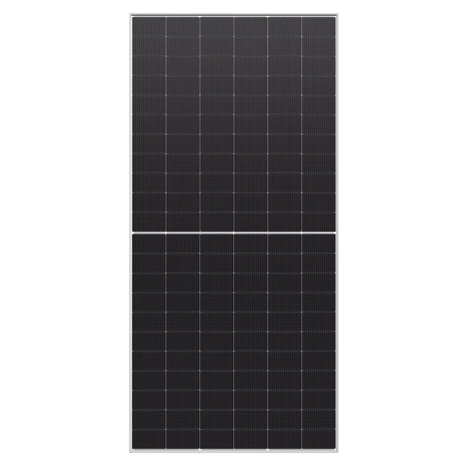


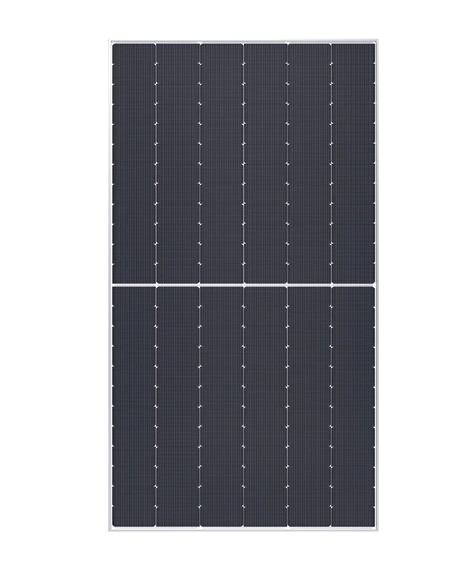
LONGi Hi-MO 7 620W Bifacial Solar Panel
R1,850.00
LONGi LR8-66HGD-620M provides a 620W STC rating in the 2382 × 1134 × 30mm LR8 format. The V3.2 family sheet lists dual 2.0mm glass and 32.5kg module weight. The product combines the Hi-MO 7 cell platform with a large-format module layout.
LONGi Hi-MO 7 620W Bifacial Solar Panel
- Rated power at STC: 620W
- Technology: HPDC half-cell
- Construction: Dual glass, 2.0mm + 2.0mm
- Dimensions: 2382×1134×30mm
620W Hi-MO 7 with HPDC half-cell technology
LONGi LR8-66HGD-620M provides a 620W STC rating in the 2382 × 1134 × 30mm LR8 format. The V3.2 family sheet lists dual 2.0mm glass and 32.5kg module weight. The product combines the Hi-MO 7 cell platform with a large-format module layout.
Use the LR8 reference for mechanical planning
The LR8-66HGD model code is the key identifier when comparing this panel with other LONGi 620W products. Different families can have different dimensions and electrical characteristics despite the same wattage. The matched manufacturer PDF below provides the reference for the exact family.
620W within the LR8-66HGD range
LR8-66HGD-620M gives 6.20kWp of nominal DC capacity for ten modules. The rating provides a clear basis for comparing array quantities with the 610W and 615W options. Combine that comparison with the usable roof area and inverter input limits to select a layout that fits the site.

Key details that shape the system design
Make room for the installation
Dimensions: 2382×1134×30mm
Use these dimensions when assessing the equipment position, delivery route or mounting layout. Allow additional space for the manufacturer’s required clearances, cable routes and service access rather than designing around enclosure size alone.
Compare the module architecture
Technology: HPDC half-cell
The cell and module technology helps distinguish this product family from other panels with similar headline wattage. Use the exact model’s electrical and mechanical data when selecting the inverter, mounting arrangement and array layout.
Designed around the way your system works
Use the available installation area effectively
A solar module’s wattage helps establish how much nominal DC capacity can fit within a planned array. For a roof project, the useful design combines that rating with the actual module dimensions, access routes, shading and the mounting structure. For a ground-mounted project, row spacing and the surrounding site conditions also influence the result.
Two arrays with the same nominal wattage can deliver different energy over a year. Orientation, tilt, weather, temperature, shading and inverter operation all contribute. The module rating therefore provides a comparison point under standard test conditions rather than a guaranteed daily energy figure.
Connect the module choice to the inverter design
The electrical string design should use this exact model’s voltage and current values. Cold conditions can increase open-circuit voltage, while high operating temperatures reduce voltage. The final string length must remain within the inverter’s voltage limits and suitable operating window across the expected conditions.
Current capability is equally important when comparing modern high-output modules. The inverter’s input and short-circuit-current limits, connector compatibility and any parallel-string arrangement all need assessment. Replacing a panel with one of a similar wattage is not a substitute for comparing its full electrical characteristics.
A mounting layout that supports long-term performance
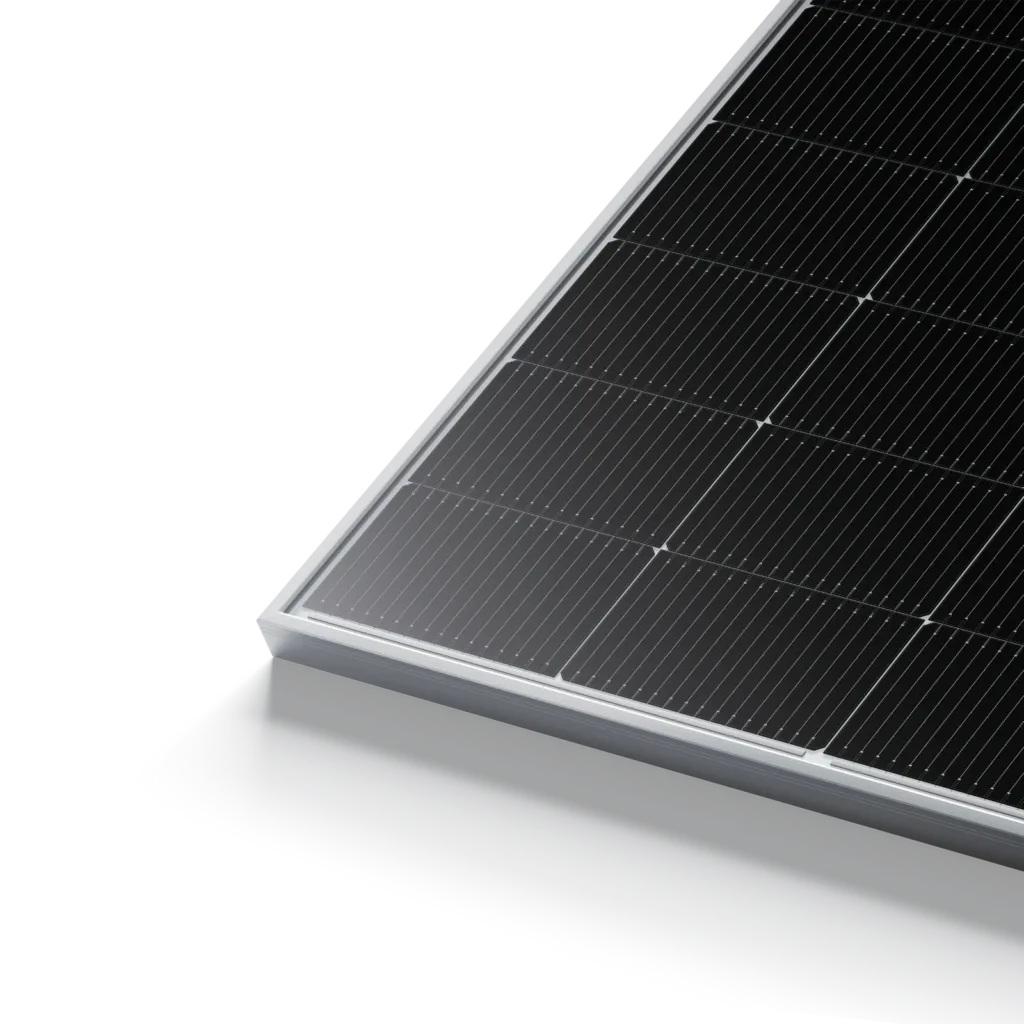
The frame dimensions, approved clamp zones and mechanical loading conditions determine how a module can be mounted. The manufacturer’s installation guide should be read together with the mounting-system design and the site’s structural assessment. Clear access for inspection and cleaning is worth considering at the layout stage.
Keep drainage routes clear and protect cables from mechanical strain or contact with sharp edges. Shading from nearby structures or vegetation can change over time, so a suitable location today should also be assessed for future obstructions. Routine inspection helps identify soiling, damage or loose support components before they become larger problems.
Compare quotations on a consistent basis
A useful quotation identifies the exact module reference, quantity, total DC nameplate capacity, mounting arrangement and inverter combination. It should distinguish product warranty terms from a linear power-performance warranty, since these cover different matters. The relevant manufacturer document establishes the applicable conditions.
When extending an existing array, provide the installed module model, string layout and inverter reference. A new module family may use a different current, cell layout or physical format even when its power rating is close. Assessing the whole string helps preserve a coherent installation.

Where this product fits
Rooftop solar generation
Plan the panel layout around usable roof area, orientation, shading and maintenance access. The module dimensions are as important as its rated power.
Commercial energy projects
Compare the array output with the site’s daytime demand and inverter input limits. Assess the structure and mounting system for the chosen module format.
New arrays and extensions
Use the exact electrical characteristics when grouping modules into strings. A nominal wattage match alone does not establish compatibility with an existing array.
LR8-66HGD-620M technical specifications
| Manufacturer model | LR8-66HGD-620M |
|---|---|
| Rated power at STC | 620W |
| Technology | HPDC half-cell |
| Construction | Dual glass, 2.0mm + 2.0mm |
| Dimensions | 2382×1134×30mm |
| Weight | 32.5kg (V3.2 family datasheet) |
| Junction box | IP68 |
Product documents & downloads
LR8-66HGD-620M — manufacturer specificationsSpecifications / product reference · English · 4.59 MB
Download PDFLONGi PV module installation manual V19Installation manual V19 · English · 2.57 MB
Download PDFYour questions about LR8-66HGD-620M
Does the panel rating predict daily energy production?
620W is the standard-test-condition power rating for this module. Daily kWh production depends on irradiance, orientation, shading, temperature and system losses. Use the rating for array sizing, then assess energy yield for the actual site.
Can I add this panel to an existing string?
Compare the voltage and current characteristics of LR8-66HGD-620M with the installed modules and the inverter input limits. Also check connectors, mounting geometry and the string’s cold-weather open-circuit voltage. Matching only the wattage is insufficient.
What information helps Solar Deity recommend a suitable configuration?
Send the LR8-66HGD-620M reference together with your existing equipment models, intended application and roof dimensions, orientation and planned inverter. Those details make the discussion more useful than a headline power or capacity figure alone.
Which document should I use for installation?
Use the applicable manufacturer installation or user manual for the exact model and hardware revision. The specification document in the download section supports product selection; a shared family document may cover several variants. Keep the selected model column and the equipment nameplate aligned when preparing the installation.
Plan your next step with Solar Deity
Bring together the right module layout and electrical design for your property. Share the LR8-66HGD-620M reference and your requirements so our team can help you evaluate a suitable configuration.
Discuss your system