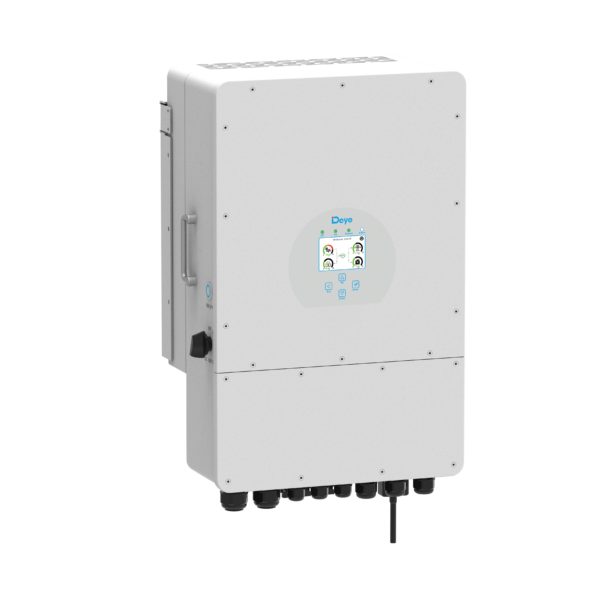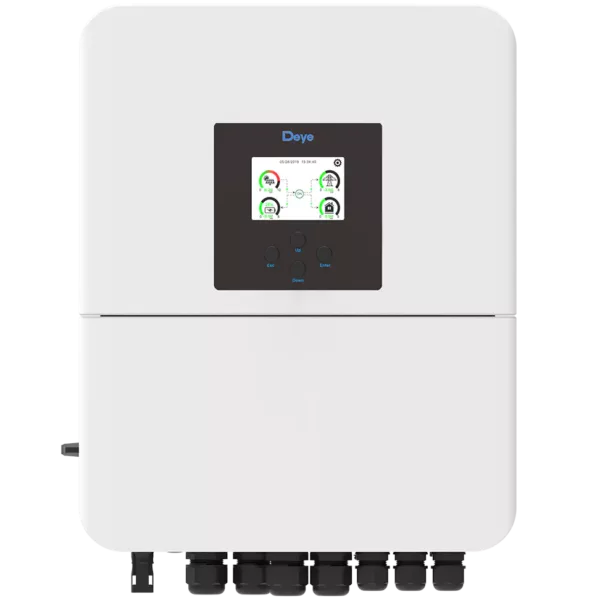
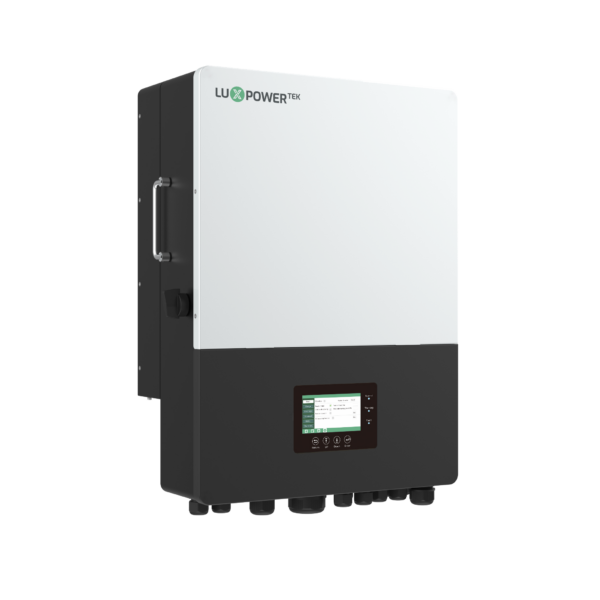
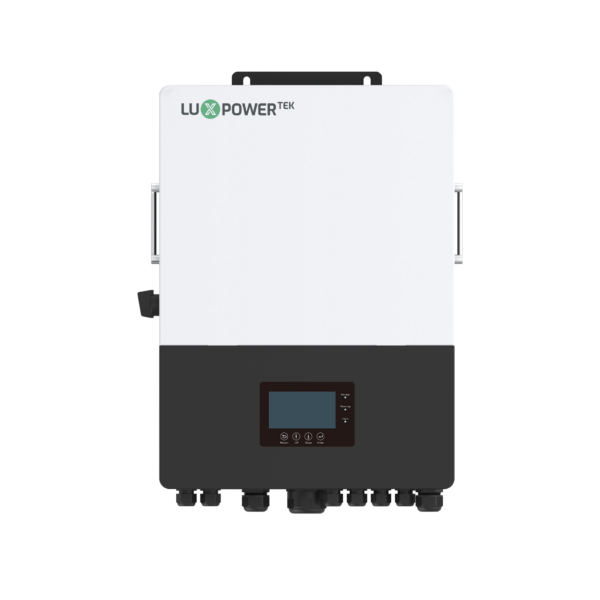
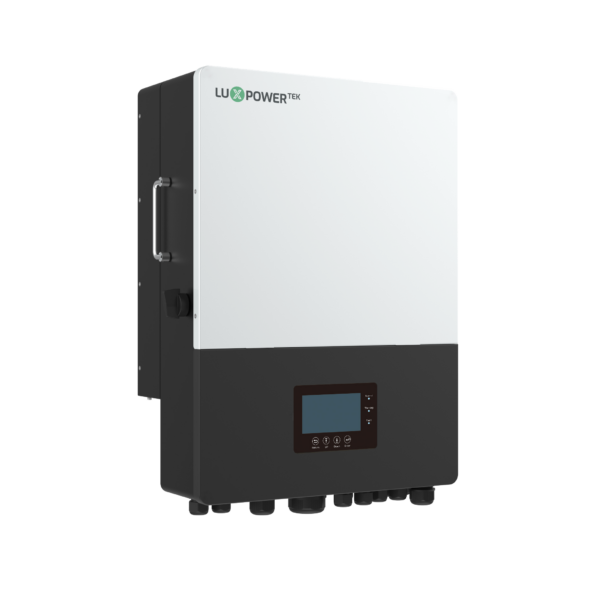
Luxpower LXP 12kW Single-Phase Hybrid Inverter
R32,500.00
The Luxpower LXP 12K is a single-phase hybrid-inverter family designed to combine solar generation, compatible low-voltage battery storage and an AC supply. Its three MPPT trackers and up-to-18kW PV input distinguish it from the two-MPPT LXP 10kW reference. This listing covers the LXP-LB-EU 12K family; exact electrical limits must be matched to the supplied unit’s revision.
Luxpower LXP 12kW Single-Phase Hybrid Inverter
The Luxpower LXP 12K is a single-phase hybrid-inverter family designed to combine solar generation, compatible low-voltage battery storage and an AC supply. Its three MPPT trackers and up-to-18kW PV input distinguish it from the two-MPPT LXP 10kW reference. This listing covers the LXP-LB-EU 12K family; exact electrical limits must be matched to the supplied unit’s revision.
Three trackers create more array-design options
Three independently managed MPPT inputs give the designer more flexibility when allocating suitable solar strings. This can help where the roof has several usable areas or different operating conditions. It does not mean that any three groups of panels can be connected without calculation. Each tracker has its own permitted current, while all strings must satisfy the supplied revision’s voltage limits. The panel model, roof layout and inverter revision therefore belong in the same design review.

Understand the 18kW solar-input reference
The maximum PV input-power reference describes the array-side capability rather than the amount of AC power continuously available to appliances. The array and inverter ratings serve different purposes. Solar production also changes with irradiance, temperature and shading, so an 18kW nameplate array is not a guarantee of 18kW generation throughout the day. Discuss the expected daily production and the timing of consumption when deciding how much panel capacity is appropriate.
Why the full 12K revision matters
The product family name is not a substitute for the rated-output table. For example, the linked October 2025 EU datasheet uses the 12K name while listing 11,500W rated AC and UPS output at 230V. Earlier or regional versions may use different figures. Match the quotation and final load design to the rating label on the supplied unit instead of assuming that every LXP 12K document describes identical hardware and settings.
A 48V architecture needs a suitable battery bank
The referenced battery voltage range is 40–60V, placing this family in the low-voltage storage category. Delivering substantial AC power from that voltage involves considerable DC current. The battery bank must provide the required discharge capability, and charging settings must respect its limits. Battery chemistry, management-system communication and supported firmware matter alongside capacity. A battery advertised with a large kWh figure is not automatically suitable for full-power operation of this inverter.
Separate stored energy from available backup power
The inverter’s output capability and the battery’s energy capacity answer different questions. Output determines which loads can run together under suitable conditions; stored energy influences how long they can run. Review both the simultaneous load profile and the overnight energy requirement. A large inverter paired with limited storage can supply a demanding load for a short period while still falling short of the desired backup duration.
The additional port has alternative operating roles
Luxpower documents a separate configurable port for generator connection, smart-load control or supported AC coupling. These are alternative uses that depend on the installation design and selected operating mode. They should not be treated as three extra functions that can all be connected to the same port simultaneously. Identify the intended role before commissioning so that the system quotation and operating instructions describe the arrangement actually being supplied.
Generator integration is a system-design decision
Where generator operation is intended, confirm the generator’s electrical characteristics, available capacity and the supported control arrangement for the inverter revision. The system may need to balance load supply with battery charging rather than using all available generator power for one purpose. A generator image in manufacturer literature illustrates an application; it does not establish that the generator, control wiring or commissioning service is included with the inverter.
Design backup circuits around the interruption condition
A property may consume more power while grid supply is available than its selected backup arrangement can sustain without the grid. Identify the circuits that should remain available and check their combined running and starting demand. This is particularly useful for pumps, refrigeration and heating appliances. The chosen battery reserve and charging schedule should reflect whether the priority is everyday solar consumption, outage readiness or a balance of the two.
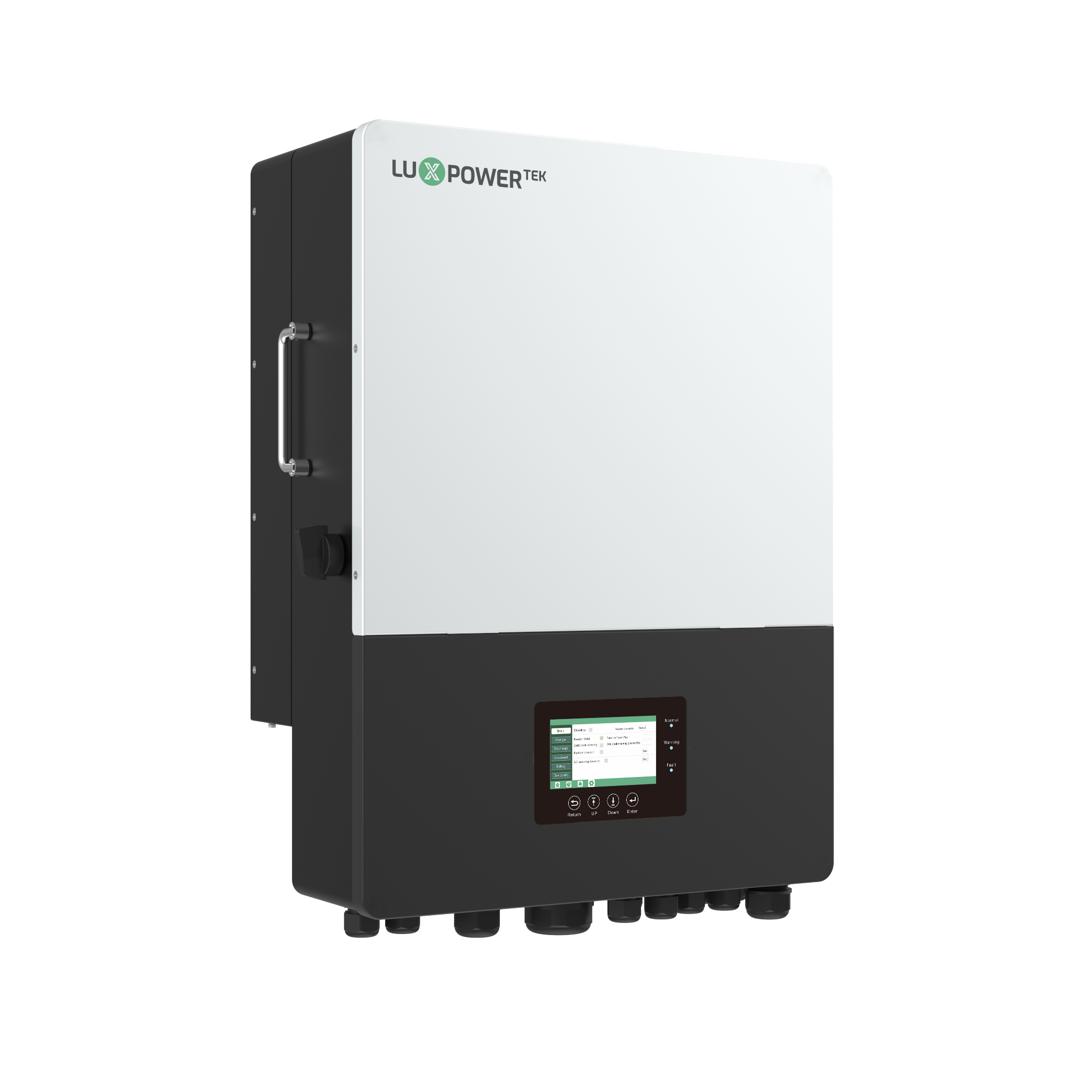
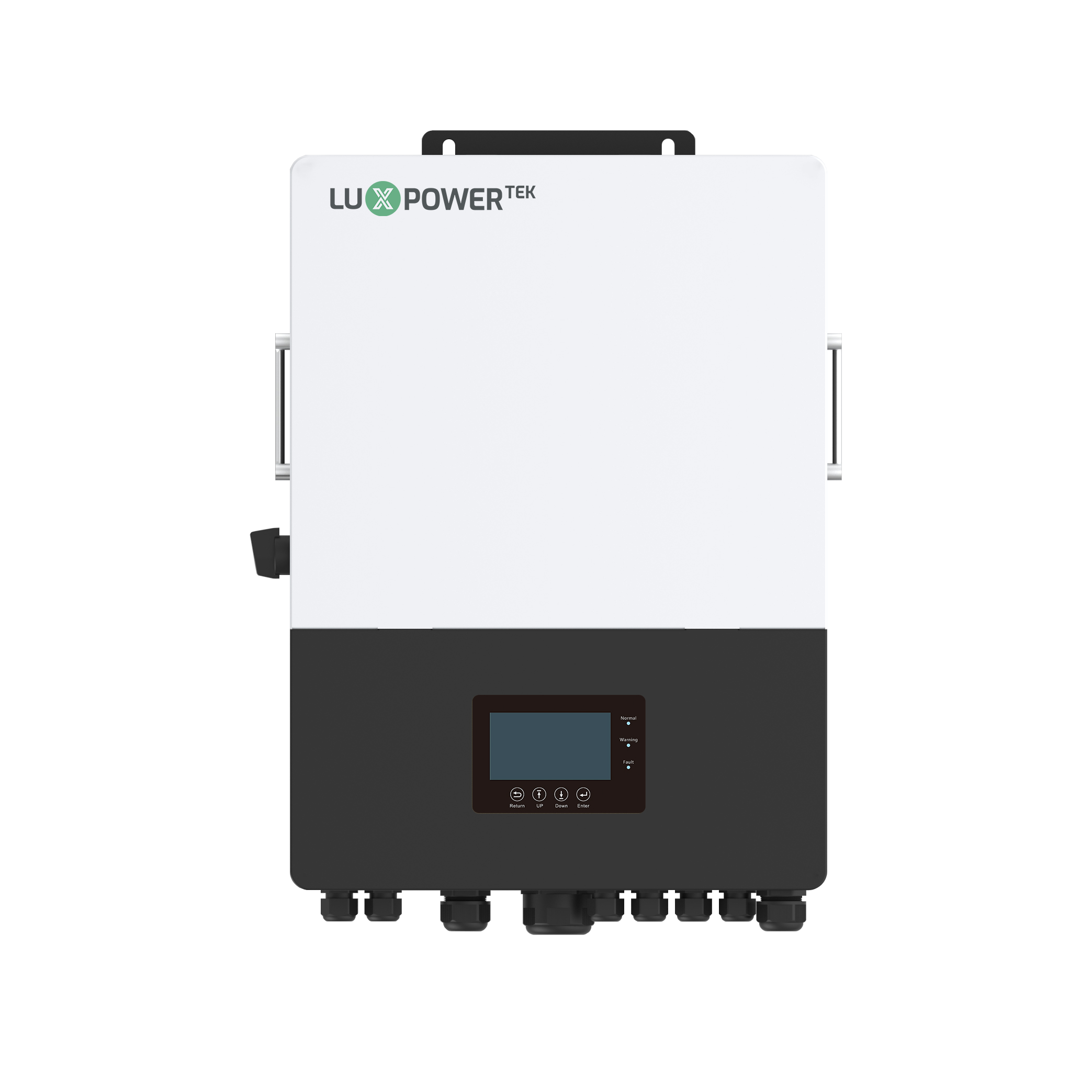
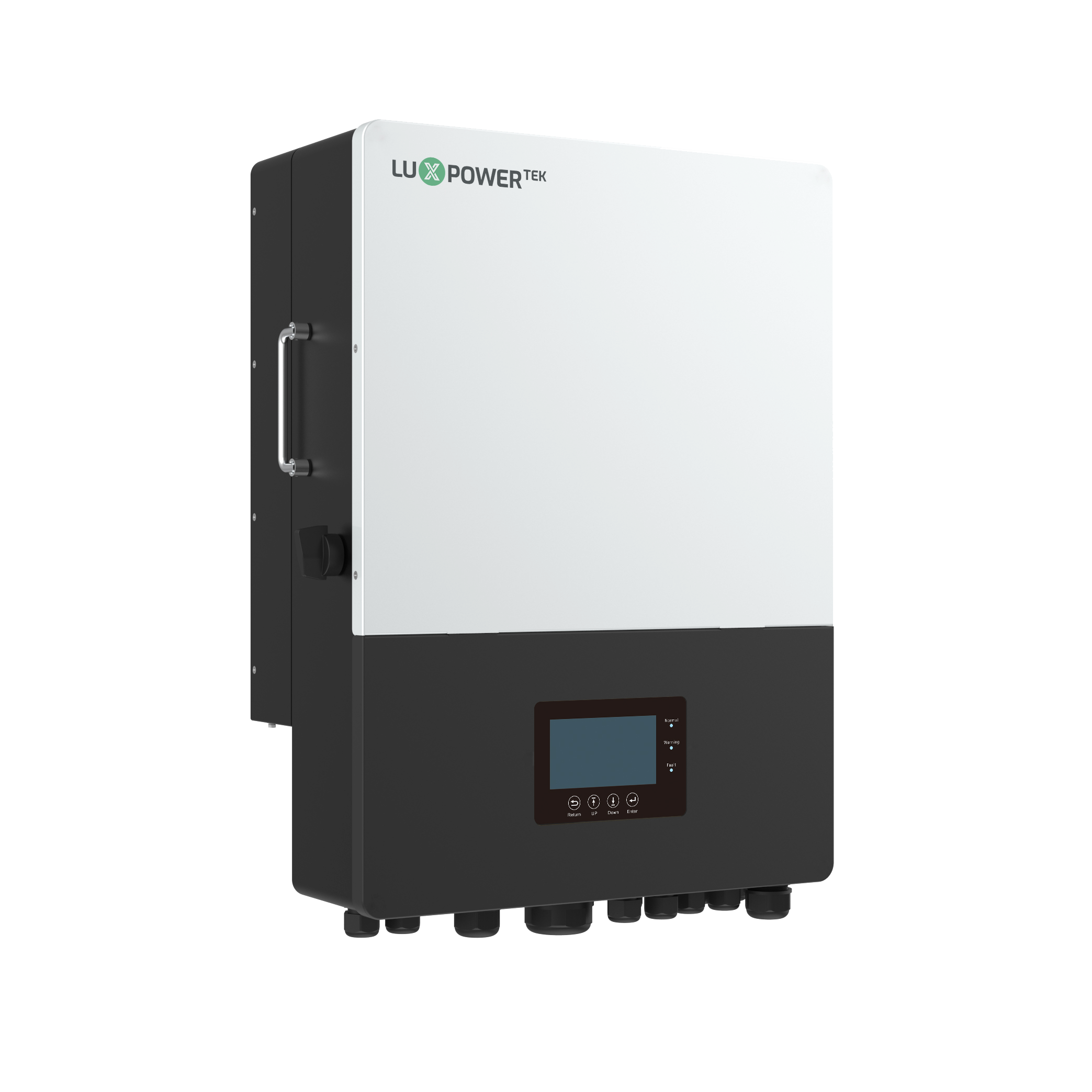
Product views help identify the supplied enclosure
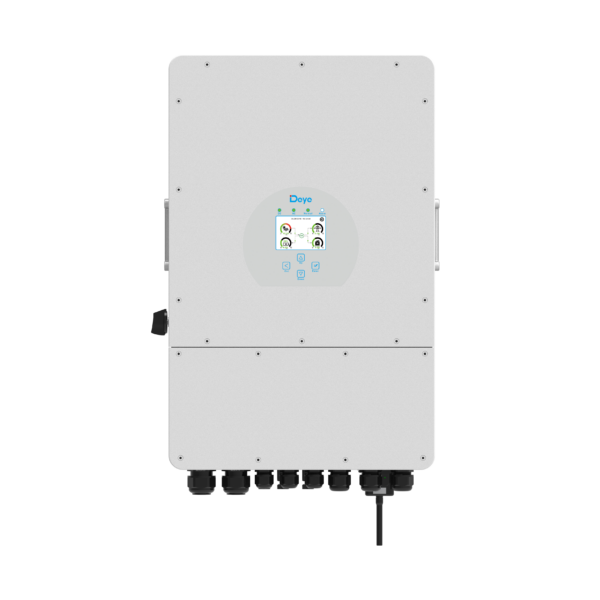
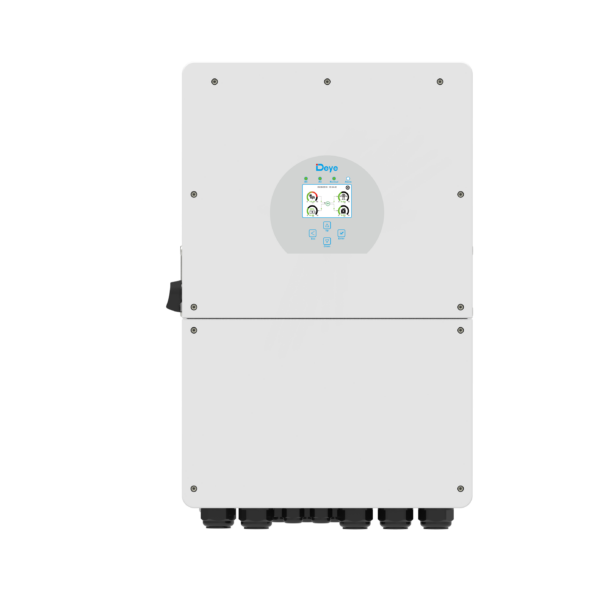
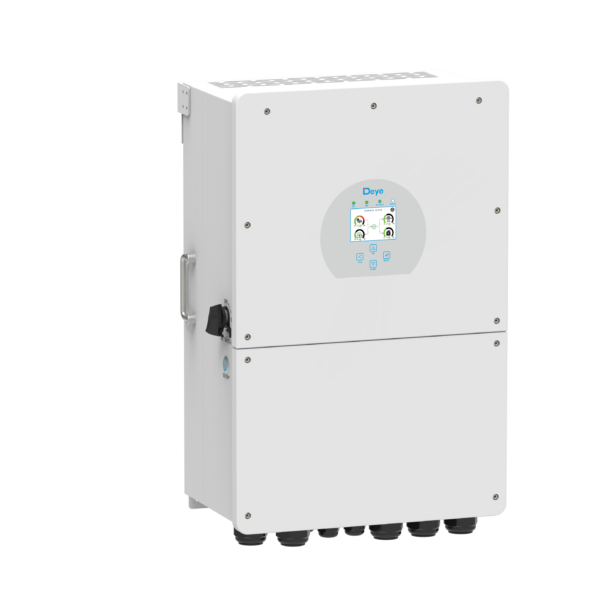
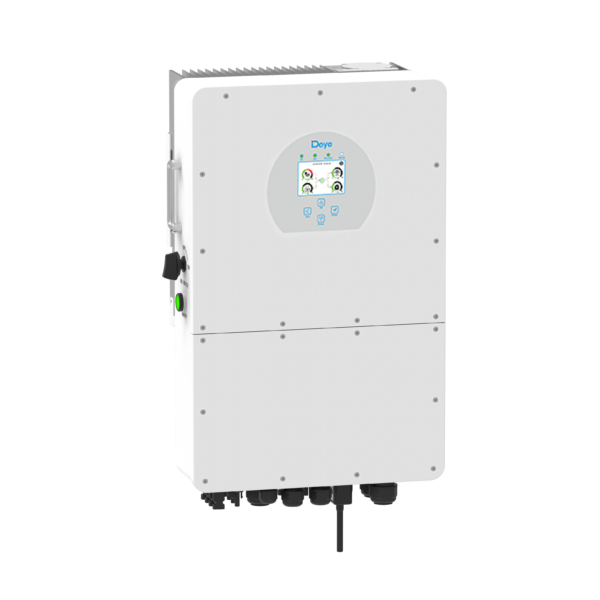
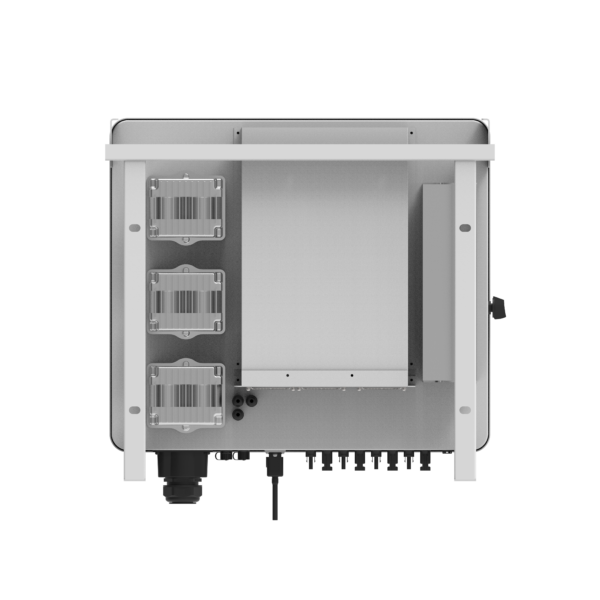
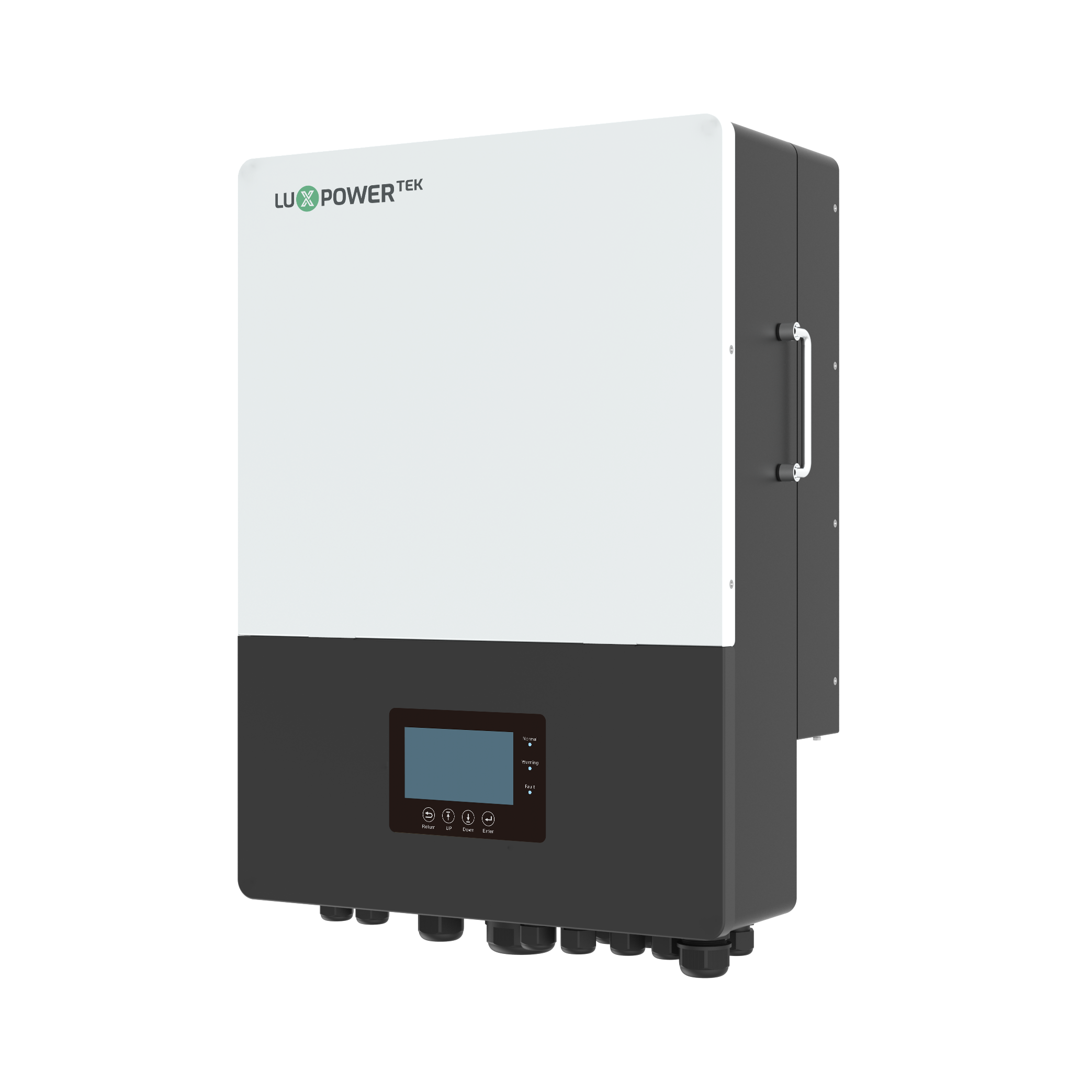
The photographs below focus on the LXP 12K unit and its connection area. Use these views for identification and access planning, while referring to the manufacturer installation manual for mounting, electrical connections and required clearances. A connection-area photograph is useful for understanding where service access will be needed, but it cannot show the complete protection and control arrangement required by a particular property.
Prepare an exact specification for the quotation
Keep LXP-LB-EU 12K, the hardware revision, the battery models and quantities, the panel arrangement and the intended extra-port function together in the specification. This avoids carrying a current or output figure from a different regional document into the installation. Solar Deity can then assess the requested inverter as part of a defined system instead of relying on the broad 12kW product name alone.