
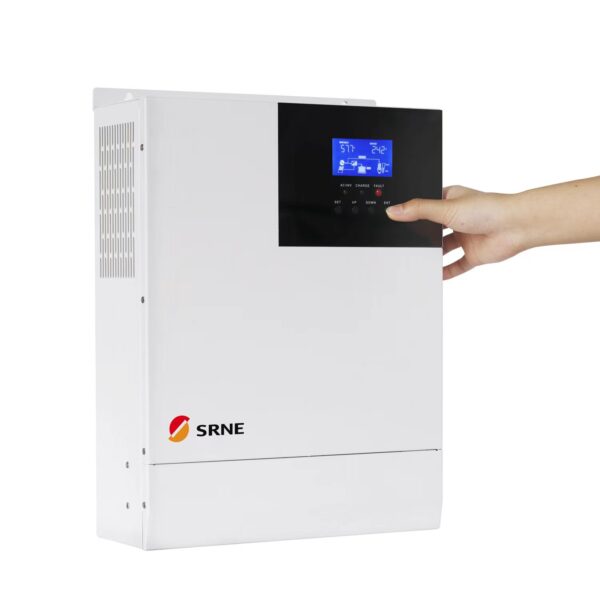
SRNE 3kW 24V Inverter — 60A Version
Original price was: R7,000.00.R5,500.00Current price is: R5,500.00.
The SRNE HF2430S60-100 combines a 3kW inverter with solar and AC battery charging for a 24V battery system. It is the 60A solar-charging version. Its relatively low PV voltage limit is an important distinction when planning the solar array: a string design intended for a high-voltage solar input cannot simply be transferred to this model.
SRNE 3kW 24V Inverter — 60A Version
The SRNE HF2430S60-100 combines a 3kW inverter with solar and AC battery charging for a 24V battery system. It is the 60A solar-charging version. Its relatively low PV voltage limit is an important distinction when planning the solar array: a string design intended for a high-voltage solar input cannot simply be transferred to this model.
A 24V system with a defined 3kW output
The inverter’s output rating and battery voltage describe different parts of the system. A compatible battery must meet both the voltage requirement and the current demanded by the chosen loads. As a simple scale comparison, 3,000W divided by 24V is 125A before accounting for conversion losses. This is not a cable-sizing instruction, but it explains why a battery selected only by its energy capacity may be inadequate for full-power operation.
The 100V PV limit changes panel selection
Maximum open-circuit voltage is a limit on the solar input, not the normal operating target. Panel open-circuit voltage varies with temperature, so the installer must check the cold-condition array voltage. Choosing panels only by their wattage can overlook this constraint. The 30–85V MPPT range is a separate operating specification and should also be checked against the intended array throughout expected conditions.
What the 60A figure means
The 60A specification refers to the adjustable solar-charging current into the battery system. It is not 60A of household AC output, and it does not mean any combination of panels is acceptable. Battery charging limits still apply. If a battery permits less current than the inverter can supply, the charging configuration must respect the battery rather than automatically selecting the maximum solar-charger setting.
Choose how charging supports the household
The referenced family provides solar-only, mains-priority, solar-priority and combined charging modes. The useful choice depends on whether the owner prioritises stored solar use or keeping a backup reserve ready. Discuss the preferred behaviour before commissioning. A system that routinely uses most of its battery overnight may need a different charging schedule from one that is kept primarily for interruptions.
Separate essential loads from high consumption
A 3kW class system benefits from a deliberate load list. Check running consumption and the starting behaviour of refrigeration, pumps or other motor loads. Simultaneously using several heating appliances can consume the available output quickly. Identify which circuits should remain supplied during an outage rather than treating the inverter rating as a promise to operate an unrestricted household.
Battery capacity determines the energy budget
The inverter does not include a battery simply because it has a battery charger. The chosen battery capacity determines how much stored energy is available, while reserve settings and conversion losses affect delivery to loads. Specify the battery separately in the quotation, including its model and supported communication or charging requirements. This also makes later expansion easier to assess accurately.
Use the photographed connections as an orientation aid
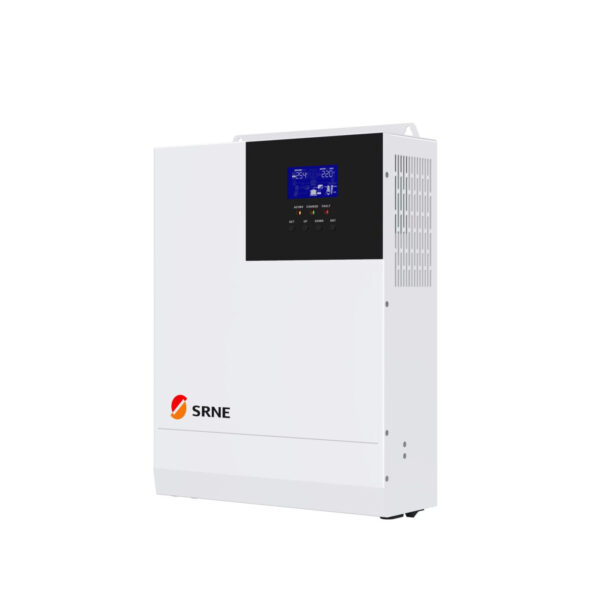
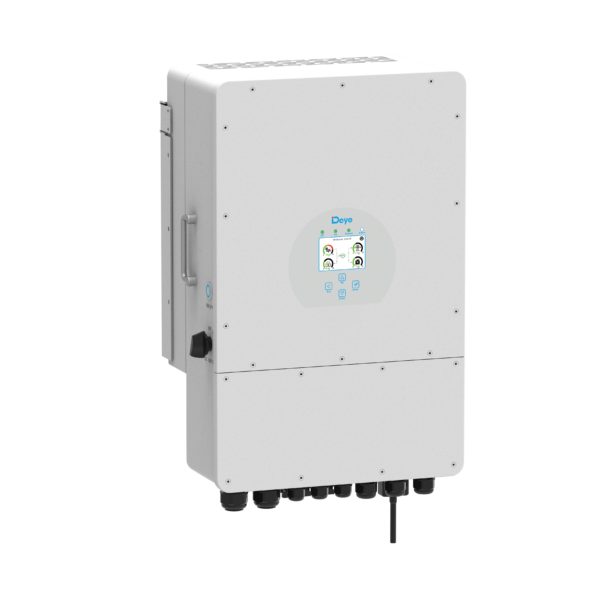
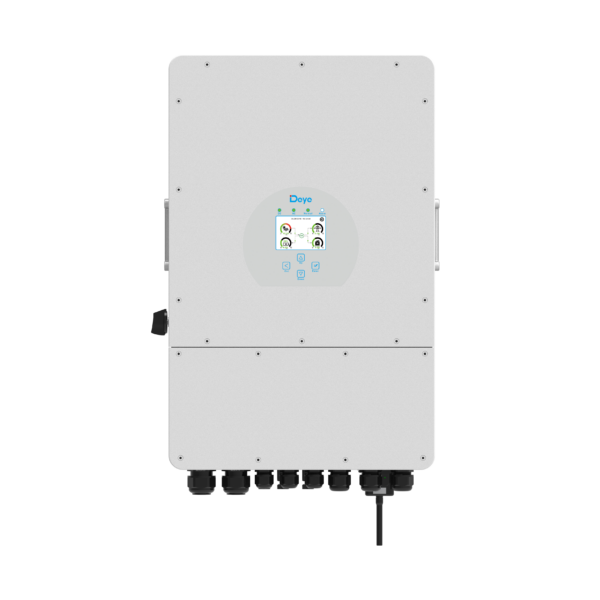
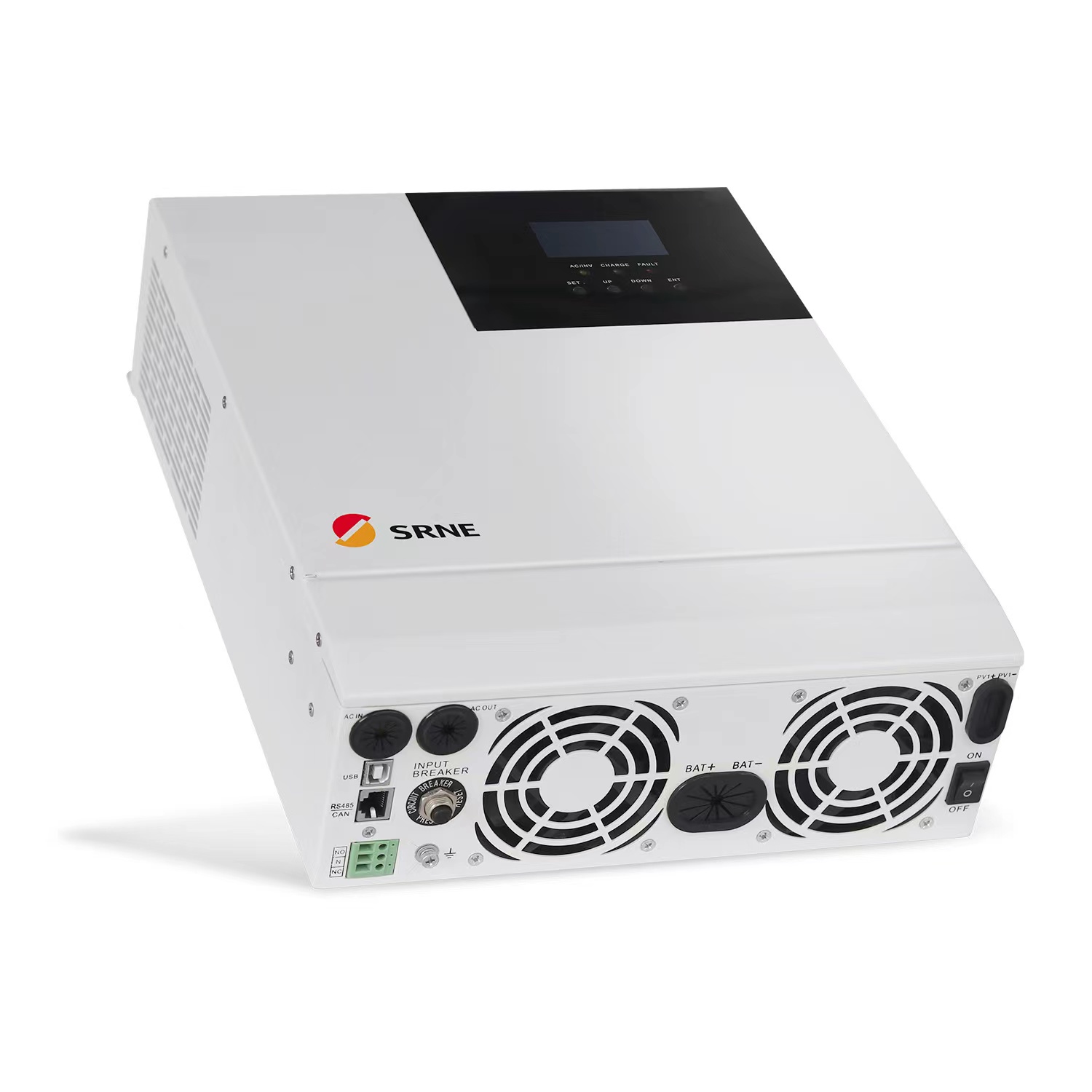
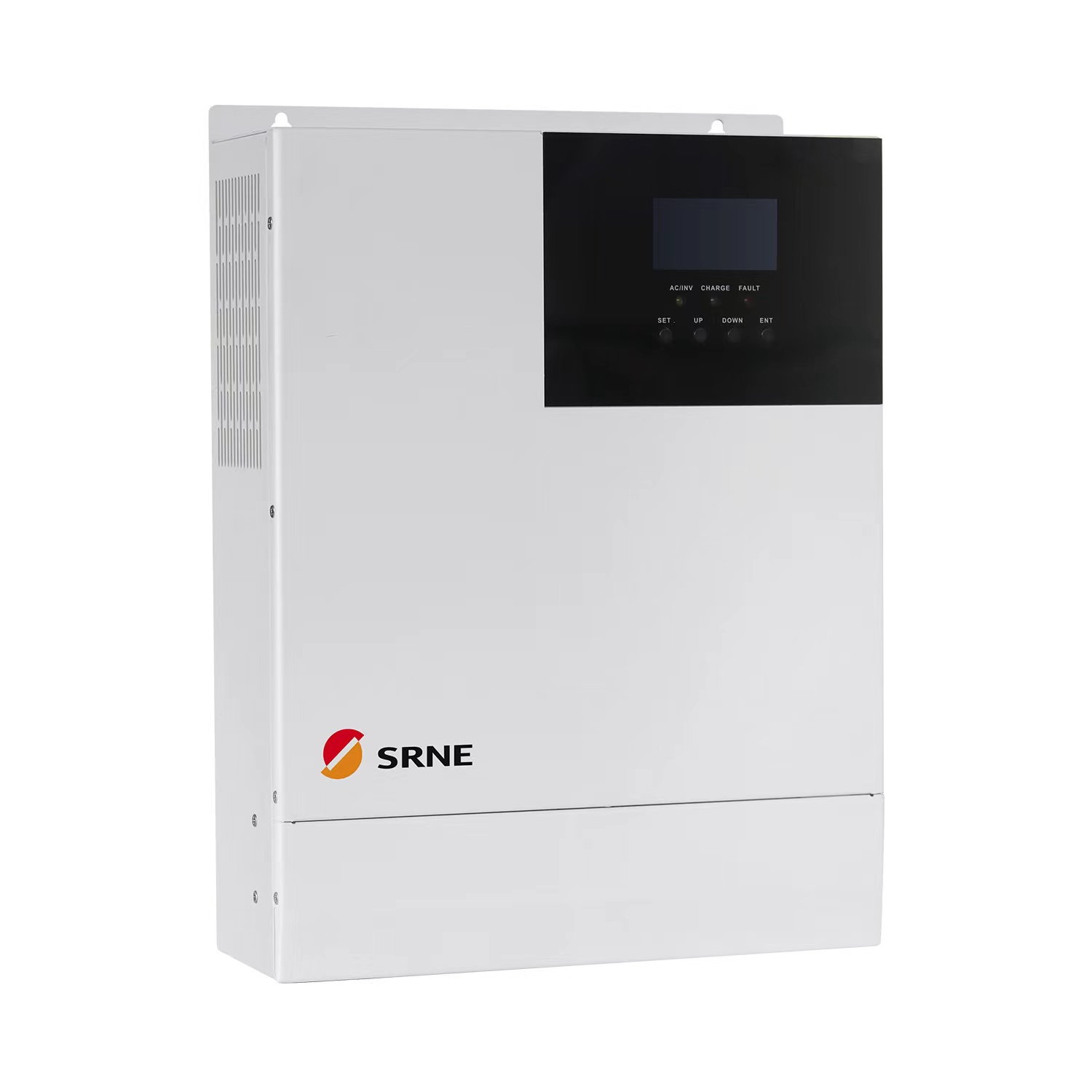
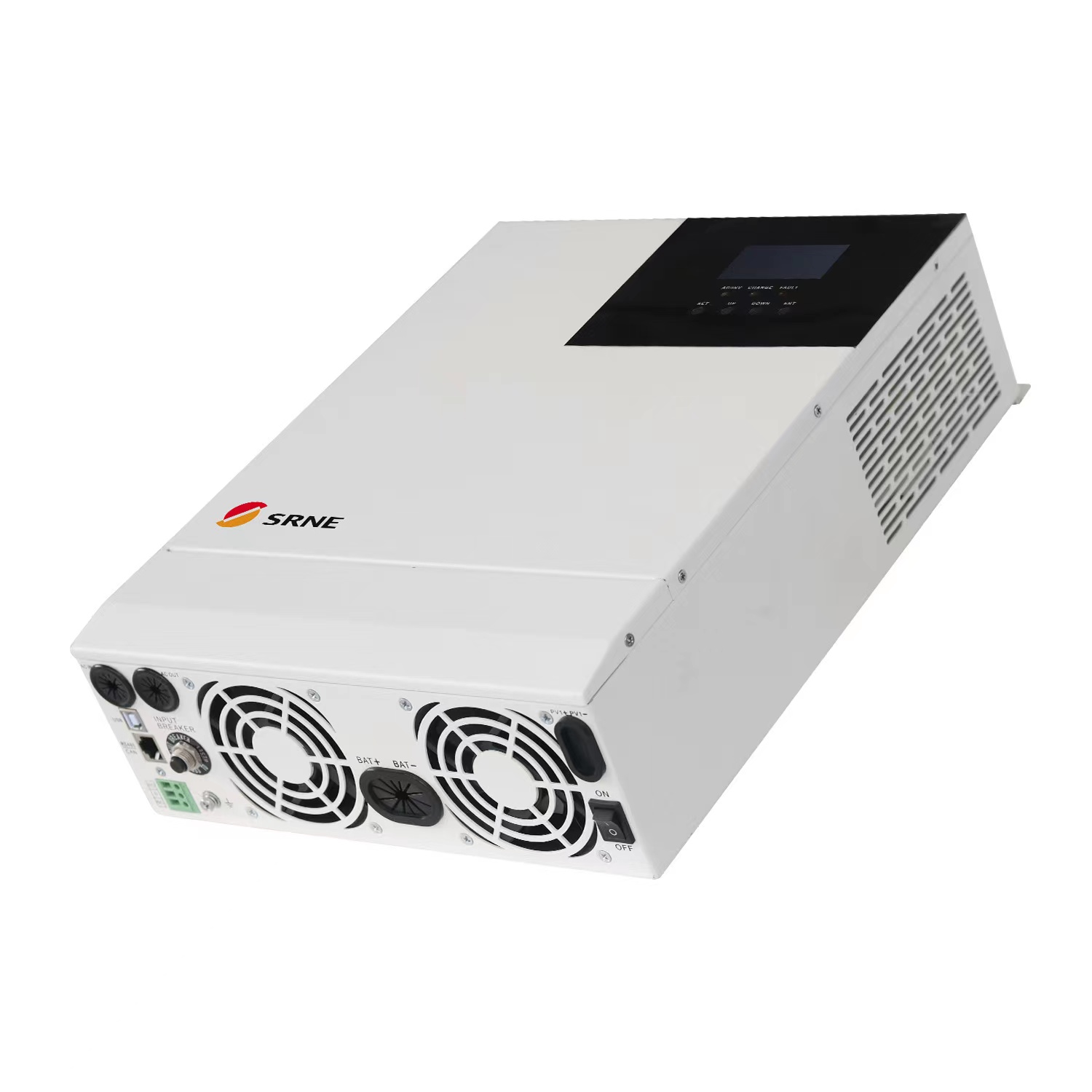
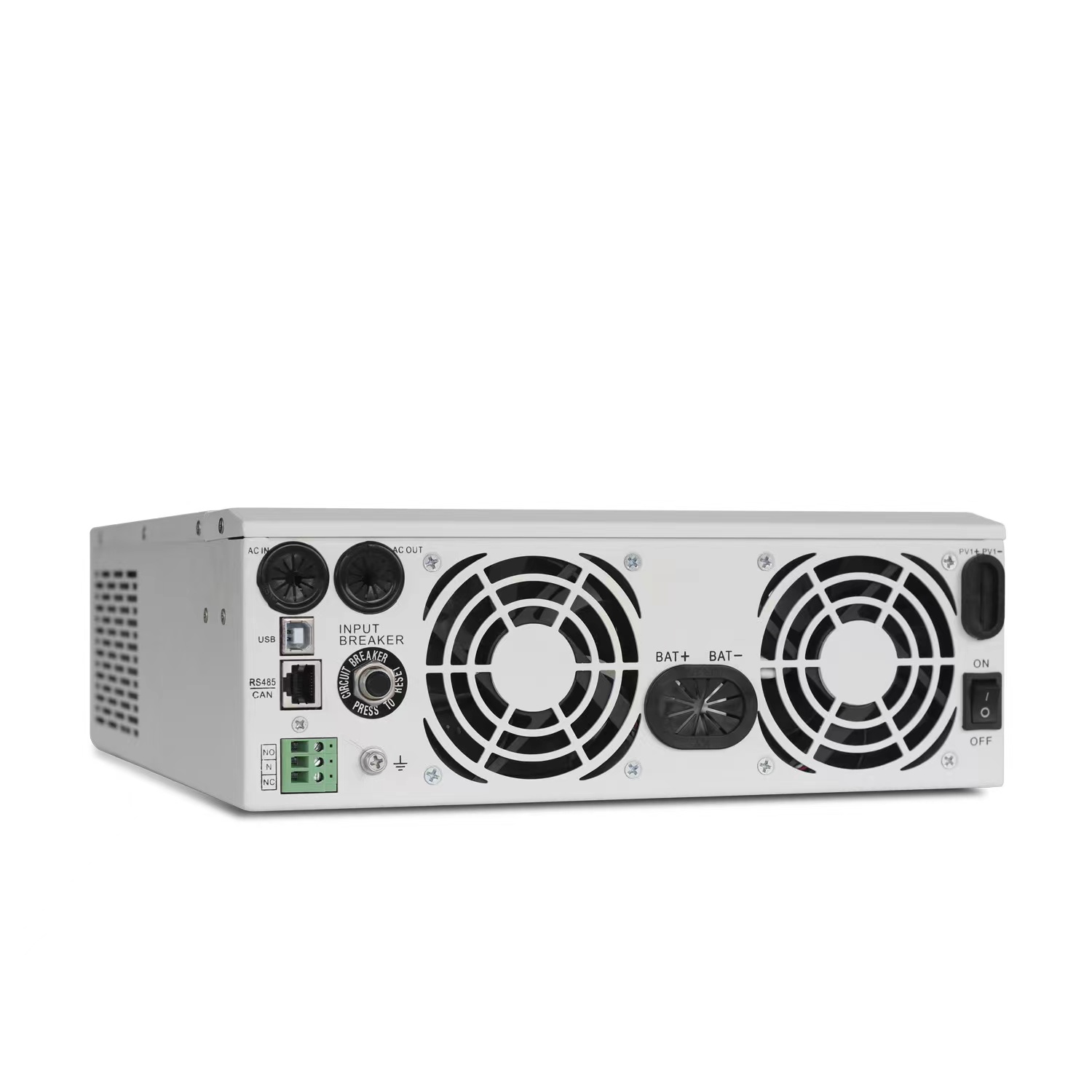
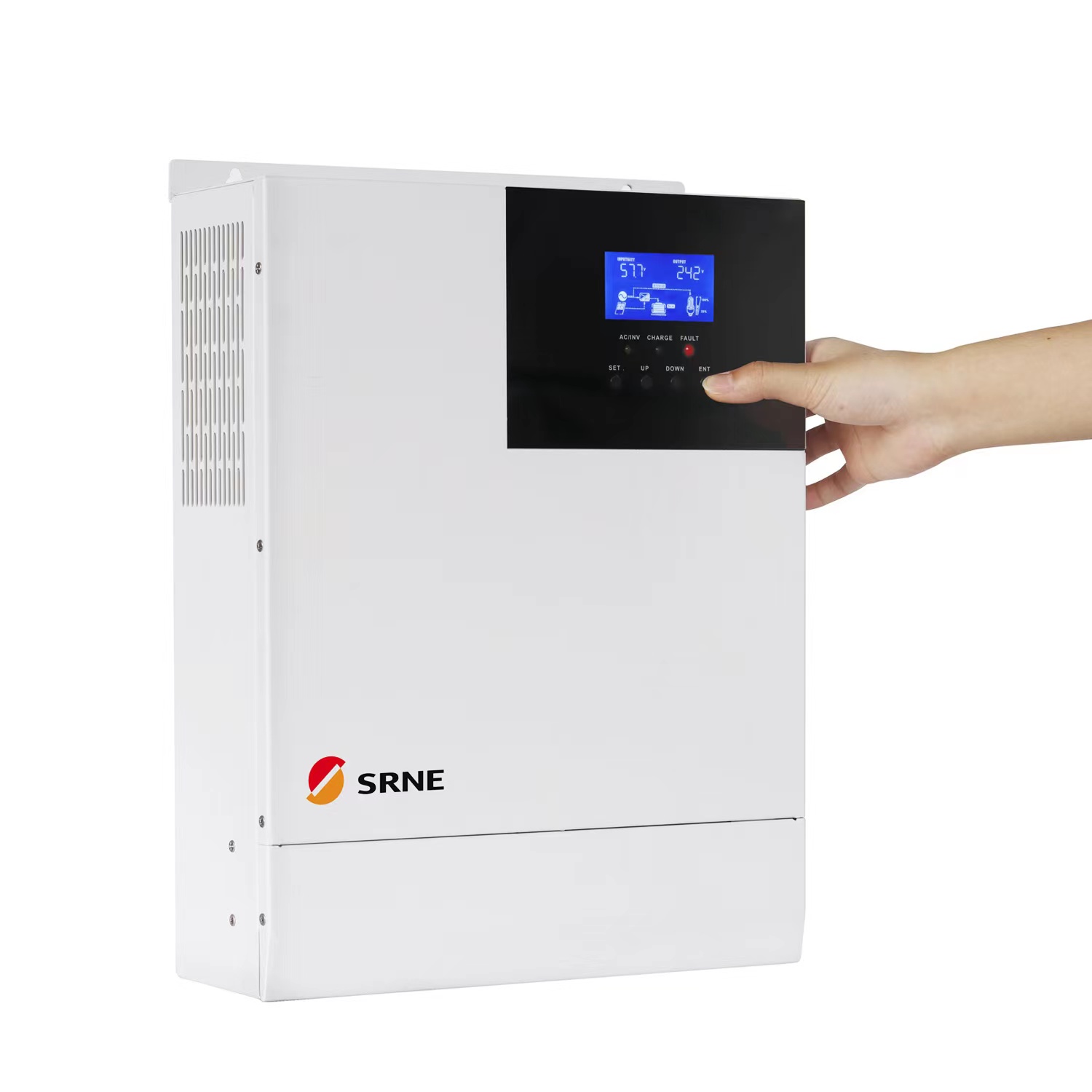
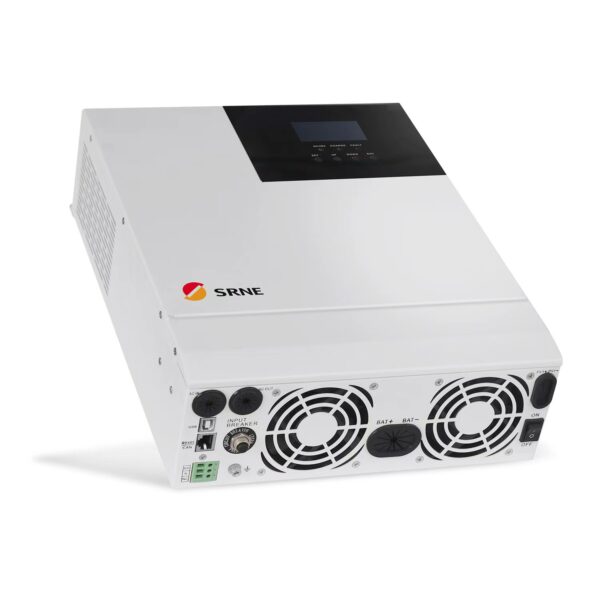
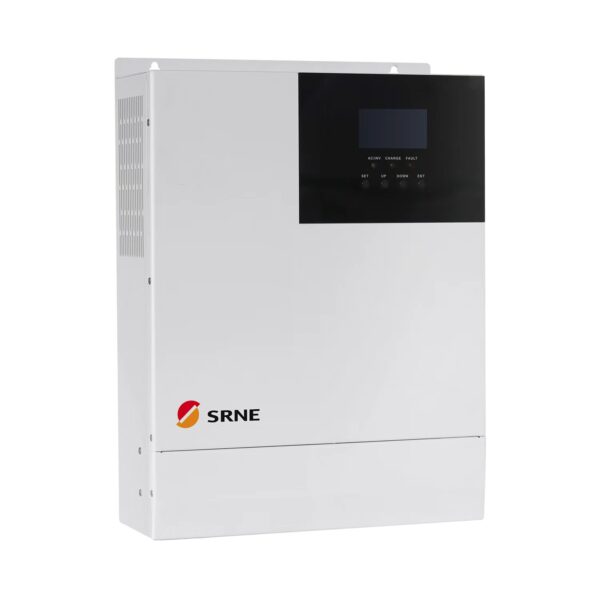
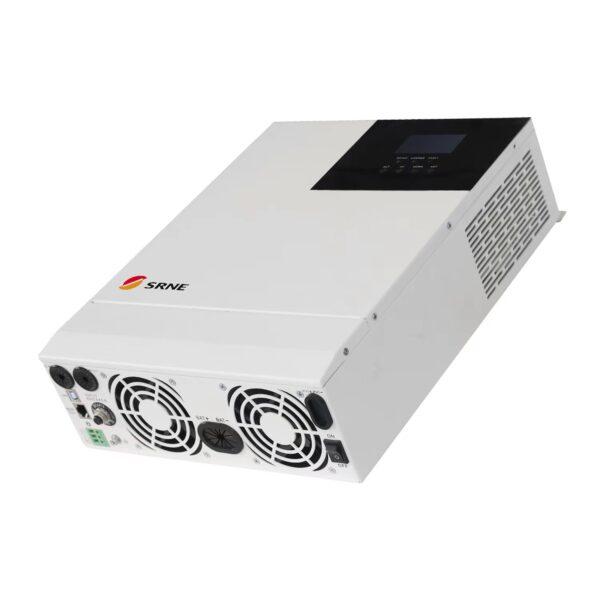
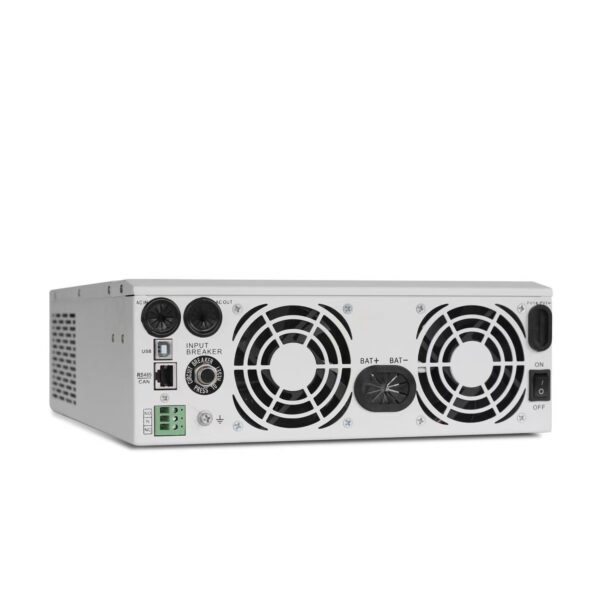
The product views below show the enclosure, display and connection area. They help plan access and identify the equipment, but the supplied manual controls installation. Leave the clearances required for ventilation and service. The charging equipment, battery connections and protective devices should be assessed together by the installer, especially where an older system is being upgraded.
Keep the exact suffix on the order
SRNE 3kW products can have different solar-input and charging specifications. Retain HF2430S60-100 on the quotation and installation records rather than describing the unit only as a 3kW inverter. This helps distinguish it from the 80A version and avoids borrowing a voltage limit or string configuration from a different model.