
In the field of solar energy, inverters are often referred to as the “heart” of the system, while photovoltaic modules are considered the “arms.” The performance of these arms directly affects the efficiency of energy conversion, making the role of inverters crucial. This article delves into the core technologies and market trends of solar inverters, providing a comprehensive overview of their evolution and future prospects.
-
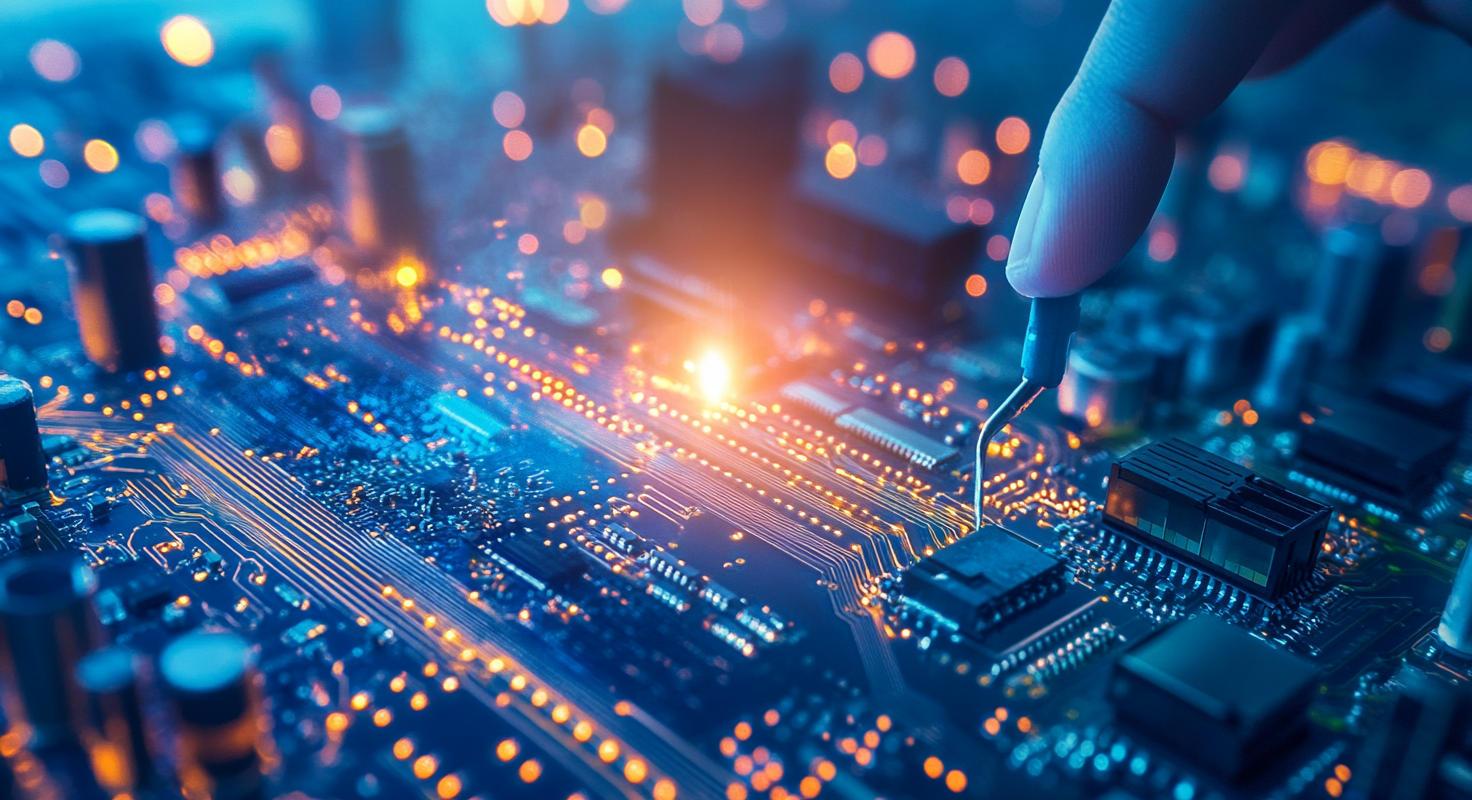
- Core Technologies of Solar Inverters:
- MPPT (Maximum Power Point Tracking): This technology optimizes the energy output by adjusting the operating point of the photovoltaic modules, improving efficiency by 5%-30%.
- LVRT (Low Voltage Ride Through): Ensures the inverter can continue operating during voltage dips, maintaining grid stability with a THD (Total Harmonic Distortion) of less than 1%.
- VSG (Virtual Synchronous Generator): Mimics the behavior of traditional synchronous generators, enhancing grid stability and supporting renewable energy integration.
- AI Integration: Utilizes artificial intelligence for predictive maintenance and performance optimization, achieving efficiency improvements of up to 95%.
- Core Technologies of Solar Inverters:

- Market Trends:
- 1980-2000: The initial phase saw the introduction of basic inverter technologies, with efficiency levels below 90%.
- 2000-2010: The adoption of MPPT technology became widespread, pushing efficiency levels to around 96%. Micro-inverters also began to emerge.
- 2010-2020: The industry saw the rise of 1500V systems and the integration of PLC (Programmable Logic Controller) technology, reducing LCOE (Levelized Cost of Energy) by 40%.
- 2020-Present: The focus has shifted to SiC (Silicon Carbide) based inverters, achieving efficiencies above 90% and paving the way for future advancements.
- Future Outlook:
- SiC and GaN Technologies: These materials are expected to drive further efficiency gains, with switching frequencies exceeding 100kHz and efficiencies reaching 99.5%.
- Grid-Forming Inverters: These inverters will play a crucial role in grid stability, especially with the increasing penetration of renewable energy sources.
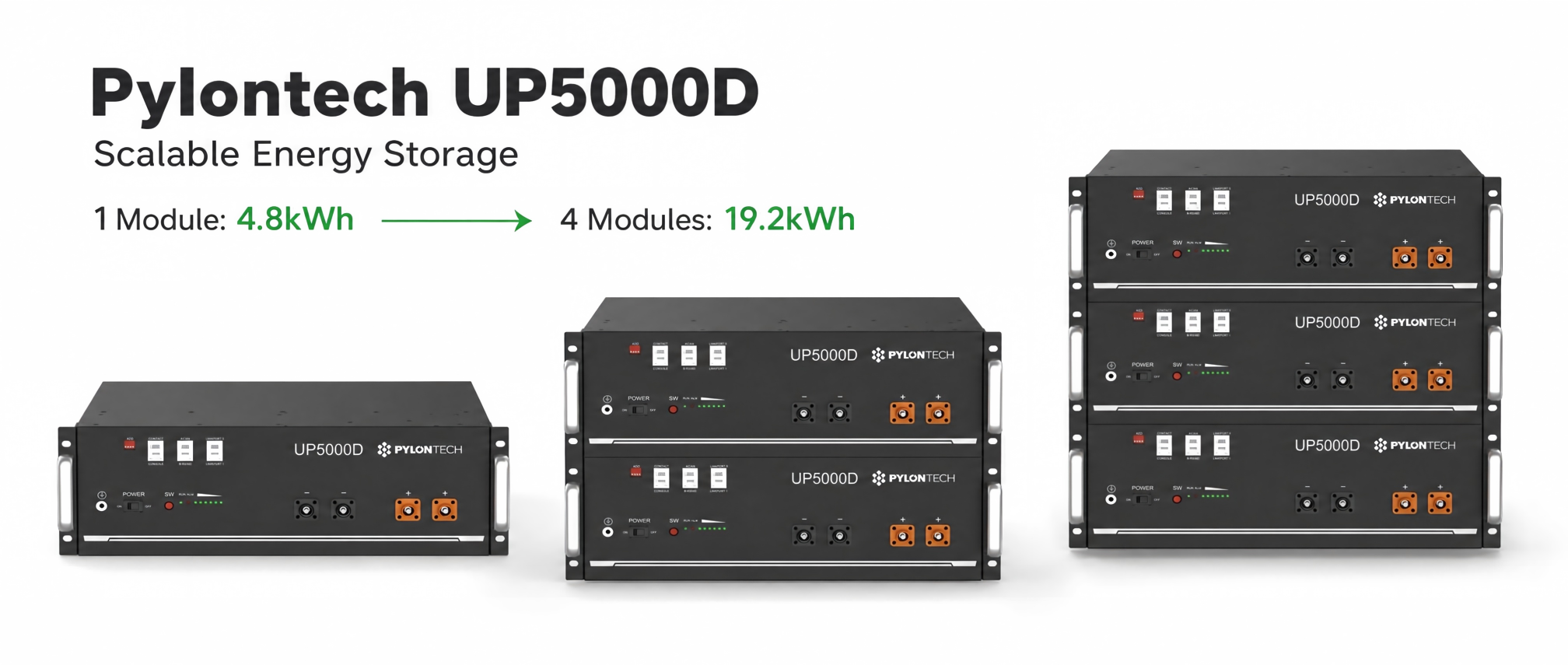
- Energy Storage Integration: The combination of inverters with energy storage systems will enhance grid flexibility and reliability.
By 2030, it is anticipated that solar inverters will achieve even higher efficiencies, with SiC-based technologies leading the way. The industry is also expected to see significant cost reductions, making solar energy more accessible and sustainable.
In conclusion, the evolution of solar inverters has been marked by continuous technological advancements and market adaptations. As we move towards a more renewable energy-driven future, inverters will remain at the forefront, ensuring efficient and reliable energy conversion.



Add comment