
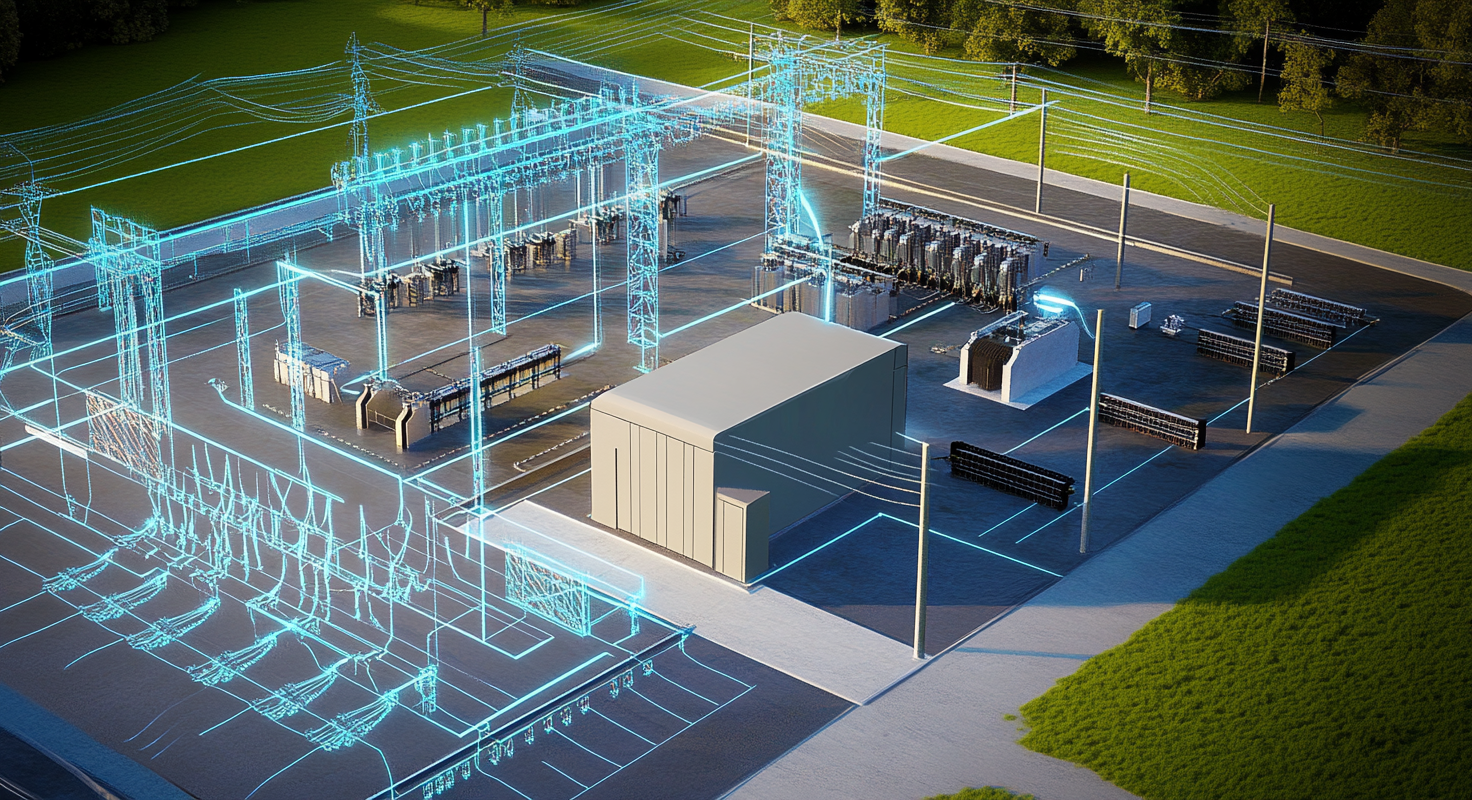
Key Insights and Technological Progress
- Demonstrated Capabilities of IBRs
- Battery Energy Storage Systems (BESS) have successfully black-started conventional generators, as shown in IEEE Smart Grid studies (Relevance: 0.82) [1].
- Voltage Source Converter (VSC)-based HVDC systems can energize large inductive loads (e.g., transformers, motors), though their current-limited nature requires strategic load segregation [1][2].
- Grid-forming inverters with virtual oscillator control show promise for decentralized black-start processes, enabling parallel restoration paths [3].
- Simulation-Based Validation
- NREL simulations using MATLAB/Simulink confirm that IBRs can black-start induction motors despite inherent current limitations. Behavioral models mimic inverter constraints, highlighting feasibility under controlled conditions [2].
- Optimal power system restoration frameworks suggest leveraging distributed inverter-based generation for faster, localized recovery [3].
- Advantages Over Traditional Systems
- Decentralization: Inverter-based resources (IBRs) enable parallel restoration, reducing dependency on centralized fossil-fuel plants [3][4].
- Renewable Integration: BESS and solar/wind hybrids offer sustainable alternatives to diesel generators [4][5].
- Resilience: Microgrids with IBRs enhance grid recovery during extreme outages [6].

Critical Challenges and Limitations
- Inrush Current and Voltage Management
- Cold-load pickup demands high inrush currents for transformers/motors, exceeding typical inverter capabilities [1][5].
- Voltage stability during transmission line energization remains a hurdle, especially in 100% variable IBR systems [5].
- Coordination and Control Complexity
- Synchronizing multiple grid-forming inverters in islanded microgrids risks instability due to control conflicts [7].
- Fault current mismatches during black start disrupt conventional protection schemes, requiring adaptive solutions [8].
- Technical and Operational Barriers
- Modeling Gaps: Existing grid models inadequately represent inverter dynamics during restoration [6].
- Scalability: Field-tested demonstrations are limited to small-scale systems; large-grid applicability is unproven [2][5].
Remaining Uncertainties and Research Gaps
- Interoperability Standards
- Lack of unified protocols for hybrid systems (e.g., BESS + solar + wind) complicates coordinated black-start sequences [3][5].
- Economic Viability
- Cost-benefit analyses of IBR-based black start versus traditional methods are sparse, particularly for long-duration outages [4].
- Long-Term Reliability
- Degradation of inverter components under frequent black-start cycles is poorly understood [9].
- Cybersecurity risks for decentralized, software-dependent systems remain unaddressed [6].
Future Directions and Recommendations
- Technology Development
- Enhance inverter current thresholds using hybrid topologies (e.g., paralleling IBRs with supercapacitors) [5].
- Standardize grid-forming controls to enable seamless multi-inverter synchronization [7].
- Policy and Collaboration
- Update grid codes to mandate black-start capabilities in new renewable installations [1][4].
- Foster public-private partnerships for real-world pilot projects, such as NREL’s DER-enabled restoration trials [6].
- Research Priorities
- Develop high-fidelity models for inverter-dominated cold-load pickup scenarios [2][5].
- Investigate adaptive protection schemes for mixed inverter-synchronous generator systems [8].
Conclusion
Inverter-based black start represents a paradigm shift in grid resilience, offering sustainable and decentralized recovery solutions. While BESS and grid-forming inverters have proven viable in controlled environments, challenges like inrush current management and control interoperability demand urgent attention. Collaborative research, updated standards, and large-scale demonstrations are critical to bridging these gaps. As renewable penetration grows, prioritizing IBR-enabled black start capabilities will be essential for building a future-proof grid.

References
- IEEE Smart Grid: Black-Start Using Renewable Energy Resources
- NREL: Blackstart of Power Grids with IBRs
- Optimal Black Start with Inverters
- Umbrex: Black Start Capability
- DOE: Challenges in 100% Inverter-Based Systems
- PNNL: Grid Blackstart Trends
- OSTI: Multi-Inverter Blackstart Challenges
- LinkedIn: Solar+BESS Blackstart Issues
- NREL: Inverter Technology Challenges

Related posts
1. Topic Objective Help end users make a safe first judgment when a battery system shows an... Continue reading
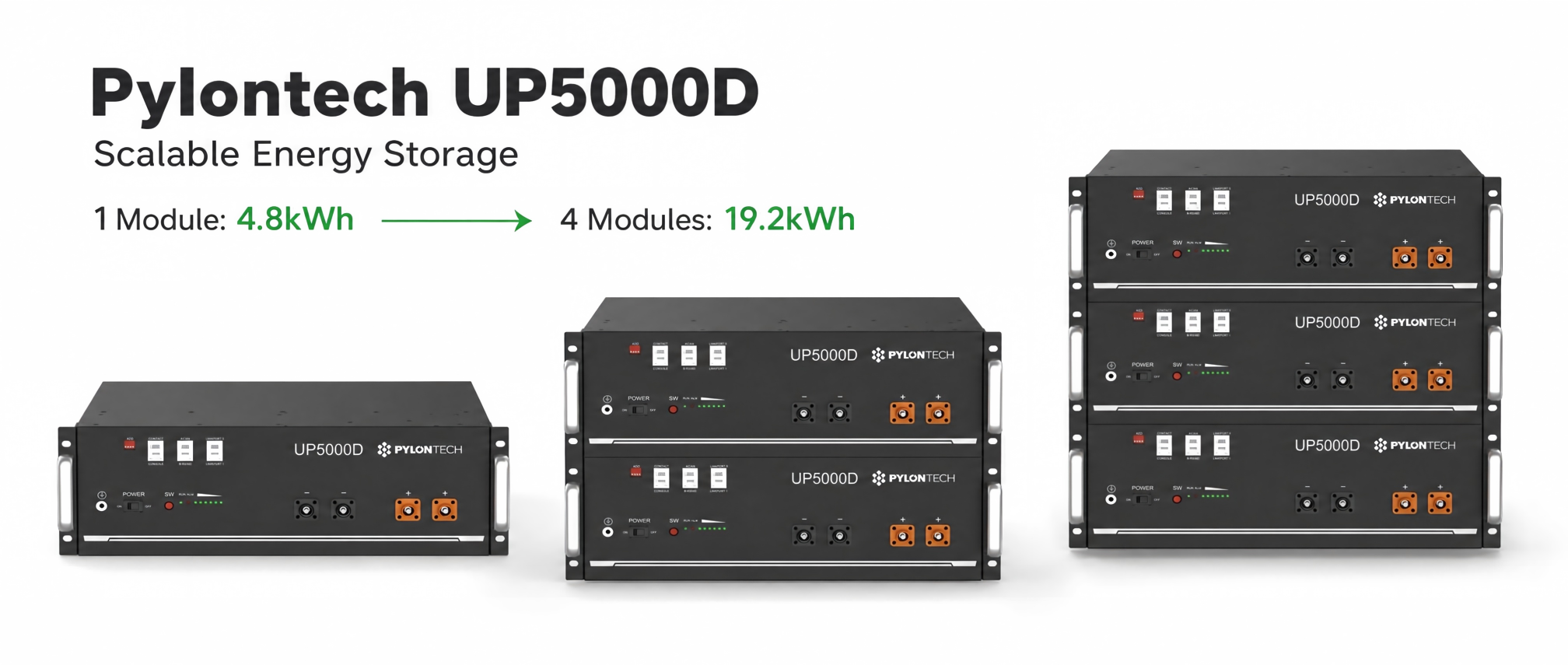
New-Generation Pylontech Battery Pylontech UP5000D vs UP5000 The Pylontech UP5000D is a new-generation 48V LiFePO4 battery developed... Continue reading
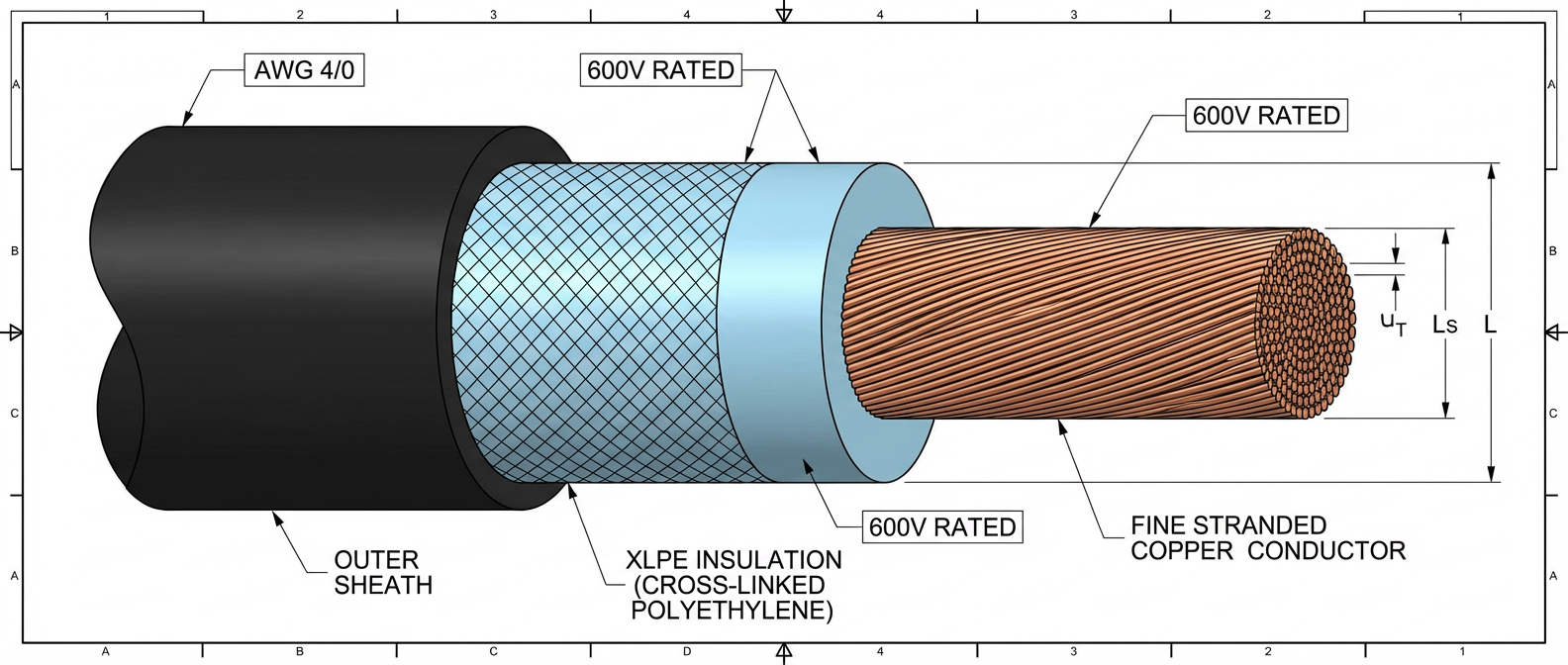
The selection of battery cables is a foundational aspect of designing safe, reliable, and efficient electrical systems,... Continue reading
Lithium-ion batteries are widely used in household devices such as smartphones, laptops, electric vehicles, and energy storage... Continue reading

Lithium-ion batteries (LIBs) have revolutionized modern energy storage systems due to their high energy and power densities,... Continue reading
Add comment