No products in the cart.
Return To Shop
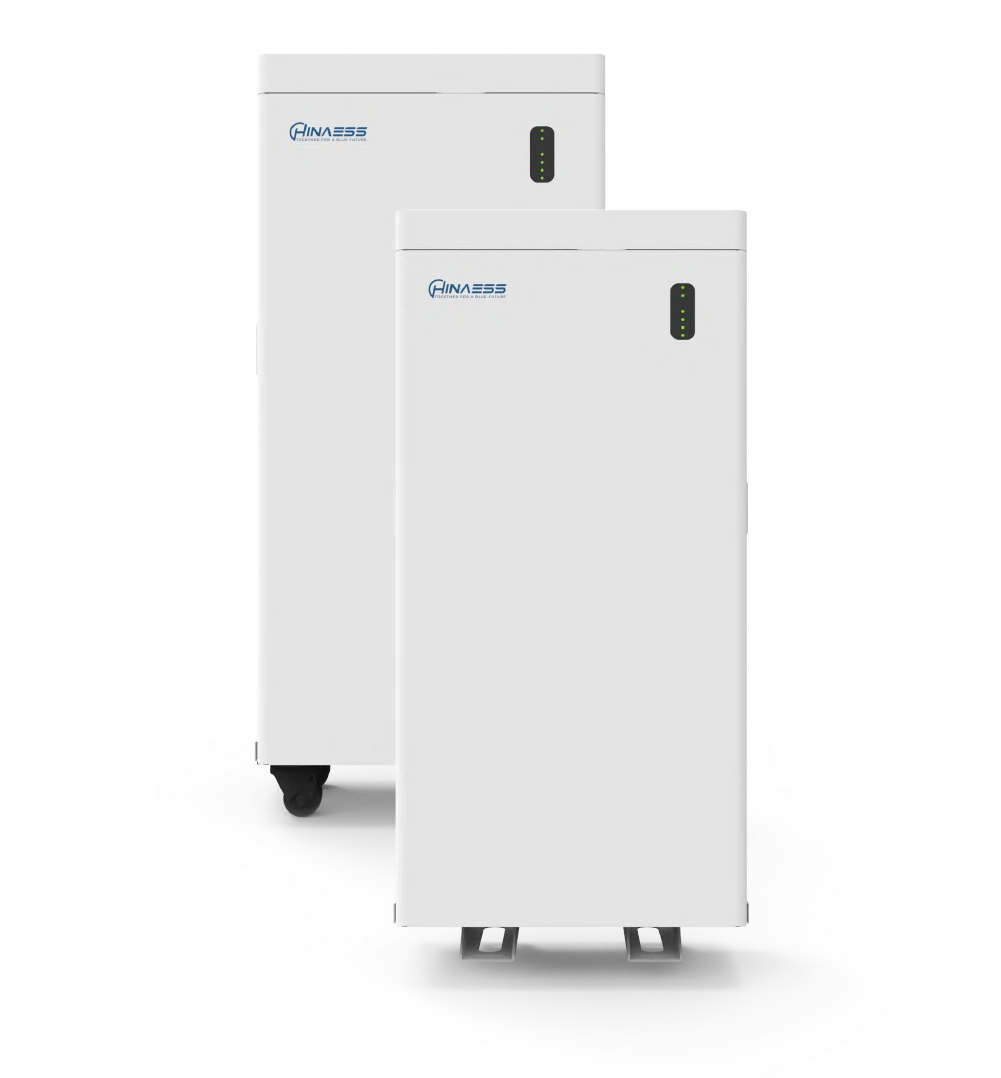
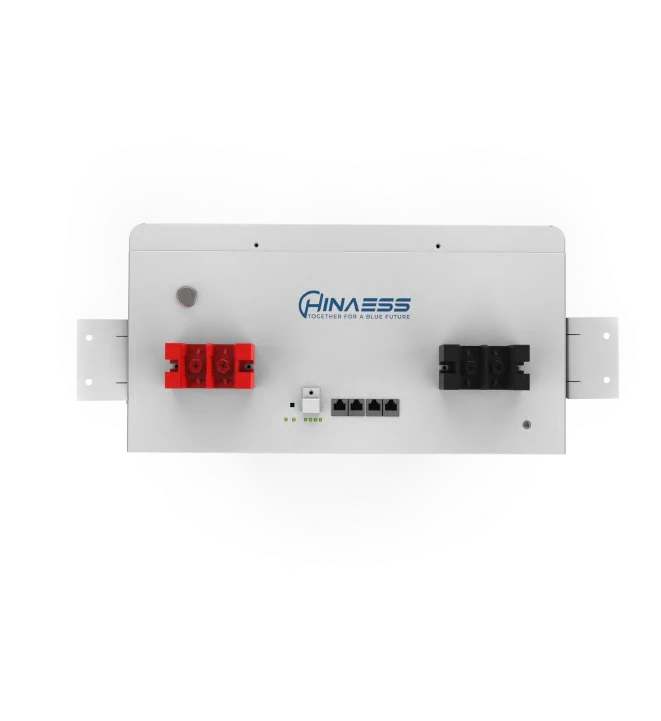
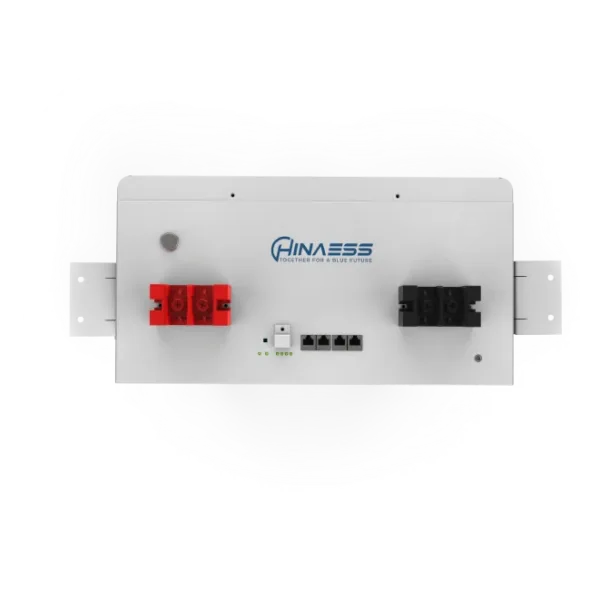
HinaESS PowerGem Max 16.076kWh LiFePO4 Battery
R30,950.00
HinaESS PowerGem Max combines 16.076kWh nominal energy with a 51.2V, 314Ah battery platform. The continuous charge limit is 160A and the continuous discharge limit is 200A. Keeping those two values separate helps the installer configure the inverter correctly.
HinaESS PowerGem Max 16.076kWh LiFePO4 Battery
- Nominal energy: 16.076kWh
- Nominal voltage: 51.2V
- Capacity: 314Ah
- Continuous charge current: 160A
16.076kWh storage with distinct charge and discharge limits
HinaESS PowerGem Max combines 16.076kWh nominal energy with a 51.2V, 314Ah battery platform. The continuous charge limit is 160A and the continuous discharge limit is 200A. Keeping those two values separate helps the installer configure the inverter correctly.
Installation and expansion options
The manufacturer describes stackable, floor-standing and wall-mounted arrangements, with parallel capability of up to thirty-five units. Wi-Fi / Bluetooth availability and optional heating are also identified in the reference. Match the mounting accessories and temperature options to the particular installation being ordered.
Energy capacity with separately defined current limits
PowerGem Max combines 16.076kWh nominal energy with a 51.2V, 314Ah platform. The listed continuous charge limit is 160A and the continuous discharge limit is 200A. Keeping those values distinct helps the installer develop a suitable charging schedule while assessing the battery’s contribution to the supported load.

Key details that shape the system design
Choose the right electrical platform
Nominal voltage: 51.2V
This figure is a starting point for matching equipment. The complete operating range, current capability and supported communication arrangement must also align. For a high-voltage battery module, the complete stack voltage is a separate design value.
Match the battery duty
Continuous discharge current: 200A
The current limit helps determine the storage bank and connection requirements. It should be checked alongside usable energy and the intended load; a suitable kWh figure alone does not establish the required power capability.
Read capacity alongside voltage
Capacity: 314Ah
Ampere-hours describe charge capacity at the stated voltage. For energy planning, use the separately specified kWh figure and account for reserve and losses; ampere-hours alone are not a complete comparison between different voltage platforms.
Designed around the way your system works
Turn stored energy into useful everyday support
Battery capacity describes the energy stored for later use. In a compatible solar system, daytime charging can support the property after sunset, while an allocated reserve can keep selected circuits operating during an interruption. A good selection starts with the actual evening and backup load profile rather than a promise of a fixed number of hours for every home.
Energy and power are separate considerations. A battery may have enough kilowatt-hours for a long period of modest demand but still require a carefully sized inverter and appropriate discharge-current capability to start or run larger appliances. Compare the model’s continuous current limits with the intended duty, not only with its headline capacity.
Understand nominal capacity and your reserve
Nominal energy is a useful basis for comparing battery sizes. The energy actually delivered to AC appliances also depends on the permitted charge window, the selected reserve, conversion losses, temperature and operating conditions. An installer may deliberately preserve some capacity for an unexpected outage rather than using the full available window every evening.
To explore a backup requirement, start with average load in kilowatts multiplied by the desired operating hours. That produces an energy requirement before losses and reserve. This approach makes it easier to discuss priorities such as refrigeration and lighting separately from discretionary heating or other high-demand equipment.
Compatibility is more than a matching voltage label
The inverter and battery must agree on their operating voltage range, current limits and communication method. Where a BMS link is used, the correct protocol, cable pinout and firmware combination matter. The manufacturer’s supported configuration takes precedence over a generic lithium-battery setting.
Expansion also needs a model-specific check. Matching energy capacities or similar enclosures do not establish that two batteries can be mixed. Review the existing battery model, age, firmware, supported parallel arrangement and protection equipment before adding capacity. This helps avoid choosing an expansion solely because its price or kilowatt-hour figure looks suitable.
Plan the physical installation as carefully as the capacity
A battery needs an installation position that supports its weight and the required service clearances. Mounting arrangements, environmental exposure and charging temperatures should follow the applicable manufacturer documentation. The final layout should leave cable connections and status indicators accessible to the installer.
At handover, retain the serial number, invoice, commissioned settings and applicable warranty documents. Familiarity with normal status indications and the monitoring arrangement makes it easier to notice a change in operation. Internal work, protection changes and battery reconfiguration should remain with qualified personnel.

Where this product fits
Evening self-consumption
Store suitable daytime surplus for later household or business demand in a compatible system.
Essential-load reserve
Allocate energy to a defined set of circuits and a planned reserve rather than assuming every appliance can run for the same duration.
Storage expansion
Assess an existing system’s model references, voltage, supported communication and expansion limits before adding another battery.
PowerGem Max technical specifications
| Manufacturer model | PowerGem Max |
|---|---|
| Nominal energy | 16.076kWh |
| Nominal voltage | 51.2V |
| Capacity | 314Ah |
| Continuous charge current | 160A |
| Continuous discharge current | 200A |
| Parallel capability | Up to 35 units |
Product documents & downloads
PowerGem Max — manufacturer specificationsSpecifications / product reference · English · 0.55 MB
Download PDFHinaESS PowerGem Max user manualUser manual · English · 2.98 MB
Download PDFYour questions about PowerGem Max
How much energy is available for the connected loads?
The listed nominal energy is 16.076kWh. Delivered AC energy also depends on the usable charge window, reserve setting, conversion losses and operating conditions. A runtime estimate therefore needs the average connected load, not only the nominal capacity.
What must match when selecting the battery or inverter?
Check the full operating-voltage range, charge and discharge limits, supported BMS communication and the approved equipment combination. The equipment references and firmware should be recorded together before commissioning or expansion.
What information helps Solar Deity recommend a suitable configuration?
Send the PowerGem Max reference together with your existing equipment models, intended application and load profile, required operating period and planned solar or storage capacity. Those details make the discussion more useful than a headline power or capacity figure alone.
Which document should I use for installation?
Use the applicable manufacturer installation or user manual for the exact model and hardware revision. The specification document in the download section supports product selection; a shared family document may cover several variants. Keep the selected model column and the equipment nameplate aligned when preparing the installation.
Plan your next step with Solar Deity
Bring together the right power, storage and operating strategy for your property. Share the PowerGem Max reference and your requirements so our team can help you evaluate a suitable configuration.
Discuss your system