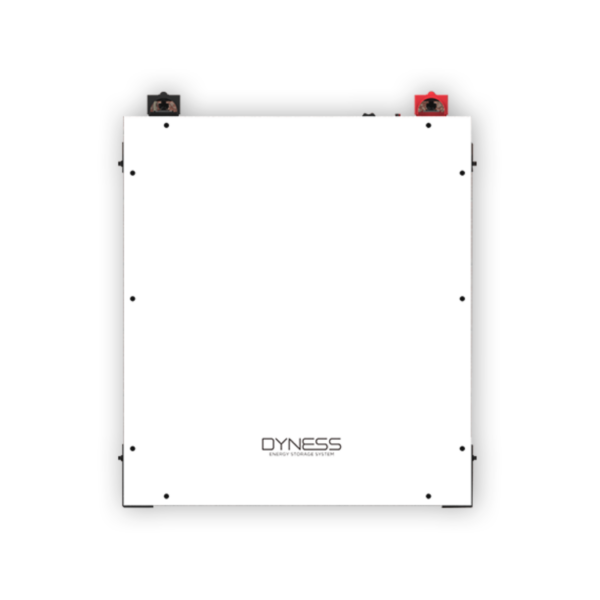

Dyness DL5.0C 5.12kWh LiFePO4 Solar Battery
Original price was: R20,800.00.R15,000.00Current price is: R15,000.00.
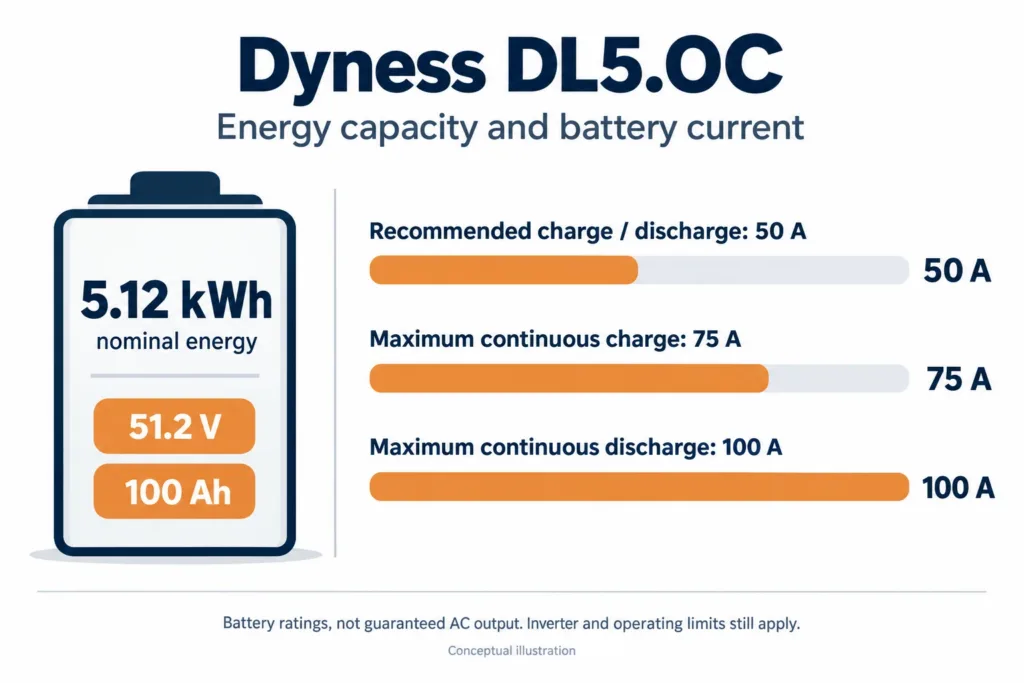
The Dyness DL5.0C is a low-voltage LiFePO4 battery with 5.12kWh nominal storage. Its 51.2V, 100Ah rating suits supported battery-inverter systems used to retain solar energy for later consumption or supply selected circuits during an outage. The important distinction for this model is its separate recommended, charging and discharging current ratings.
Dyness DL5.0C 5.12kWh LiFePO4 Solar Battery
The Dyness DL5.0C is a low-voltage LiFePO4 battery with 5.12kWh nominal storage. Its 51.2V, 100Ah rating suits supported battery-inverter systems used to retain solar energy for later consumption or supply selected circuits during an outage. The important distinction for this model is its separate recommended, charging and discharging current ratings.
Use the correct current for the job
Charging and discharging do not have the same continuous limit on the DL5.0C. The recommended 50A operating point is different from the maximum ratings. A charger configured from the discharge figure would therefore use the wrong reference. Your installer should select settings supported by the battery, inverter and the rest of the DC circuit rather than copying a single large number from an advertisement.
Understand 5.12kWh versus inverter power
Stored energy determines how much electricity is available over time. Inverter output determines how much AC load can be supplied at once. A 5.12kWh battery does not automatically provide 5.12kW at the sockets, and the maximum battery current does not remove inverter limits. This matters when a battery is paired with a larger inverter: the inverter nameplate alone cannot establish the capability of the complete system.
Prioritise the loads that need storage
For household backup, identify the circuits that justify using the stored energy. Refrigeration, communications and lighting create a different demand profile from water heating or electric cooking. For solar self-consumption, compare the evening energy requirement with daytime surplus generation. These two uses may need different reserve settings even when they use the same DL5.0C module.
Indoor placement and communication
The IP20 rating makes the installation location a real selection criterion. Use an appropriate indoor location in accordance with the manual, with access for service and the required clearances. Battery communication also needs to match the inverter model and its supported configuration; sharing a nominal voltage is not sufficient evidence of compatibility. Confirm the correct battery profile during commissioning.
Expanding an existing DL5.0C system
Before adding another module, identify the existing battery revision and review the manufacturer-supported arrangement. The number of batteries affects available energy, but the inverter, protection and connection hardware still set system limits. Do not mix specifications from a DL5.0, DL5.0C Pro or another similarly named product when assessing this DL5.0C listing.
What to check on the quotation
The battery model, module quantity and compatible inverter should be explicit. Installation hardware and labour should be identified separately where applicable so that the final system is clear. The technical table describes the battery, while actual backup duration depends on reserve settings, conversion losses, battery condition and the connected load. Refer to the manufacturer datasheet for the complete model specification.