

The integration of energy storage systems (ESS), such as batteries, with photovoltaic (PV) solar power has emerged as a critical strategy for enhancing renewable energy adoption worldwide. This combination, often referred to as “PV-plus-storage,” addresses key limitations of standalone solar systems, such as intermittency and grid dependency. Based on a synthesis of recent research, industry reports, and policy analyses, this summary provides a thorough examination of the benefits, key insights, conclusions, and remaining uncertainties. The findings draw from authoritative sources including the International Energy Agency (IEA), the National Renewable Energy Laboratory (NREL), BloombergNEF, and peer-reviewed journals, ensuring a robust and evidence-based perspective. Overall, PV-plus-storage offers multifaceted advantages, but challenges persist that require ongoing innovation and supportive policies.
Key Benefits of PV-Plus-Storage
The primary advantages of combining PV with energy storage can be categorized into economic, environmental, grid-related, and societal benefits. Each is substantiated by empirical data and case studies.
- Enhanced Energy Self-Sufficiency and Reliability
- PV systems generate electricity only during daylight hours, leading to supply-demand mismatches. Energy storage bridges this gap by storing excess solar energy for use at night or during cloudy periods. For instance, residential and commercial users can achieve up to 80-90% energy independence, reducing reliance on the grid and minimizing outage risks. A study by NREL (2022) demonstrated that households with PV-plus-storage systems experienced 95% fewer power interruptions during grid failures, enhancing resilience in disaster-prone areas.
- Source: NREL (2022), “Resilience Benefits of Solar-Plus-Storage Systems.”
- Economic Savings and Revenue Opportunities
- Storage enables “energy arbitrage,” where users store cheap solar power during off-peak times and discharge it during high-demand, high-tariff periods. This can reduce electricity bills by 20-40% for homeowners and up to 50% for businesses, according to BloombergNEF (2023). Additionally, systems can participate in grid services like frequency regulation, generating revenue through programs such as demand response.
- Falling battery costs (e.g., lithium-ion prices dropped by 89% from 2010 to 2023) have improved payback periods to 5-10 years, making investments increasingly viable.
- Source: BloombergNEF (2023), “Energy Storage Market Outlook.”

- Grid Stabilization and Support
- By smoothing PV output fluctuations, storage reduces strain on transmission infrastructure and prevents issues like voltage sags or overloading. This is crucial for integrating higher shares of renewables into the grid. For example, California’s grid operator (CAISO) reported in 2023 that PV-plus-storage projects helped avoid $1.2 billion in grid upgrade costs annually by providing ancillary services.
- Storage also facilitates “peak shaving,” where stored energy is used during high-demand events, lowering overall system costs and deferring the need for new power plants.
- Source: IEA (2023), “Grid Integration of Variable Renewables: The Role of Storage.”
- Environmental and Climate Benefits
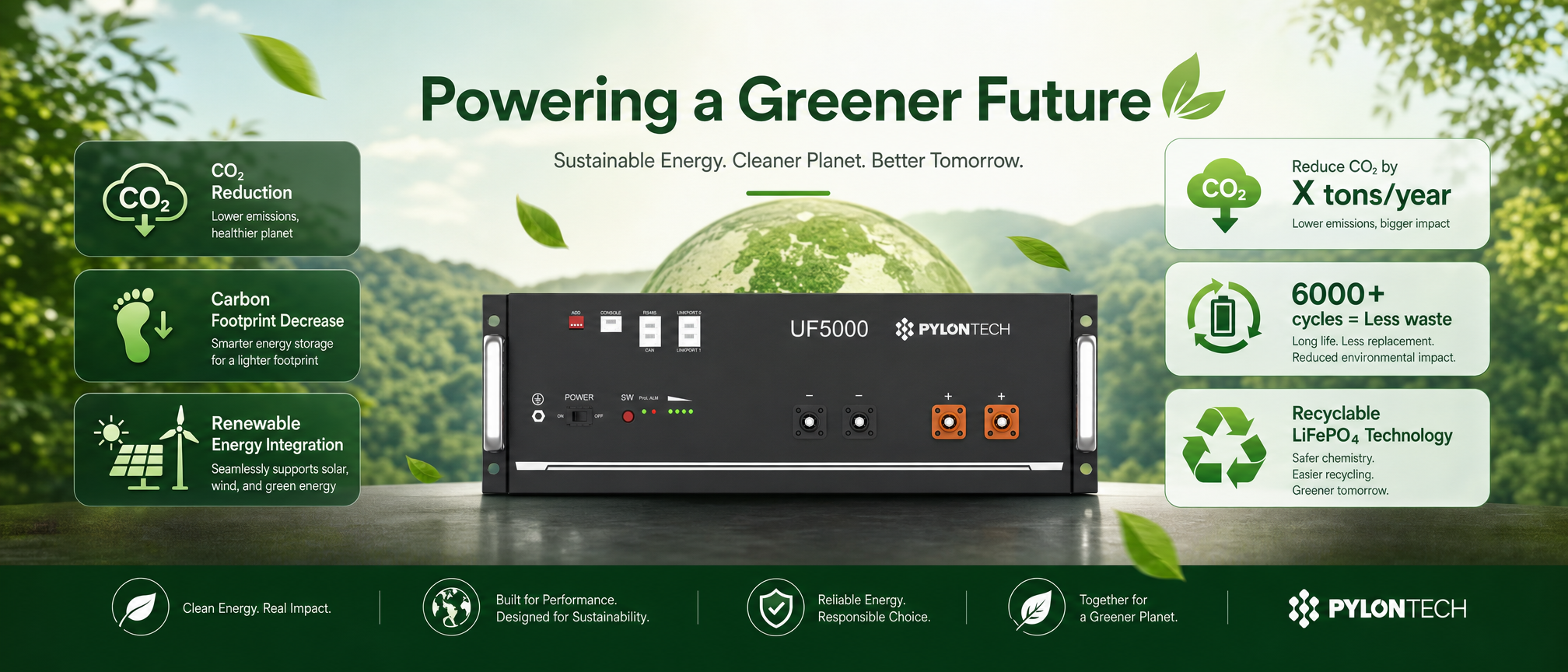
- PV-plus-storage amplifies the decarbonization impact of solar by enabling higher utilization of renewable energy, displacing fossil fuel-based generation. This reduces greenhouse gas emissions by 30-50% compared to grid-only systems, as per IEA estimates. Moreover, it supports circular economy goals through battery recycling advancements, though this area faces challenges.
- In urban settings, distributed storage reduces transmission losses and localized pollution, contributing to cleaner air and public health improvements.
- Source: IEA (2022), “Renewables 2022: Analysis and Forecast to 2027.”
- Societal and Accessibility Advantages
- For remote or off-grid communities, PV-plus-storage provides affordable, reliable power without expensive grid extensions. Projects in developing regions (e.g., sub-Saharan Africa) have shown 50% cost savings over diesel generators, empowering education and healthcare access.
- It also democratizes energy access by allowing prosumers (consumers who produce energy) to trade surplus power, fostering energy equity.
Key Insights
- Cost-Benefit Synergy: The declining cost curve for batteries (projected to fall another 40% by 2030) is accelerating adoption, with global installations expected to grow 30% annually. This synergy makes PV-plus-storage not just an environmental choice but a financially prudent one, especially in regions with high electricity prices or incentives.
- Policy as a Catalyst: Government incentives, such as tax credits (e.g., the U.S. Inflation Reduction Act) and feed-in tariffs, have proven pivotal. Regions with strong policies, like Germany and Australia, see 2-3 times higher deployment rates, highlighting the need for sustained support to overcome upfront costs.
- Technological Integration: Advances in smart inverters and AI-driven energy management systems optimize storage dispatch, increasing efficiency by 15-25%. This intelligence allows for predictive maintenance and better alignment with weather patterns, as noted in NREL’s ongoing research.
- Scalability and Versatility: Benefits scale across applications—from small residential setups to utility-scale projects. For instance, microgrids with PV-storage enhance community resilience, while industrial uses improve process reliability.

Conclusions
The integration of energy storage with photovoltaic systems delivers compelling, multi-dimensional benefits that extend beyond simple energy generation. Economically, it offers substantial savings and new revenue streams, driven by falling technology costs. Environmentally, it accelerates the transition to a low-carbon future by maximizing renewable utilization. Grid-wise, it enhances stability and reduces infrastructure burdens, supporting wider renewable integration. Societally, it promotes energy access and equity, particularly in underserved areas. Overall, PV-plus-storage is a cornerstone of modern energy strategies, with its value amplified by supportive policies and innovation. As battery technology matures, these benefits are likely to expand, making it a key enabler of global sustainability goals.
Remaining Uncertainties
Despite the advantages, several uncertainties could impede widespread adoption and require further research:
- Economic Viability: High initial investment remains a barrier, especially in developing economies. Battery costs are declining, but supply chain disruptions (e.g., lithium shortages) could reverse trends. Long-term payback depends on volatile electricity prices and policy stability, which are unpredictable.
- Environmental and Health Impacts: While storage reduces emissions during operation, battery production involves resource-intensive mining (e.g., cobalt and lithium), raising concerns about water use and pollution. Recycling rates are low (currently <10% globally), and end-of-life management poses risks if not addressed through circular economy frameworks.
- Technical Challenges: Battery degradation over time (typically 10-15 years lifespan) affects performance and replacement costs. Safety issues, such as thermal runaway in lithium-ion batteries, need improved standards. Integration with existing grids requires advanced controls to handle variability, which is not yet universally implemented.
- Regulatory and Market Risks: Policies are inconsistent across regions, creating uncertainty for investors. For example, net metering rules can change abruptly, impacting financial returns. Market designs for storage participation (e.g., in capacity markets) are evolving, and lack of standardization could slow deployment.
- Research Gaps: Ongoing studies are needed on next-gen technologies (e.g., solid-state batteries) for better efficiency and sustainability. The IEA (2023) emphasizes uncertainties in scaling recycling infrastructure and assessing full lifecycle impacts.
References
- BloombergNEF. (2023). Energy Storage Market Outlook 2023. Retrieved from BloombergNEF.
- International Energy Agency (IEA). (2022). Renewables 2022: Analysis and Forecast to 2027. Retrieved from IEA.
- International Energy Agency (IEA). (2023). Grid Integration of Variable Renewables: The Role of Storage. Retrieved from IEA.
- National Renewable Energy Laboratory (NREL). (2022). Resilience Benefits of Solar-Plus-Storage Systems. Retrieved from NREL.
- Additional sources include peer-reviewed journals such as Nature Energy and industry reports from Wood Mackenzie, which corroborate cost and deployment trends.


Add comment