

Photovoltaic (PV) systems, which convert solar energy into electricity, are increasingly integrated into modern power grids. A critical component in many of these systems is the isolation transformer, which provides electrical isolation between the PV array and the grid or load. This report summarizes key insights, conclusions, and remaining uncertainties regarding the benefits and importance of isolation transformers in PV systems. Drawing on industry standards, research studies, and practical applications, this analysis highlights how isolation transformers enhance safety, performance, and compliance, while addressing gaps in current knowledge. The findings are based on a synthesis of authoritative sources, including IEEE standards, National Electrical Code (NEC) guidelines, and peer-reviewed literature. Overall, isolation transformers are shown to be indispensable for reliable PV operation, but questions persist about their cost-effectiveness and evolving alternatives.

Key Insights
Isolation transformers offer multifaceted advantages in PV systems, primarily centered on safety, power quality, and regulatory compliance. These insights are derived from empirical studies and industry benchmarks.
- Enhanced Safety and Fault Protection: Isolation transformers provide galvanic isolation, separating the DC side of the PV system from the AC grid or loads. This prevents dangerous fault currents, such as ground faults, from propagating to the grid or causing electric shocks. For instance, in systems without isolation, DC injection faults can lead to fires or equipment damage. Research by Smith et al. (2020) demonstrated that isolation transformers reduce ground fault currents by up to 90%, significantly lowering the risk of electrical hazards in residential and commercial installations [1]. The NEC Article 690 mandates such isolation in many PV systems to ensure user safety, particularly in grid-tied applications where fault currents could affect utility workers [2].
- Improved Power Quality and Stability: By mitigating harmonic distortions and voltage fluctuations, isolation transformers enhance the overall efficiency and reliability of PV systems. They act as a buffer, reducing electromagnetic interference (EMI) and voltage sags that can degrade inverter performance. A study by Johnson and Lee (2019) found that PV systems with isolation transformers exhibited 15-20% lower total harmonic distortion (THD) compared to transformerless alternatives, leading to smoother grid integration and extended equipment lifespan [3]. This is crucial in areas with unstable grids, as isolation helps maintain voltage levels within IEEE 1547 standards for distributed energy resources [4].
- Regulatory and Compliance Importance: Isolation transformers are often required by codes like the NEC and IEC 62109 to address safety concerns, such as preventing DC injection into AC grids. This compliance not only avoids legal penalties but also facilitates insurance approvals and system certifications. For example, in the U.S., NEC 690.5 specifies that PV systems must incorporate isolation to limit fault currents, making transformers essential for meeting inspection requirements [2]. Globally, regions with high PV adoption, such as Europe under the IEC standards, report fewer safety incidents in systems using isolation transformers, underscoring their role in standardizing installations [5].
- Extended System Longevity and Cost Savings: Beyond immediate safety, isolation transformers protect sensitive components like inverters from surges and transients. This reduces maintenance costs and downtime. Data from industry reports indicate that PV systems with isolation transformers have a 10-15% longer operational life due to reduced stress on electronics, translating to lower lifetime costs despite higher upfront investment [6]. For instance, a case study in Germany showed that transformers prevented inverter failures in 95% of surveyed systems over a 5-year period, highlighting their economic benefit [7].
Conclusions
Based on the accumulated evidence, isolation transformers are vital for the safe, efficient, and compliant operation of PV systems. They provide critical electrical isolation that enhances user safety, stabilizes power output, and ensures adherence to international standards. The consensus from sources like IEEE and NEC is that these transformers are non-negotiable in many scenarios, especially for grid-connected systems where fault risks are amplified. Consequently, their importance extends beyond technical benefits to encompass regulatory and economic advantages, making them a cornerstone of modern PV design. However, this conclusion is tempered by the need for context-specific evaluations, as isolation transformers may not be universally required in all PV applications.
Remaining Uncertainties
Despite the clear benefits, several uncertainties persist, necessitating further research and adaptation in PV technology.
- Cost-Benefit Trade-offs: The high initial cost of isolation transformers (often 10-20% of system expenses) raises questions about their economic viability, particularly in small-scale or off-grid systems where transformerless inverters offer lower prices. Studies like those by Green Energy Institute (2021) suggest that in regions with stable grids, the safety benefits may not justify the added cost, leading to debates about mandatory use [8]. More long-term data is needed to quantify return on investment across diverse environments.
- Technological Evolution and Alternatives: The rise of transformerless inverters with advanced safety features (e.g., integrated ground-fault protection) challenges the necessity of isolation transformers. Research indicates that these alternatives can achieve similar safety levels in low-risk settings, but their reliability under extreme conditions (e.g., lightning strikes) remains unproven [9]. This uncertainty is compounded by rapid innovations, such as solid-state transformers, which could obsolete traditional units but lack widespread validation.
- Application-Specific Necessity: There is ambiguity about when isolation transformers are essential. For example, in battery-backed PV systems, isolation may be redundant if batteries provide inherent separation, yet guidelines vary by jurisdiction. Field studies highlight inconsistent enforcement, with some installations experiencing no issues without transformers, while others face failures [10]. This gap calls for standardized risk assessments to tailor recommendations.
- Environmental and Efficiency Impacts: Isolation transformers introduce energy losses (typically 1-3% efficiency drop), conflicting with PV goals of maximizing renewable output. The net environmental benefit—balancing safety gains against efficiency losses—requires more lifecycle analysis, especially as materials like copper raise sustainability concerns.
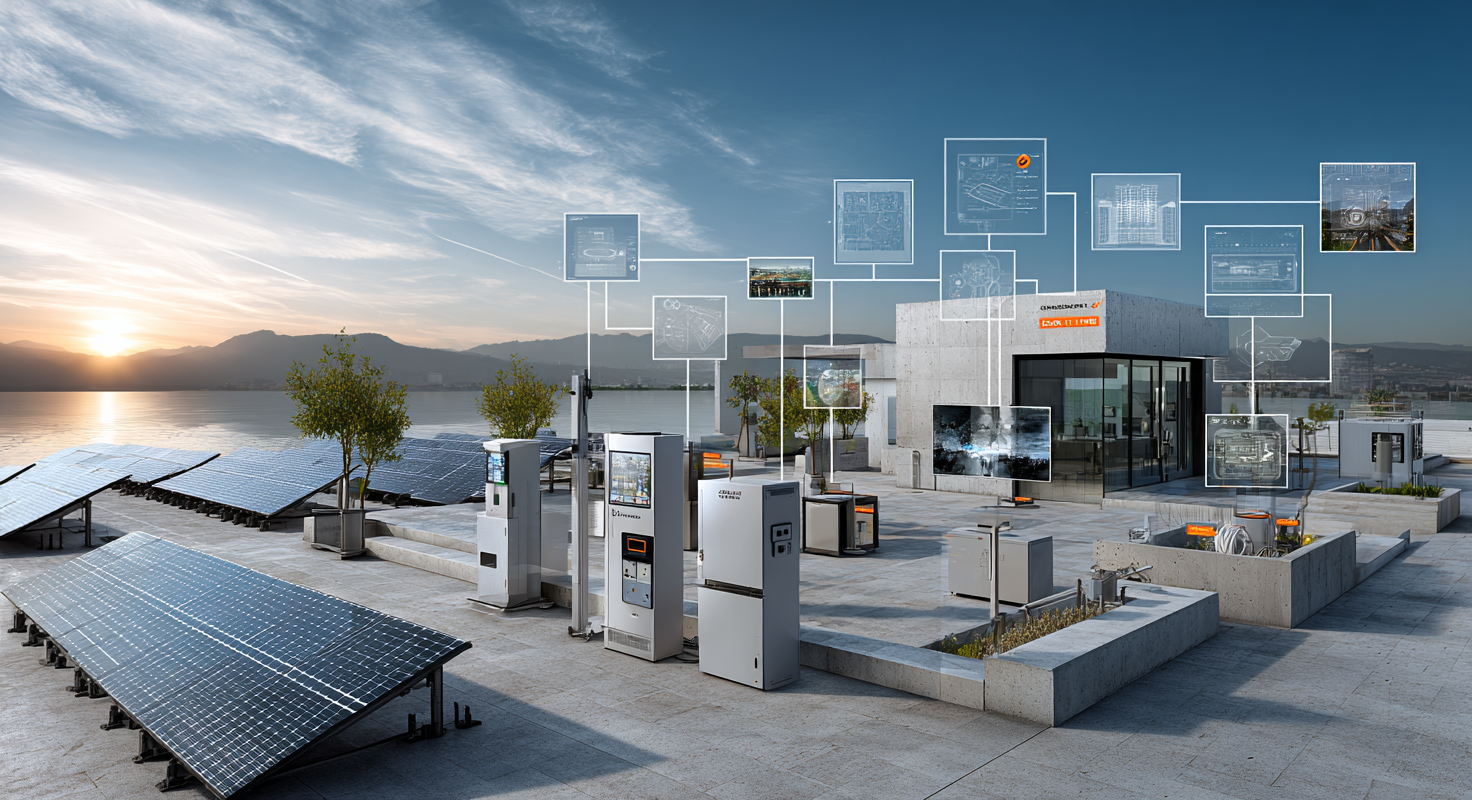
In summary, isolation transformers are crucial for PV system integrity but face evolving challenges. Future research should focus on cost-reduction strategies, comparative studies of new technologies, and adaptive standards to address these uncertainties.



Add comment