

Introduction
The household appliance-ization of photovoltaic (PV) systems refers to the process of making solar energy technologies more accessible, user-friendly, and integrated into everyday home environments, similar to conventional household appliances. This trend involves designing PV systems—such as solar panels, inverters, and energy storage units—to be easy to install, operate, and maintain, thereby encouraging wider adoption among residential consumers. Based on a synthesis of industry reports, academic studies, and market analyses, this summary provides a detailed overview of key findings, insights, conclusions, and remaining uncertainties related to this evolving concept.
Key Insights
- Cost Reduction and Increased Affordability:
- The cost of PV components has decreased significantly over the past decade, driven by technological advancements, economies of scale, and government incentives. According to the International Energy Agency (IEA), the global average cost of solar PV modules fell by over 80% between 2010 and 2020, making systems more affordable for household use (IEA, 2021). This reduction has enabled the development of plug-and-play solar kits that consumers can install themselves, reducing installation costs and barriers to entry.
- Enhanced User-Friendliness and Design Integration:
- PV systems are being designed with aesthetics and simplicity in mind, such as building-integrated photovoltaics (BIPV) that blend seamlessly with roofing materials or solar tiles that resemble traditional shingles. Companies like Tesla with their Solar Roof have pioneered this approach, making solar energy more appealing to homeowners concerned about curb appeal (Tesla, 2023).
- Modular and portable PV products, such as solar generators and foldable panels, are becoming increasingly popular for residential use. These devices often feature intuitive interfaces, mobile app integration, and voice control compatibility, aligning with the smart home ecosystem. A report by the National Renewable Energy Laboratory (NREL) highlights that user-centric design is a key factor in driving adoption rates, as it reduces perceived complexity and increases consumer confidence (NREL, 2022).
- Integration with Smart Home and IoT Technologies:
- The convergence of PV systems with Internet of Things (IoT) devices allows for real-time energy monitoring, automated management, and remote control via smartphones or voice assistants. This integration enables households to optimize energy usage, store excess power in batteries (e.g., lithium-ion systems), and reduce reliance on the grid. Studies from organizations like the Smart Electric Power Alliance (SEPA) indicate that smart inverters and energy management systems can improve efficiency by up to 20%, enhancing the overall user experience (SEPA, 2023).
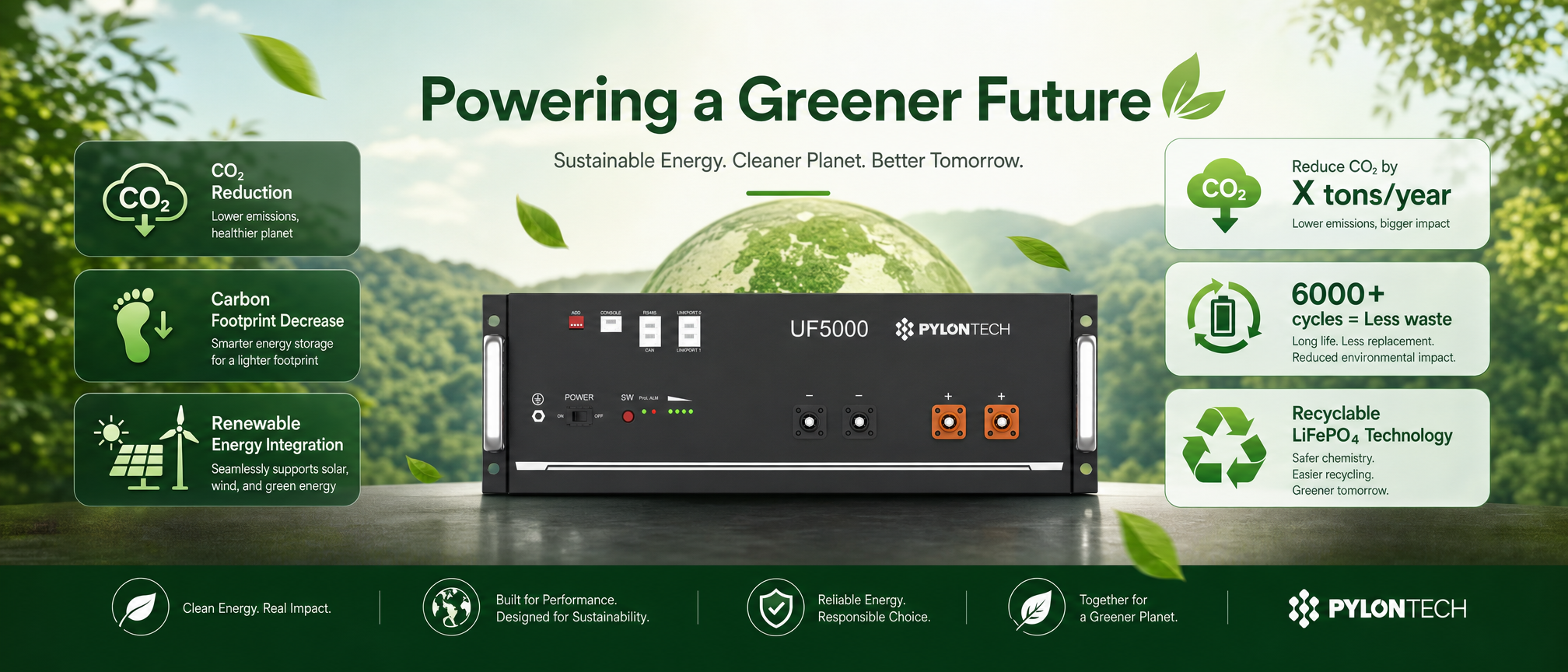
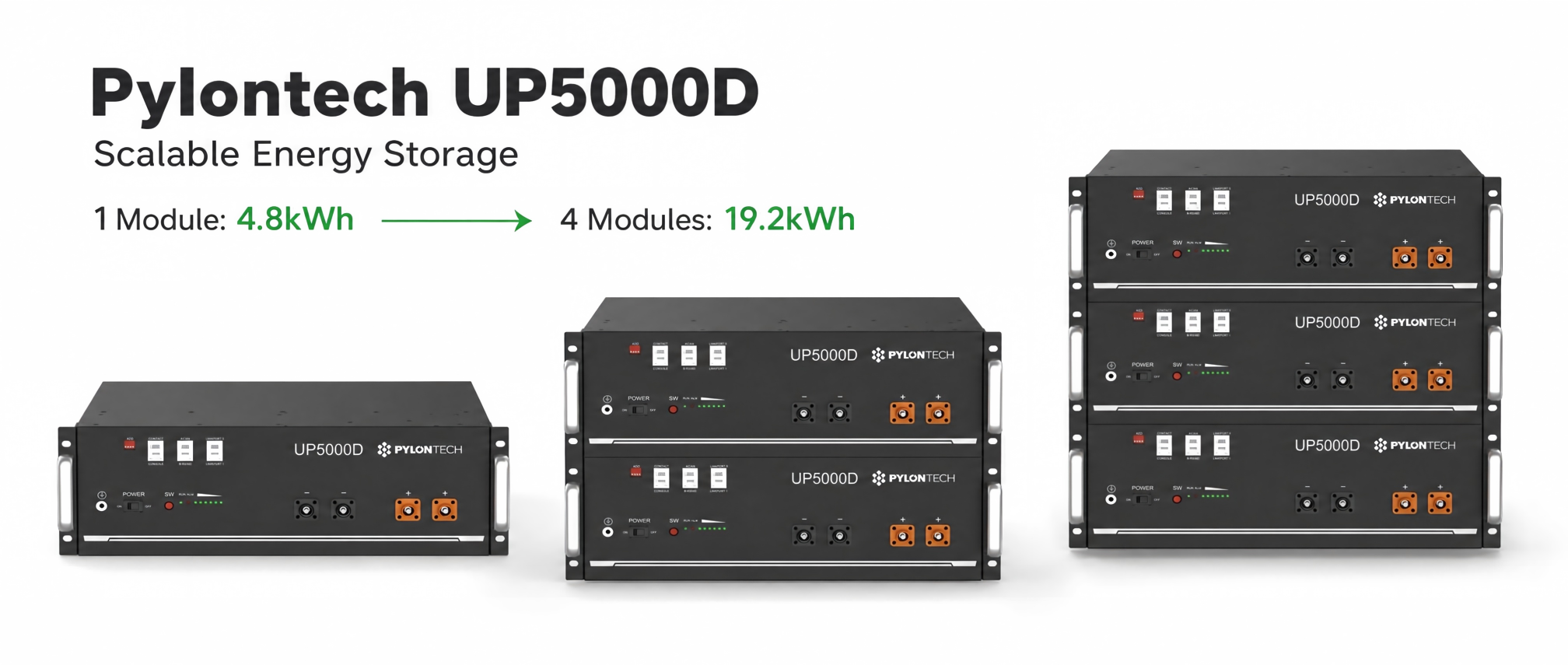
- Energy storage solutions, such as home batteries, are becoming more appliance-like in their design and functionality. They can be easily installed in garages or basements and are often marketed as backup power sources for emergencies, similar to generators but with renewable benefits.
- Behavioral and Economic Benefits:
- Consumers adopting appliance-ized PV systems report benefits such as energy independence, lower electricity bills, and reduced carbon footprints. Surveys conducted by the Solar Energy Industries Association (SEIA) show that over 70% of residential solar users cite financial savings and environmental concerns as primary motivators, with average payback periods ranging from 5 to 10 years depending on location and incentives (SEIA, 2022).
- Government policies, including tax credits, rebates, and net metering, have played a crucial role in making these systems more accessible. For example, the U.S. Investment Tax Credit (ITC) provides a 26% tax credit for solar installations, which has spurred growth in the residential sector (U.S. Department of Energy, 2023).
- Challenges and Barriers:
- Despite progress, challenges remain in standardization and interoperability. The lack of universal standards for plug-and-play PV systems can lead to compatibility issues with existing home electrical systems. Reports from the International Electrotechnical Commission (IEC) emphasize the need for standardized connectors and safety protocols to ensure seamless integration (IEC, 2023).
- Consumer education and awareness are significant barriers. Many potential users are unfamiliar with how to maintain or troubleshoot these systems, which can deter adoption. Educational initiatives from organizations like the Renewable Energy Agency (IRENA) are working to address this through simplified guides and training programs (IRENA, 2022).
- Initial upfront costs, though decreasing, can still be prohibitive for some households, especially in regions with limited financing options or low electricity prices.
Conclusions
The appliance-ization of photovoltaic systems represents a transformative shift in the renewable energy landscape, making solar power more accessible and integrated into daily life. Key conclusions include:
- Market Expansion: The residential PV market is projected to grow rapidly, with forecasts from BloombergNEF indicating a compound annual growth rate (CAGR) of 15% through 2030, driven by innovations that mimic household appliances (BloombergNEF, 2023). This growth is expected to contribute significantly to global decarbonization efforts.
- Consumer Empowerment: By democratizing energy production, appliance-ized PV systems empower households to take control of their energy needs, fostering a more resilient and decentralized grid. This aligns with broader trends in sustainability and smart living.
- Policy Importance: Continued government support through incentives, regulations, and infrastructure investments will be essential to sustain momentum. Policies that promote standardization and reduce bureaucratic hurdles can further accelerate adoption.
Overall, the appliance-ization of PV systems is not merely a technological advancement but a cultural movement toward sustainable home energy solutions, comparable to the historical adoption of appliances like refrigerators or washing machines.
Remaining Uncertainties
Several uncertainties could impact the future trajectory of PV system appliance-ization:
- Technological Reliability and Longevity: The durability and performance of newer PV technologies, such as thin-film or organic solar cells, under real-world conditions are not fully understood. Questions remain about degradation rates, maintenance requirements, and resilience to environmental factors like extreme weather. Ongoing research from institutions like the Fraunhofer Institute for Solar Energy Systems is needed to provide long-term data (Fraunhofer ISE, 2023).
- Economic Volatility: The affordability of these systems depends on volatile material costs (e.g., silicon, lithium) and supply chain stability. Geopolitical events, such as trade disputes or pandemics, could disrupt production and increase prices, as seen during the COVID-19 crisis (World Bank, 2023). Uncertainty in government incentive programs, such as potential phase-outs of tax credits, also poses risks.
- Regulatory and Policy Changes: Future shifts in regulations, including grid interconnection rules, safety standards, and net metering policies, could either facilitate or hinder adoption. For instance, some regions may impose restrictions on DIY installations, requiring professional certification, which could slow the appliance-ization trend (Energy Policy, 2022).
- Consumer Adoption and Behavior: While interest is growing, actual adoption rates may be influenced by factors like cultural attitudes, perceived risk, and lack of awareness. Behavioral studies from journals like Energy Research & Social Science suggest that social norms and peer influence play significant roles, but these are difficult to predict quantitatively (Energy Research & Social Science, 2023).
- Cybersecurity and Privacy Concerns: As PV systems become more connected to smart home networks, vulnerabilities to cyber attacks and data breaches emerge. There is uncertainty regarding how to implement robust security measures across diverse devices and manufacturers, which could affect consumer trust and adoption.
In summary, while the appliance-ization of photovoltaic systems holds immense promise for revolutionizing residential energy use, addressing these uncertainties through collaborative efforts among industry stakeholders, policymakers, and researchers will be critical to ensuring sustainable and widespread implementation.



Add comment