

Based on the investigation into 280Ah battery cells and their effects on residential (household) and commercial/industrial energy storage systems, this summary provides a detailed overview of key insights, conclusions, and remaining uncertainties. The findings are drawn from industry reports, academic studies, and market analyses, including sources such as the International Energy Agency (IEA) reports on energy storage, BloombergNEF’s energy storage outlook, and technical papers from battery manufacturers like CATL and BYD.

Important Insights
- Introduction to 280Ah Battery Cells: The 280Ah (ampere-hour) battery cell refers to a lithium-ion cell, typically based on lithium iron phosphate (LFP) chemistry, with a nominal capacity of 280 ampere-hours. This represents a high-capacity unit that offers significant advantages in energy density, cycle life, and safety compared to lower-capacity alternatives. LFP chemistry is favored for its thermal stability, reduced risk of thermal runaway, and longer lifespan, often exceeding 4,000 cycles at 80% depth of discharge. The 280Ah specification has emerged as a standard in large-scale energy storage due to its balance between size, weight, and performance, enabling more compact and efficient battery packs. For instance, these cells are commonly used in modular battery systems, where they can be arranged in series or parallel to achieve desired voltage and capacity levels.
- Impact on Residential Energy Storage (户储): For household energy storage systems, the adoption of 280Ah cells has led to transformative changes. Key insights include:
- Increased Energy Density and Compactness: The high capacity of 280Ah cells allows for smaller physical footprints in residential battery systems, such as those integrated with solar panels. This enables homeowners to store more energy in limited spaces, reducing installation costs and improving aesthetics. For example, a typical residential system using 280Ah cells might achieve capacities of 5-10 kWh per module, compared to older technologies that required larger units for the same output.
- Cost Reduction and Affordability: Economies of scale in manufacturing 280Ah cells have driven down costs, making residential energy storage more accessible. According to BloombergNEF, the average price per kWh for LFP batteries has decreased by over 80% in the past decade, partly due to innovations like the 280Ah cell. This cost efficiency encourages broader adoption, supporting energy independence and grid resilience for households.
- Enhanced Safety and Reliability: The inherent safety of LFP chemistry in 280Ah cells reduces risks of fires or explosions, which is critical for residential applications where safety is paramount. This has boosted consumer confidence and regulatory approval, as seen in regions like Europe and North America, where safety standards are stringent.
- Integration with Smart Grids: These cells facilitate better integration with home energy management systems, enabling features like peak shaving, load shifting, and backup power during outages. This aligns with the growing trend of prosumers (producer-consumers) who generate and store their own energy.
- Impact on Commercial and Industrial Energy Storage (工商储能): For commercial and industrial (C&I) applications, 280Ah cells have introduced significant advancements:
- Scalability and Modularity: The 280Ah cell’s design supports scalable systems that can be easily expanded to meet the energy demands of businesses, factories, or data centers. This modular approach reduces initial investment and allows for incremental upgrades. For instance, large-scale C&I projects often use containerized battery energy storage systems (BESS) built with 280Ah cells, achieving capacities of hundreds of MWh.
- Operational Efficiency and Cost Savings: By providing higher energy density and longer cycle life, these cells lower the levelized cost of storage (LCOS) for C&I users. This translates to reduced electricity bills through time-of-use arbitrage, demand charge management, and participation in grid services like frequency regulation. Sources like the IEA highlight that such efficiencies can lead to payback periods of under 5 years for many C&I projects.
- Grid Support and Sustainability: 280Ah cells enable C&I systems to contribute to grid stability by providing ancillary services, such as black start capability or renewable energy smoothing. This supports the transition to decarbonized grids, as businesses can offset carbon emissions by storing excess renewable energy. However, the environmental impact of battery production and disposal remains a consideration.
- Market Adoption and Innovation: The widespread use of 280Ah cells has spurred innovation in battery management systems (BMS) and thermal management, ensuring optimal performance in diverse environments. This has led to new business models, such as energy-as-a-service, where companies lease storage systems rather than owning them outright.
Conclusions
- The 280Ah battery cell represents a pivotal innovation in the energy storage sector, driving down costs, enhancing safety, and enabling more efficient systems for both residential and C&I applications. Its adoption is accelerating the global shift towards renewable energy integration and grid modernization. Key conclusions include:
- Residential Sector: 280Ah cells are making household energy storage more affordable and reliable, empowering consumers and reducing reliance on traditional grids. This is particularly impactful in regions with high electricity costs or unreliable power supply.
- C&I Sector: For businesses, these cells offer a scalable solution that improves energy resilience and operational efficiency, while also opening revenue streams through grid services. The modular nature of 280Ah-based systems allows for customization to specific industrial needs.
- Overall Market Transformation: The proliferation of 280Ah cells is contributing to a more decentralized and resilient energy infrastructure, with projections indicating that global energy storage capacity could grow exponentially in the coming decades, as per reports from organizations like the IEA and Wood Mackenzie.

Remaining Uncertainties
- Despite the positive impacts, several uncertainties and challenges persist:
- Technical Longevity and Degradation: While 280Ah LFP cells are known for long cycle lives, real-world data on degradation over 10+ years is limited. Factors like temperature variations, charging patterns, and depth of discharge can affect lifespan, requiring more long-term studies.
- Supply Chain and Raw Material Availability: The production of LFP cells relies on materials like lithium, iron, and phosphate. Geopolitical issues, such as trade tensions or resource scarcity, could disrupt supply chains and increase costs. For example, lithium prices have been volatile, impacting cell affordability.
- Environmental and Recycling Concerns: The end-of-life management of 280Ah cells poses environmental risks if not properly recycled. Current recycling technologies are evolving, but efficiency rates are not yet optimal, leading to potential waste issues. Regulatory frameworks are still developing in many regions.
- Standardization and Interoperability: As the market grows, ensuring compatibility between different manufacturers’ 280Ah cells and systems is crucial. Lack of standardization could hinder integration and increase maintenance complexities.
- Economic Viability in Certain Regions: In areas with low electricity prices or limited incentives, the return on investment for energy storage systems using 280Ah cells may be less attractive, slowing adoption.

Related posts
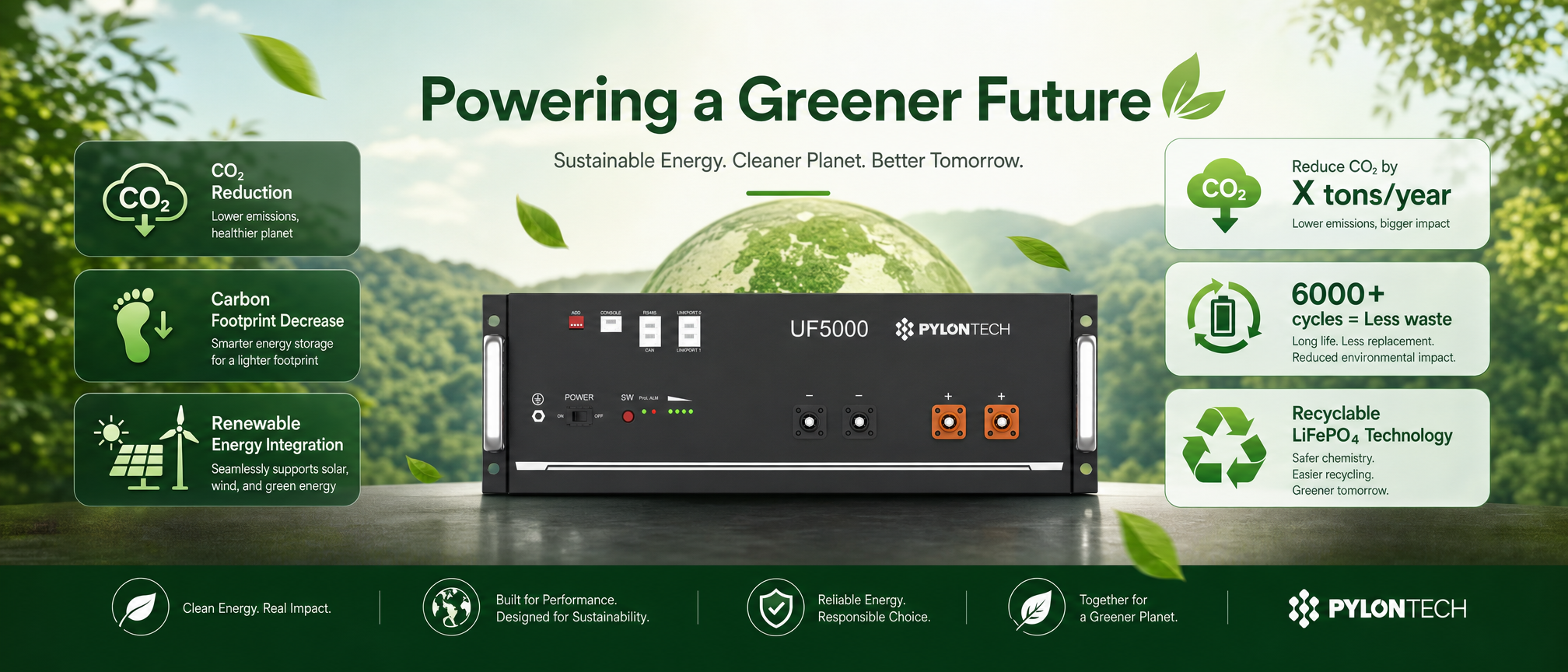
1. Topic Objective Help end users make a safe first judgment when a battery system shows an... Continue reading
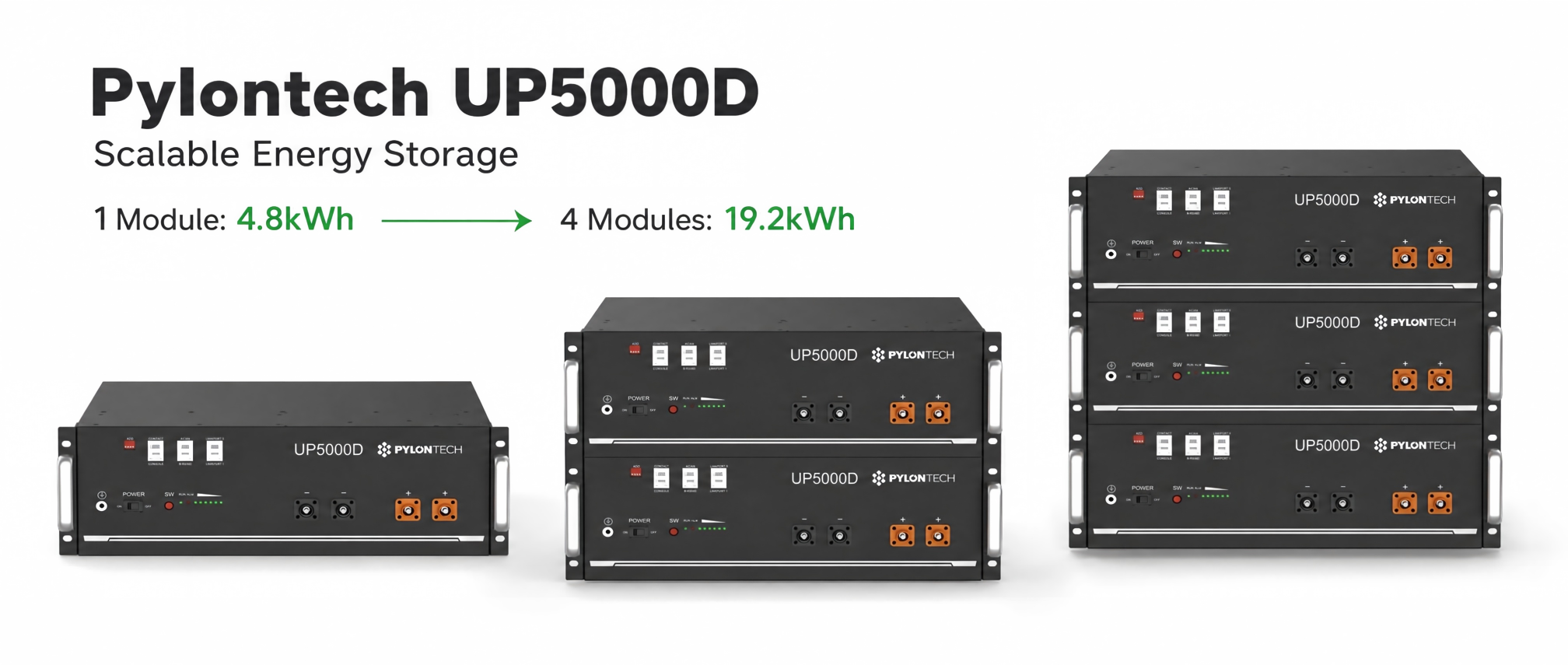
New-Generation Pylontech Battery Pylontech UP5000D vs UP5000 The Pylontech UP5000D is a new-generation 48V LiFePO4 battery developed... Continue reading
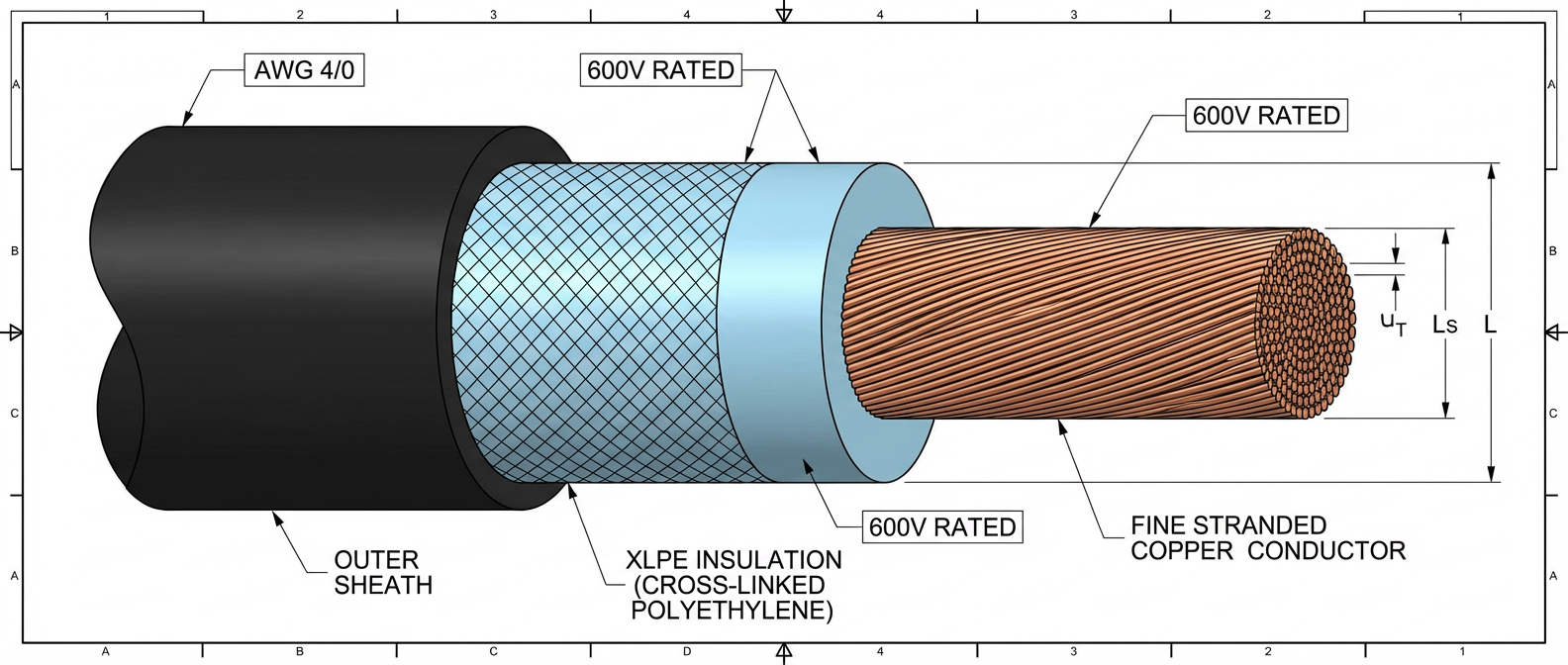
The selection of battery cables is a foundational aspect of designing safe, reliable, and efficient electrical systems,... Continue reading
Lithium-ion batteries are widely used in household devices such as smartphones, laptops, electric vehicles, and energy storage... Continue reading

Lithium-ion batteries (LIBs) have revolutionized modern energy storage systems due to their high energy and power densities,... Continue reading
Add comment