

- Battery State Monitoring
The primary role of BMS is to monitor key parameters such as voltage, temperature, current, and SOC (State of Charge). Through precise sensing technology, it tracks battery operating conditions, identifies anomalies, and prevents critical risks like overcharging or deep discharge. When parameters deviate, BMS triggers warnings and adjusts charging strategies to extend battery life.
- Balanced Management
In multi-cell battery configurations, BMS ensures charge balance through passive balancing (waste heat dissipation) or active balancing (energy transfer). This maintains consistency among cells, prevents capacity degradation from state-of-charge mismatches, and maximizes energy utilization efficiency. - Multi-Level Protection
BMS implements three-tier protection:- Hardware Protection: Instant circuit cutoff for extreme overvoltage/undervoltage
- Software Protection: Threshold-triggered alarms
- System Protection: Thermal runaway prevention and intelligent derating strategies
- Communication and Coordination Management
Supporting interfaces (CAN, RS485, etc.), BMS transmits operational data to external systems and responds to control commands. This enables functions like remote monitoring, fault diagnosis, and collaborative work with inverters/chargers. - Health Optimization
By analyzing historical operating data, BMS evaluates battery health indicators (SOH) and degradation trends, providing self-learning algorithms to optimize charging curves and usage patterns.

Development Outlook: With advances in AI and cloud computing, next-gen BMS will evolve toward predictive maintenance, digital twins, and cross-platform collaborative management.
Technical Notes: Formulas like SOC = (Remaining Capacity / Total Capacity) × 100% should retain mathematical notation formats. Diagram placeholders marked as [BMS Architecture Schematic].


Related posts
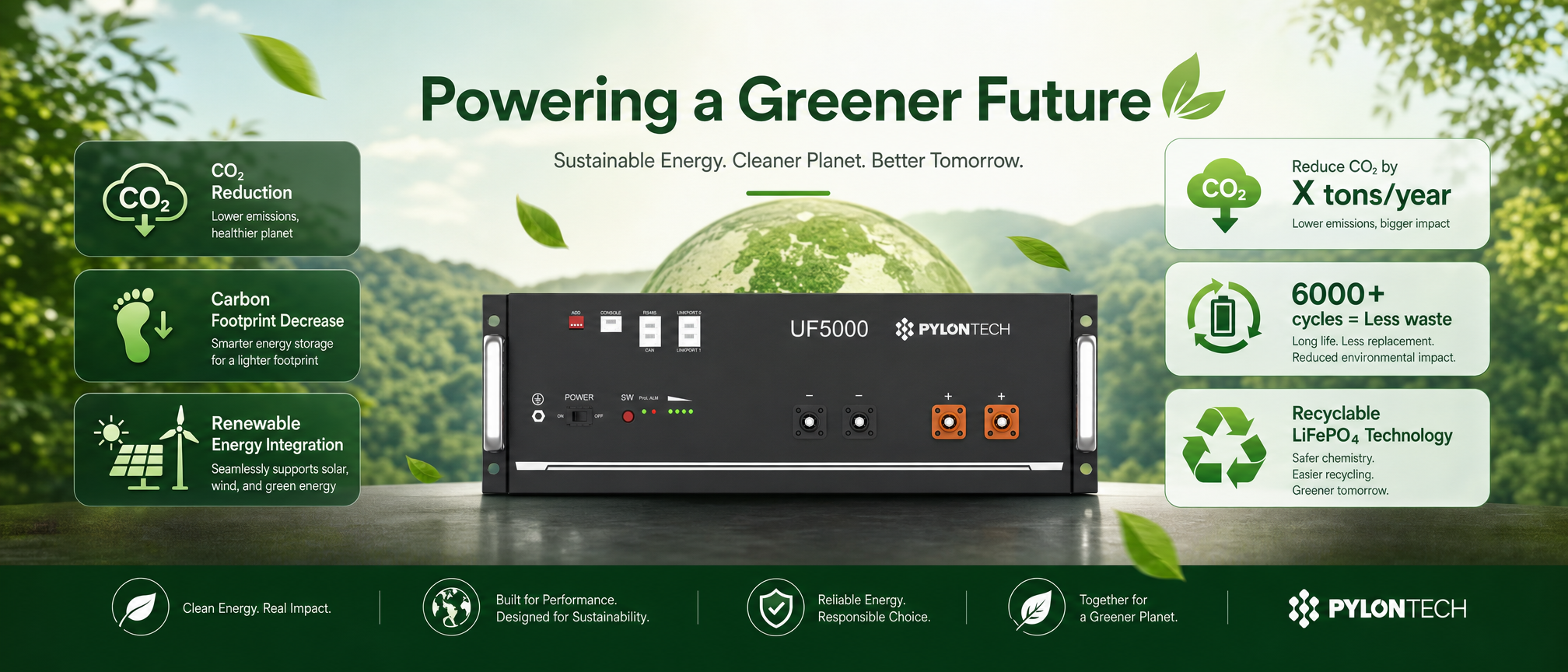
1. Topic Objective Help end users make a safe first judgment when a battery system shows an... Continue reading
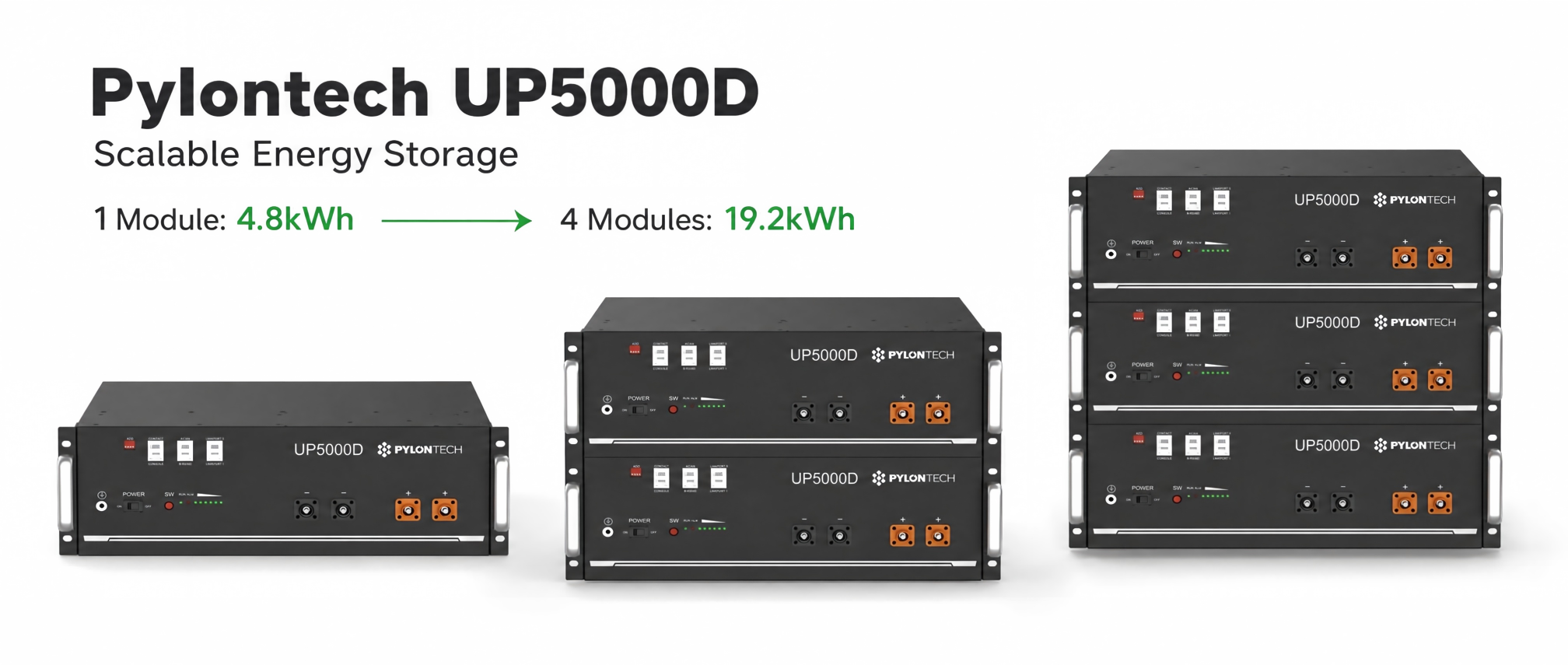
New-Generation Pylontech Battery Pylontech UP5000D vs UP5000 The Pylontech UP5000D is a new-generation 48V LiFePO4 battery developed... Continue reading
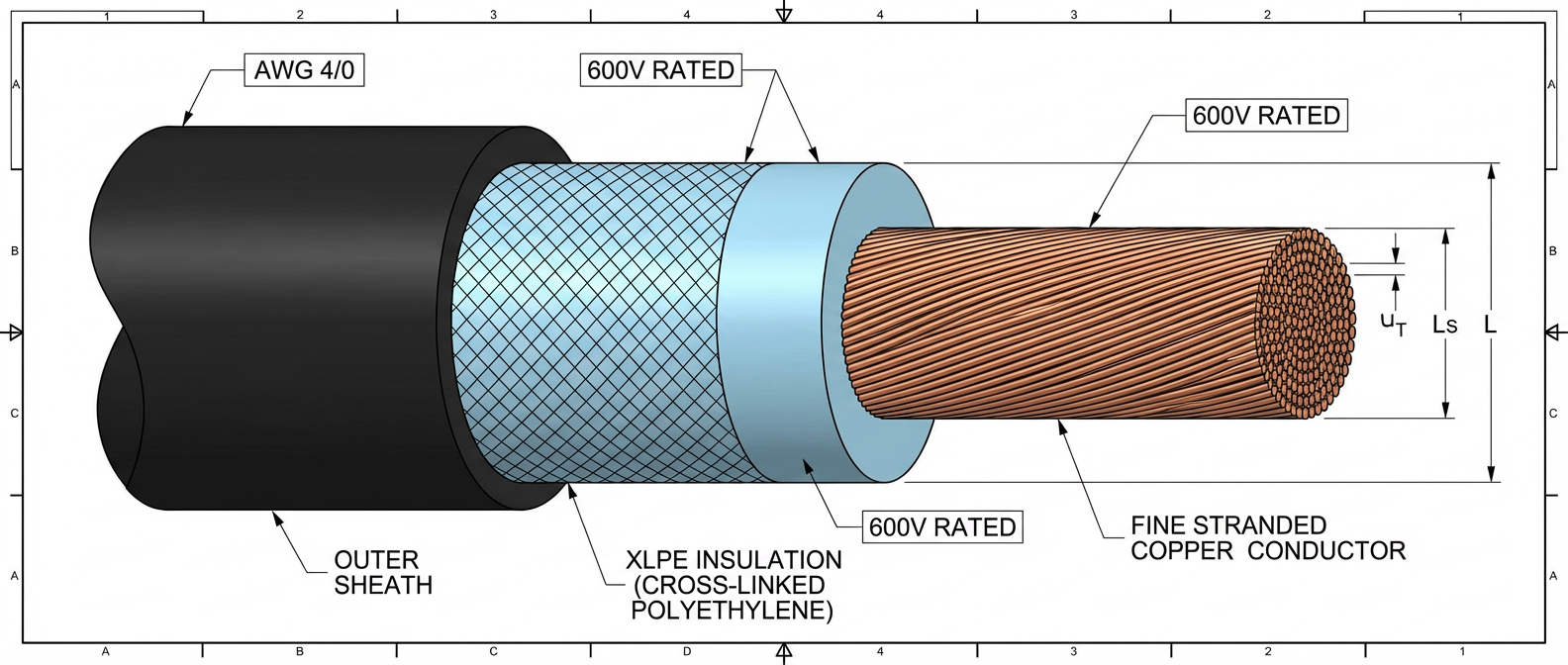
The selection of battery cables is a foundational aspect of designing safe, reliable, and efficient electrical systems,... Continue reading

Lithium-ion batteries are widely used in household devices such as smartphones, laptops, electric vehicles, and energy storage... Continue reading

Lithium-ion batteries (LIBs) have revolutionized modern energy storage systems due to their high energy and power densities,... Continue reading
Add comment