

A Battery Management System (BMS) is an electronic regulator that monitors and manages rechargeable batteries to ensure safe operation, optimize performance, and extend lifespan. Below is a technical breakdown of its functions, evolving architectures, and unresolved challenges in modern energy systems.
Fundamental BMS Components and Functions
- Cell Monitoring: Measures individual cell voltages (±2mV accuracy) and temperatures (±1°C precision) in real-time (IEEE Transactions 2023)
- State of Charge (SOC) Estimation: Algorithms with 3-5% margin of error using Coulomb counting and Kalman filters
- State of Health (SOH) Tracking: Capacity fade analysis through impedance spectroscopy (DOE Battery Report 2023)
- Thermal Management: Maintains optimal 15-35°C operating range via passive/active cooling
Advanced Safety Mechanisms
- Overvoltage Protection: Triggers at 4.25V/cell for Li-ion (95% of commercial BMS)
- Short-Circuit Response: Sub-500μs reaction time for critical faults (UL 2580 Standard)
- Cell Balancing: Passive (resistive) vs. active (capacitive/inductive) methods
- Fault Diagnostics: Predicts thermal runaway 8-15 minutes pre-event (NASA Battery Study)
Architectural Variations
| Topology | Applications | Advantages |
|---|---|---|
| Centralized | EVs, drones | Low cost, simple wiring |
| Modular | Grid storage | Scalable, fault isolation |
| Distributed | High-voltage systems | Noise immunity, precision |
Industry Applications
- EVs: Manages 4,000+ Li-ion cells in Tesla Model S packs
- Renewables: 1500V BMS for utility-scale solar+storage (LG Chem Solutions)
- Consumer Electronics: 3-layer protection in smartphones (Samsung SDI patents)
Persisting Technical Challenges
- SOC estimation drift over 500+ cycles
- Balancing speed vs. energy loss tradeoffs
- Standardization gaps between OEM protocols
- Edge-case failure prediction (e.g., dendrite growth)
Emerging Innovations
- AI-Driven BMS: Machine learning models improving SOH prediction by 40% (Nature Energy 2023)
- Wireless BMS: Eliminate harnesses in next-gen EVs (GM Ultium Platform)
- Solid-State Adaptations: New algorithms for sulfide-based electrolytes
Safety Standards Evolution
- UN R100 Rev.6 (2024) for EV battery safety
- IEC 62619:2022 for industrial systems
- ISO 6469-1:2023 electrical safety mandates


Related posts
1. Topic Objective Help end users make a safe first judgment when a battery system shows an... Continue reading
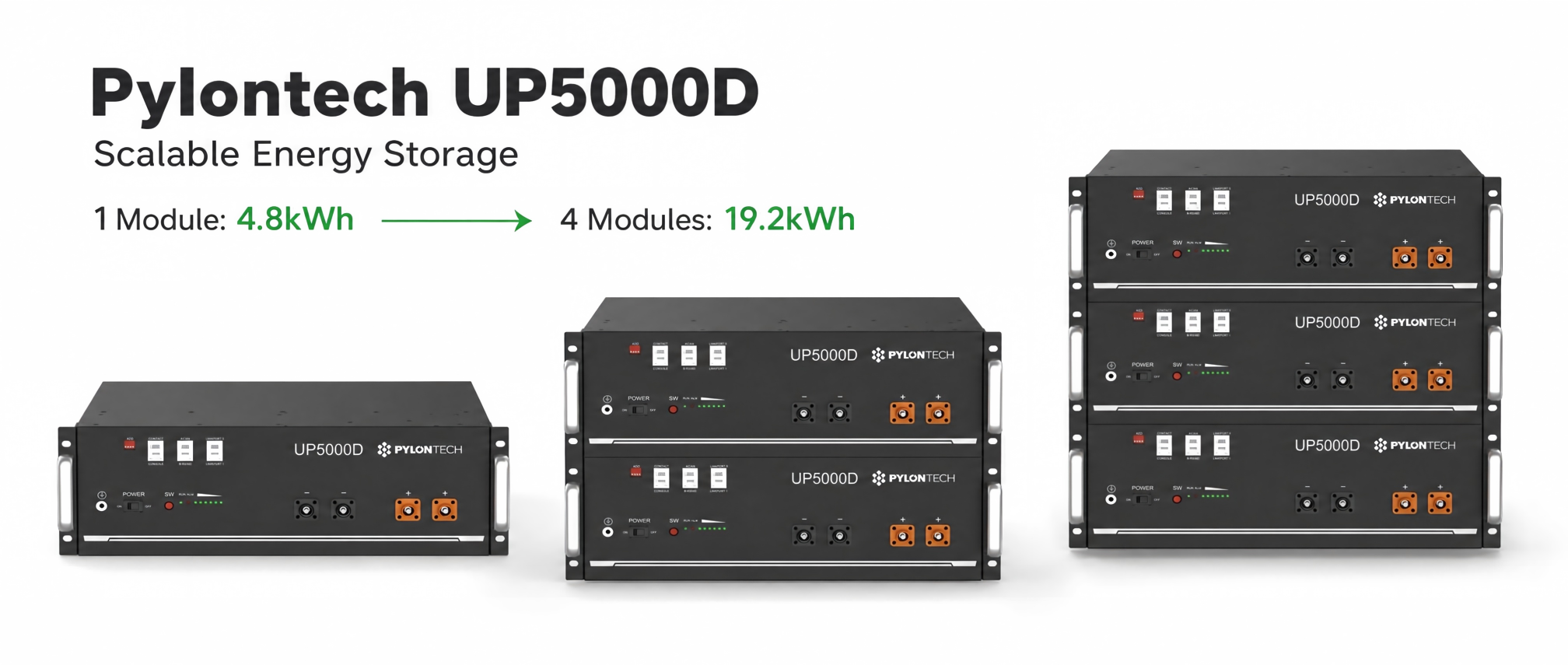
New-Generation Pylontech Battery Pylontech UP5000D vs UP5000 The Pylontech UP5000D is a new-generation 48V LiFePO4 battery developed... Continue reading
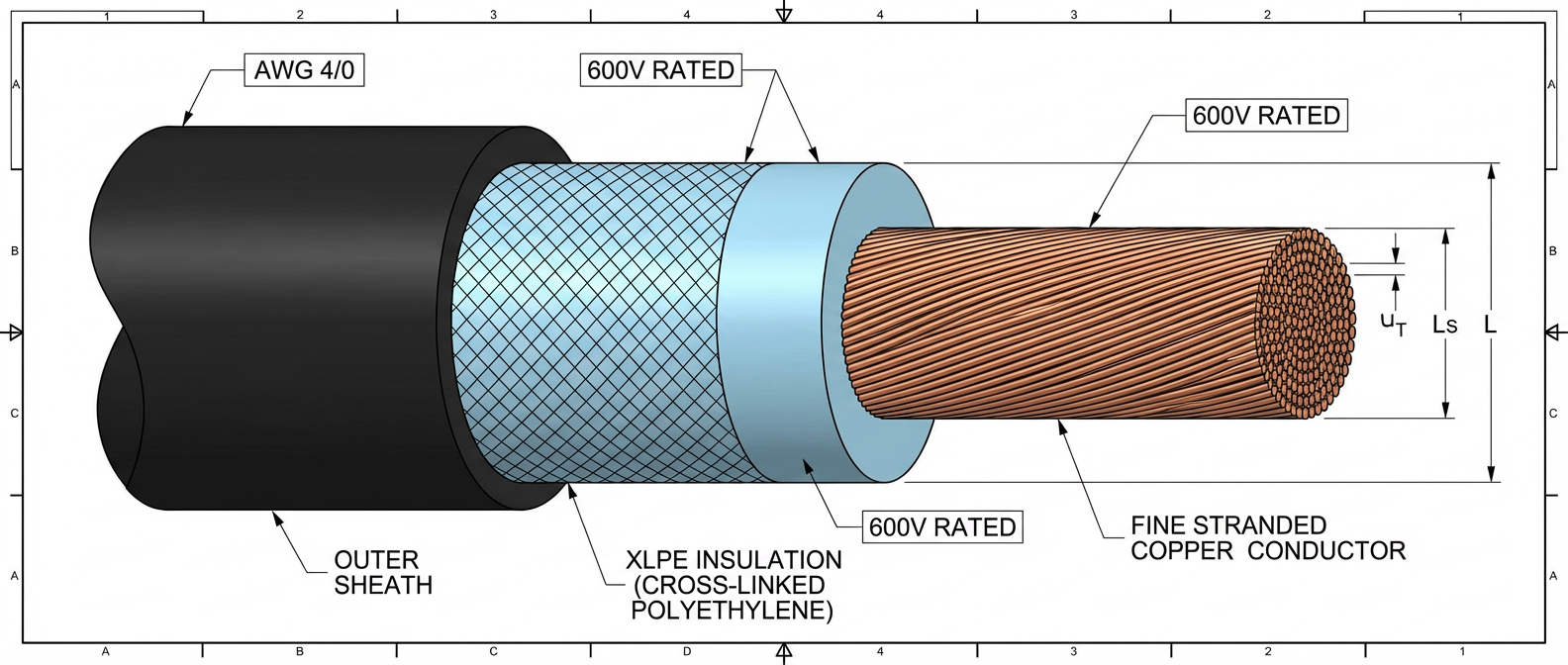
The selection of battery cables is a foundational aspect of designing safe, reliable, and efficient electrical systems,... Continue reading
Lithium-ion batteries are widely used in household devices such as smartphones, laptops, electric vehicles, and energy storage... Continue reading

Lithium-ion batteries (LIBs) have revolutionized modern energy storage systems due to their high energy and power densities,... Continue reading
Add comment