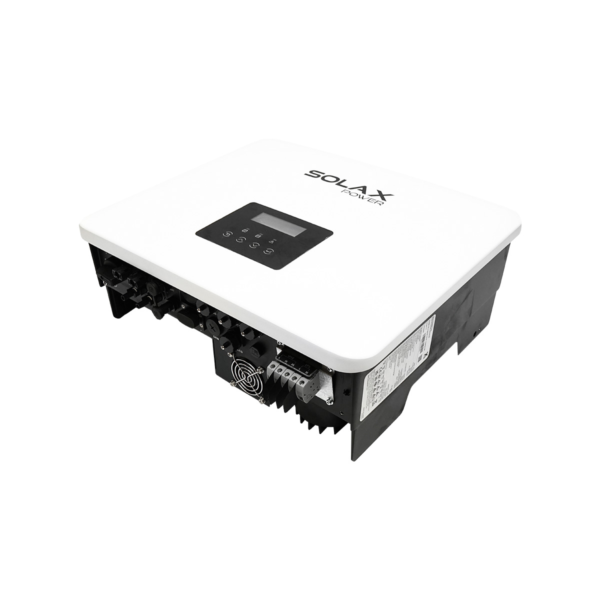
SolaX X1 Hybrid 7.5D 7.5kW Single-Phase Inverter
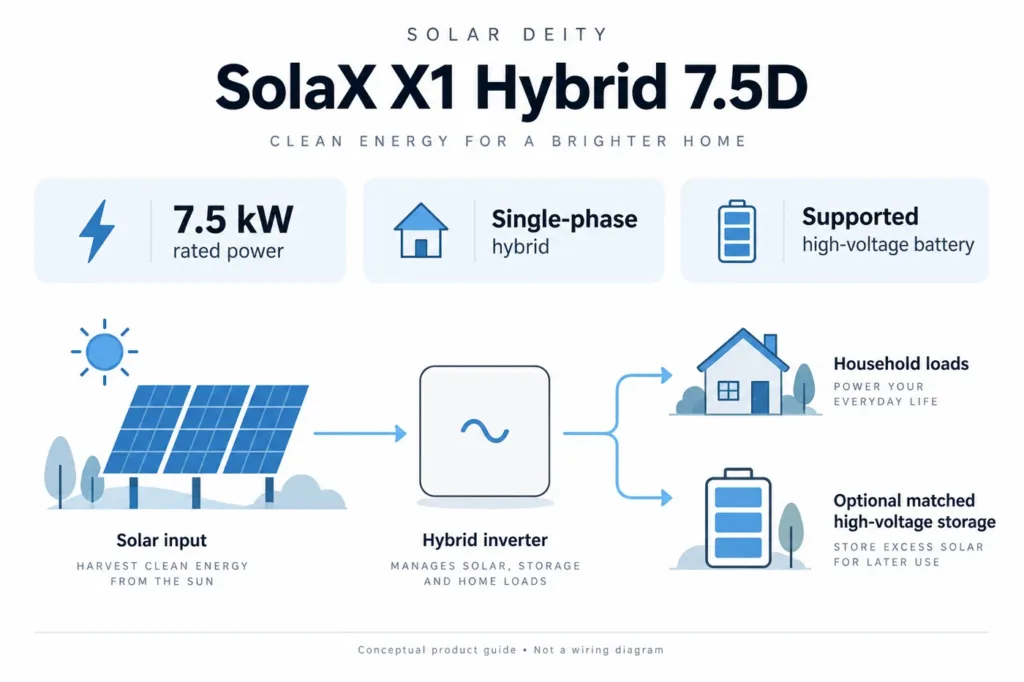
The SolaX X1 Hybrid 7.5D is a 7.5kW single-phase hybrid-inverter reference for solar generation and a supported battery-storage arrangement. Its role is to manage power conversion within a designed household or small-business system. The inverter’s output class, the available solar energy and the battery’s stored energy need to be assessed separately rather than treated as one interchangeable number.
A single-phase option for a defined property
The X1 designation identifies the single-phase side of the SolaX hybrid range. Check the property’s supply and intended backup circuits before comparing it with a three-phase product. A higher total rating on an X3 model is not a direct replacement decision for a single-phase installation. The phase arrangement, supported battery and connection design are part of the product choice rather than details to resolve after ordering.
Use 7.5kW as a power rating, not a runtime estimate
The 7.5kW figure concerns the output class under the applicable operating conditions. It does not say how long a battery will run the connected circuits. A load of 2kW maintained for three hours consumes 6kWh before system losses; that simple calculation already requires an energy figure separate from inverter power. The selected battery’s usable capacity, current capability and reserve determine how the storage side can support the intended demand.

Plan daytime solar use around actual consumption
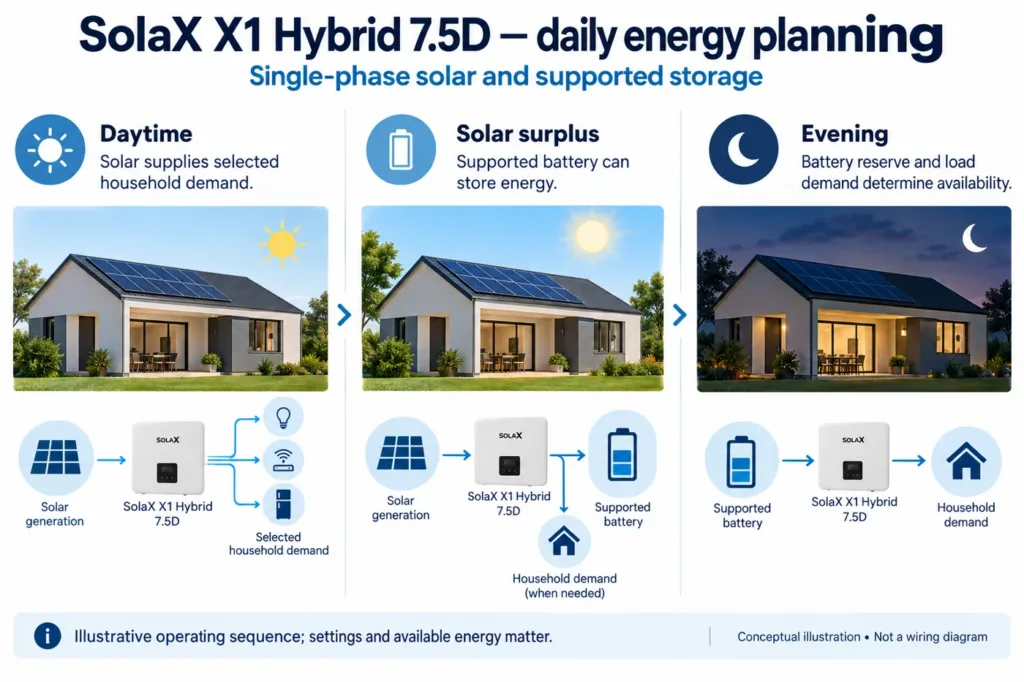
A home may use energy for cooking, work equipment, refrigeration and discretionary appliances at different times. Solar production has its own daily pattern. The most useful design compares those patterns so that the owner understands how much energy may be used directly and how much may be available for storage. The daily-sequence illustration on this page explains those stages without implying that the inverter guarantees a particular daily yield.
Store surplus only through a supported battery arrangement
The X1 Hybrid family supports an appropriate high-voltage storage system. That should not be read as approval for a conventional 48V battery simply because both products are intended for solar use. Match the complete battery operating range, supported protocol, module configuration and inverter revision. Battery quantity is also a separate purchase detail: a battery icon in a system illustration represents a function, not equipment automatically included with this inverter.
The PV string design belongs to the supplied revision
SolaX has issued different product and document revisions. The linked G4 datasheet is useful manufacturer reference material, but the unit label must establish which detailed electrical limits apply to the stock being supplied. Panel open-circuit voltage, operating voltage and current all need checking. A panel-wattage total or a roof photograph cannot establish those requirements, and a newer brochure’s limits should not silently replace those of an older unit.
The battery-only condition deserves its own load check
During an interruption with little solar contribution, the supported battery arrangement has to provide the energy and DC power required by the inverter. Its current limits can therefore be important even when the inverter has unused output capacity. Ask the designer to state the sustained backup capability for the selected battery configuration. Do not assume that a larger inverter automatically turns a small storage bank into an unrestricted whole-house backup supply.
Starting demand can change the practical circuit selection
Refrigeration, pumps and other motor loads can impose brief demands different from their normal running consumption. Assess these using the equipment information and the applicable inverter overload specification. A reasonable continuous-load total is only one part of the check. The chosen circuits should reflect how appliances actually operate together, particularly where several devices could restart when supply changes.
Plan the transition from afternoon to evening
Using stored energy in the early evening can reduce what remains for a later interruption. Preserving a larger reserve can improve later availability while reducing the energy used for routine consumption. This is an operating preference to discuss during commissioning, not a change to the physical battery capacity. The owner should understand the agreed reserve, charging schedule and monitored information rather than relying on the inverter’s power rating alone.
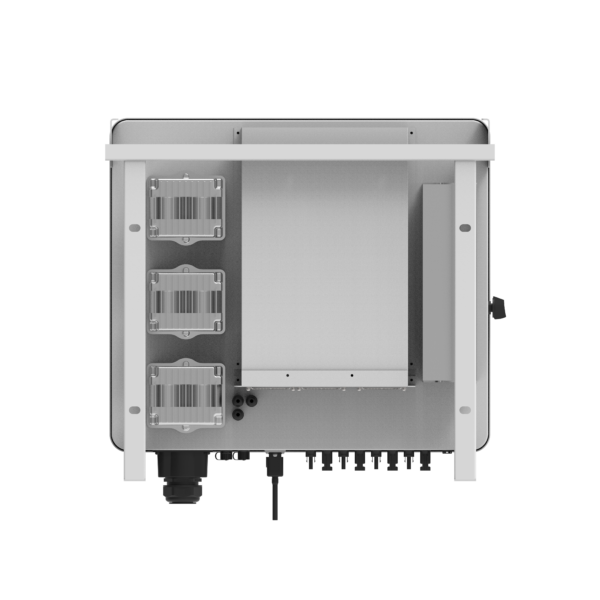
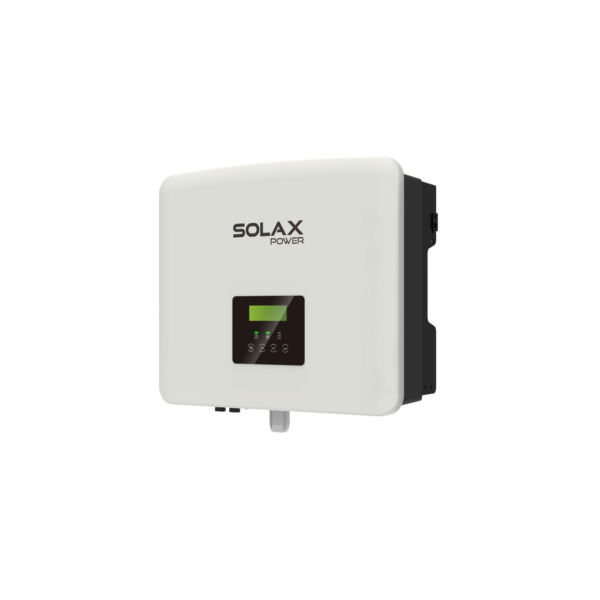
Use product views for identification and access planning
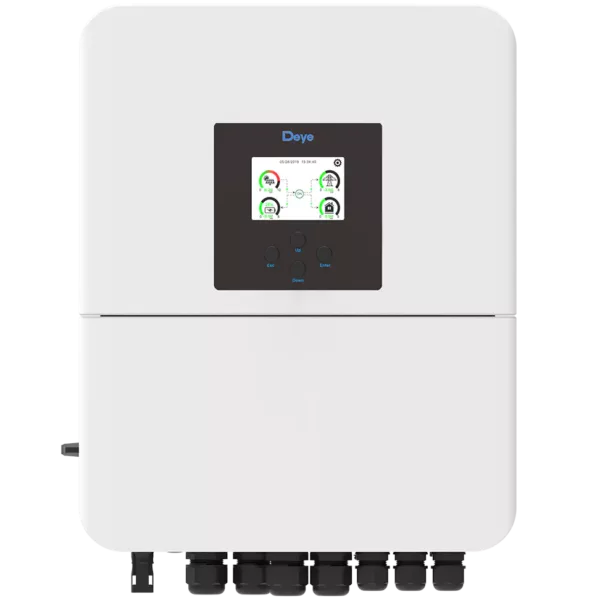
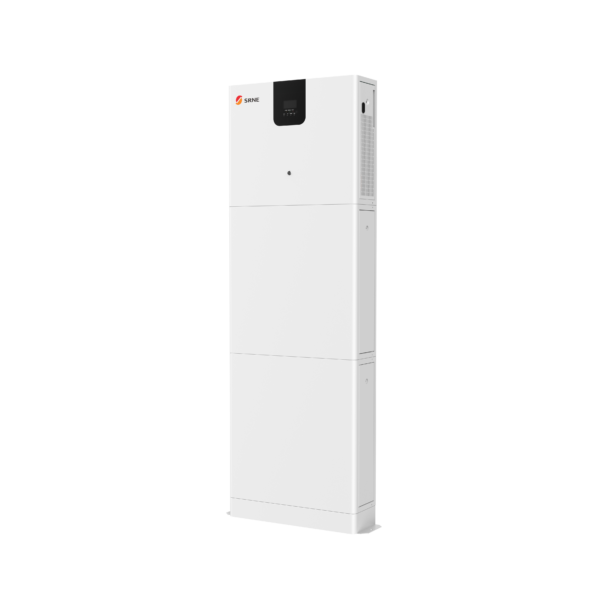
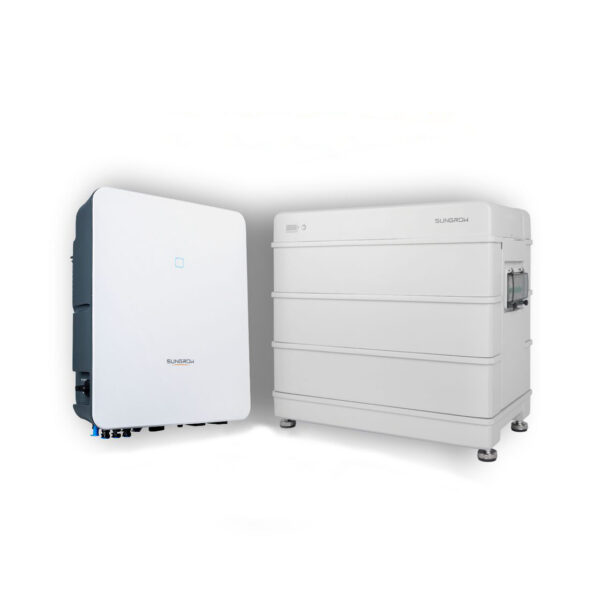
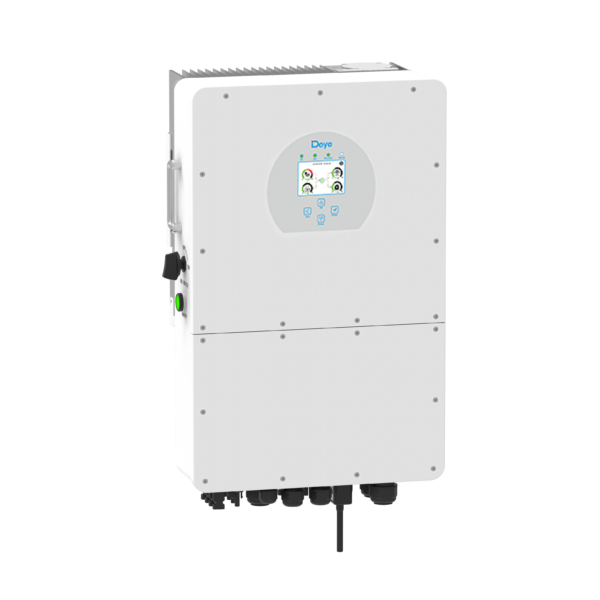
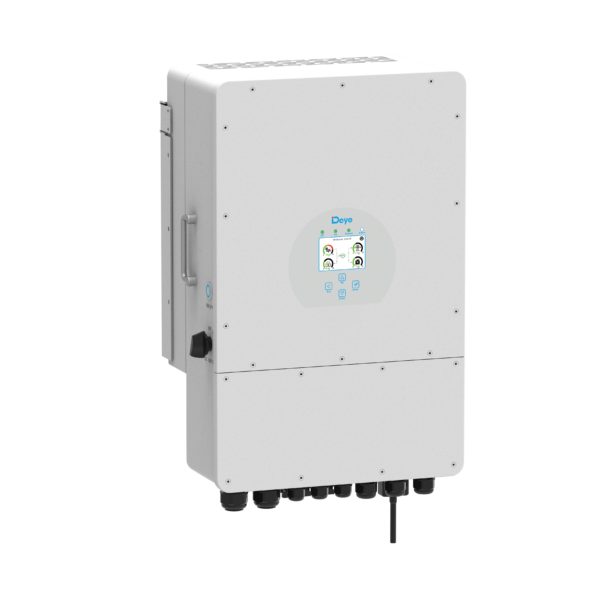
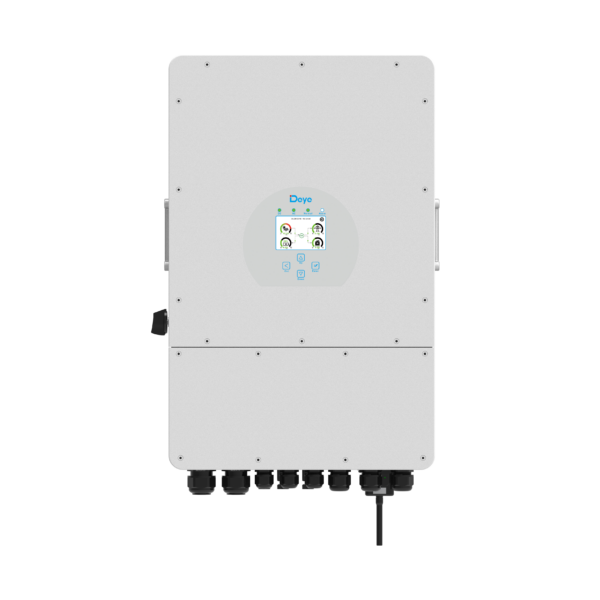
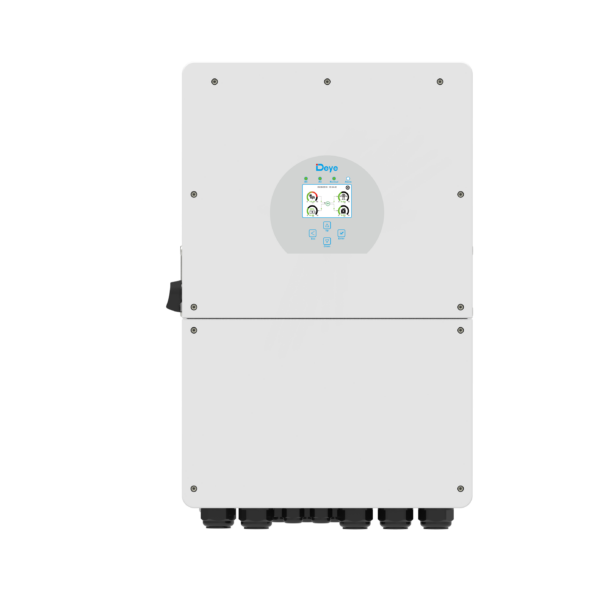
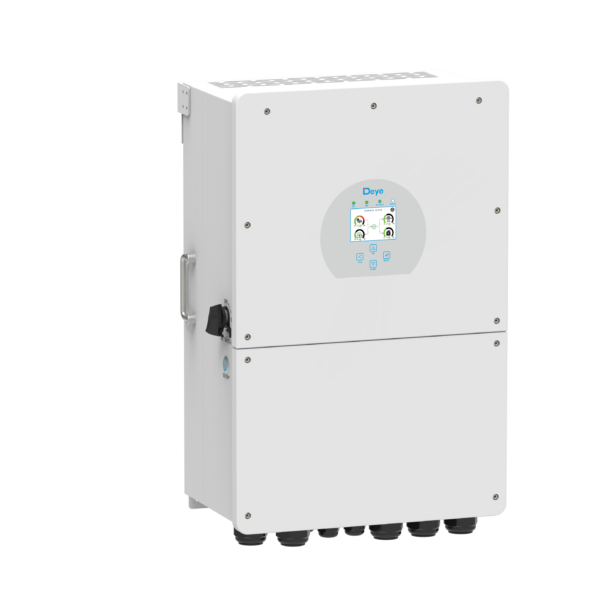
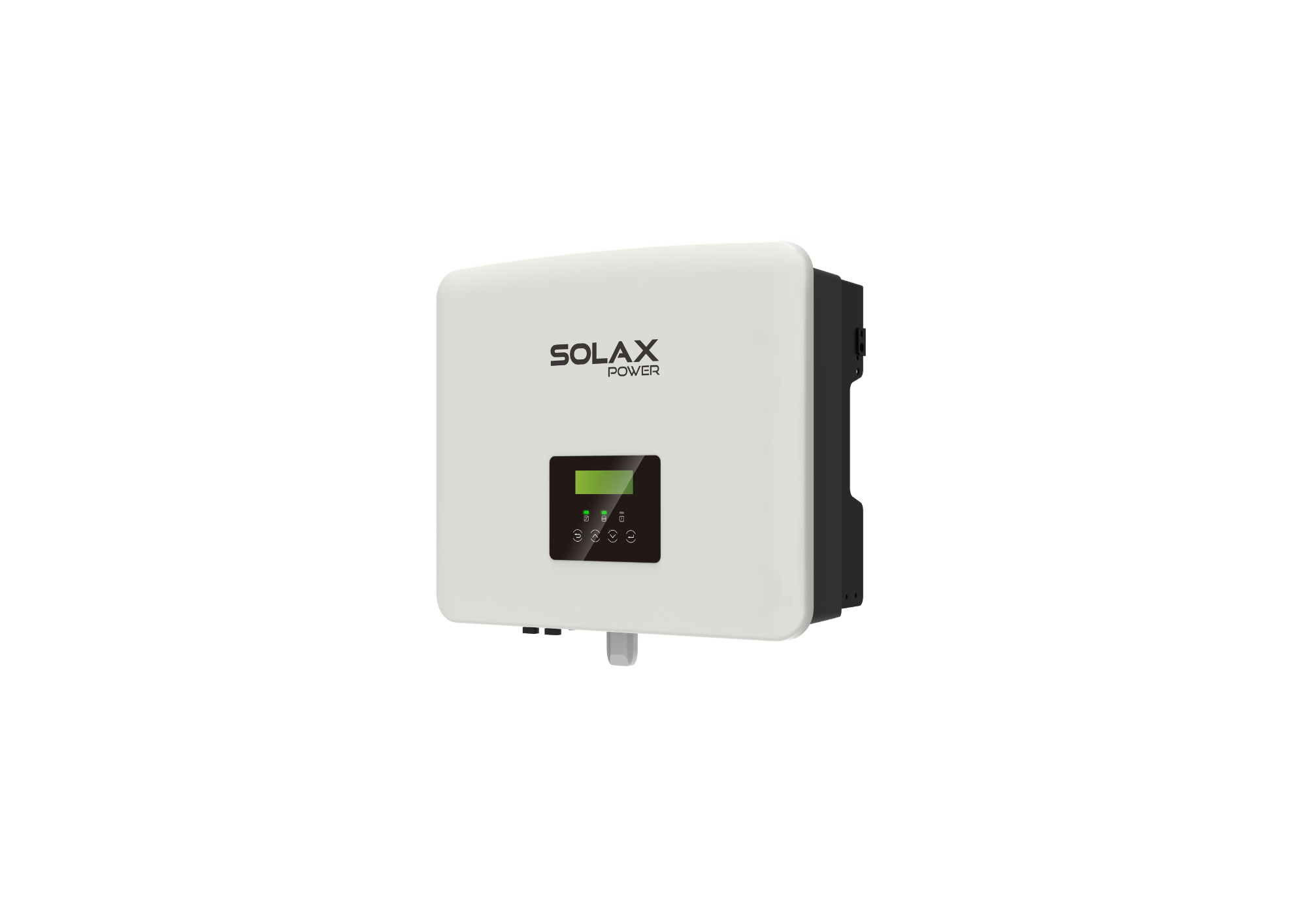
The existing SolaX product photographs show the enclosure and connection area. The new blue system and daily-sequence illustrations are specific to the X1 single-phase application, replacing unrelated generic roof and ordering graphics. They explain the product’s role rather than provide electrical connection instructions. Final mounting clearances, cable access and environmental limits should come from the manual for the actual unit.
Keep the complete configuration in the quotation
Specify X1-HYBRID-7.5-D, the generation or revision, the battery model and quantity, the planned solar array and the circuits intended for backup. Identify monitoring and connection accessories separately where they are needed. This allows meaningful comparison with another 7.5kW offer and prevents a document for a different generation from deciding the design. Retain the supplied documents and commissioning settings for later support or expansion.
A useful handover connects settings with expectations
Before the system is handed over, ask the installer to explain normal solar operation, battery charging and the selected backup behaviour. The purpose is to relate the design to the household’s actual priorities. Monitoring should help the owner distinguish high consumption, limited charging opportunity and a chosen reserve from a technical fault. Keep the equipment identifiers available so that any future change starts from the installed configuration.
Product reference
Manufacturer or product connection reference. The referenced document must be matched to the supplied model and revision before applying additional electrical limits.
Technical specifications
| Parameter | Product detail |
|---|---|
| Listing model | X1-HYBRID-7.5-D |
| Rated power class | 7,500 W / 7.5 kW |
| AC supply arrangement | Single phase |
| System category | Hybrid solar inverter |
| Battery category | Supported high-voltage storage arrangement |
| Included storage | Battery model and quantity must be specified separately |
| Detailed electrical limits | Match the actual unit generation before applying G4 reference values |