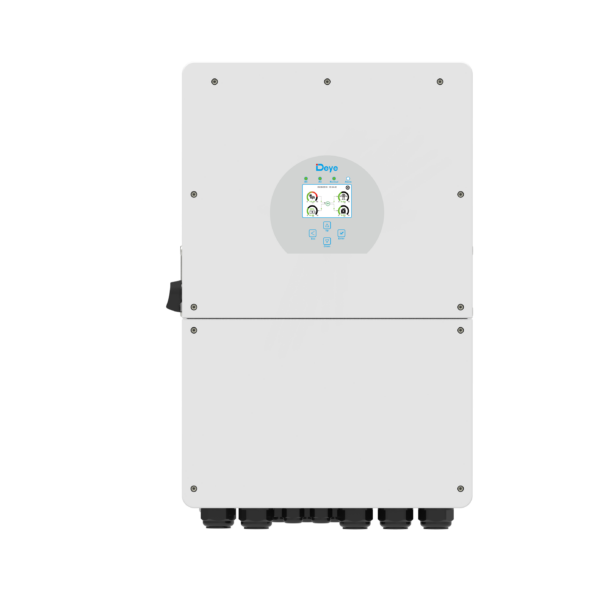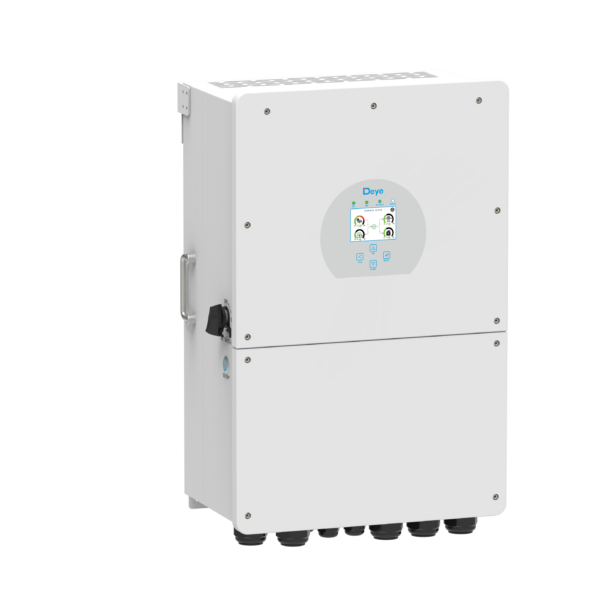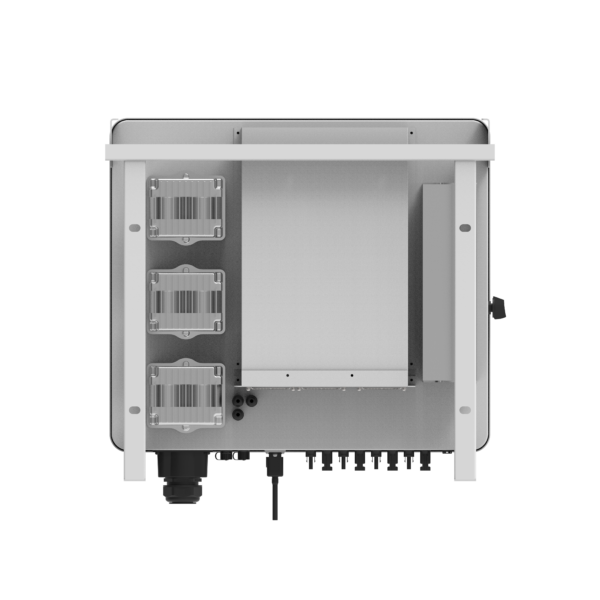

Sungrow 6kW Hybrid Inverter & 9.6kWh SBR Battery Package
R63,999.00
This Sungrow 6kW hybrid inverter and 9.6kWh battery package brings inverter capacity and stored energy into one purchase plan for a residential solar or backup project. The inverter’s kW rating describes power capability; the battery’s kWh figure describes stored energy. Choosing a package works best when both figures are matched to your household’s actual consumption and the circuits you want to keep available.
Sungrow 6kW Hybrid Inverter & 9.6kWh SBR Battery Package
This Sungrow 6kW hybrid inverter and 9.6kWh battery package brings inverter capacity and stored energy into one purchase plan for a residential solar or backup project. The inverter’s kW rating describes power capability; the battery’s kWh figure describes stored energy. Choosing a package works best when both figures are matched to your household’s actual consumption and the circuits you want to keep available.
SH6.0RS paired with an SBR096 configuration
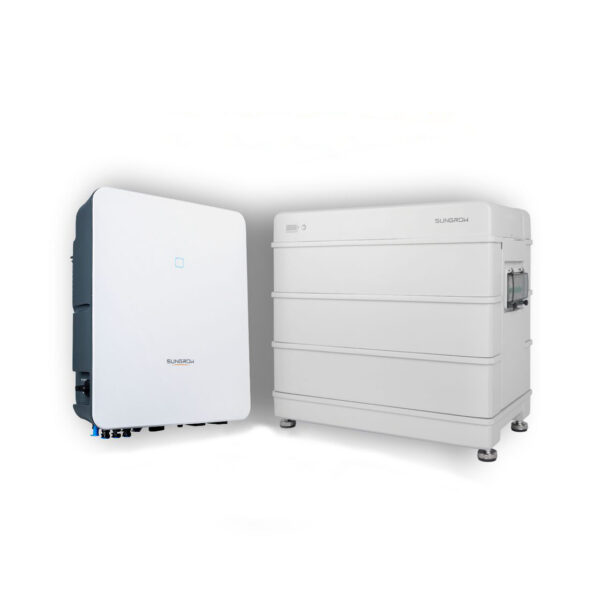
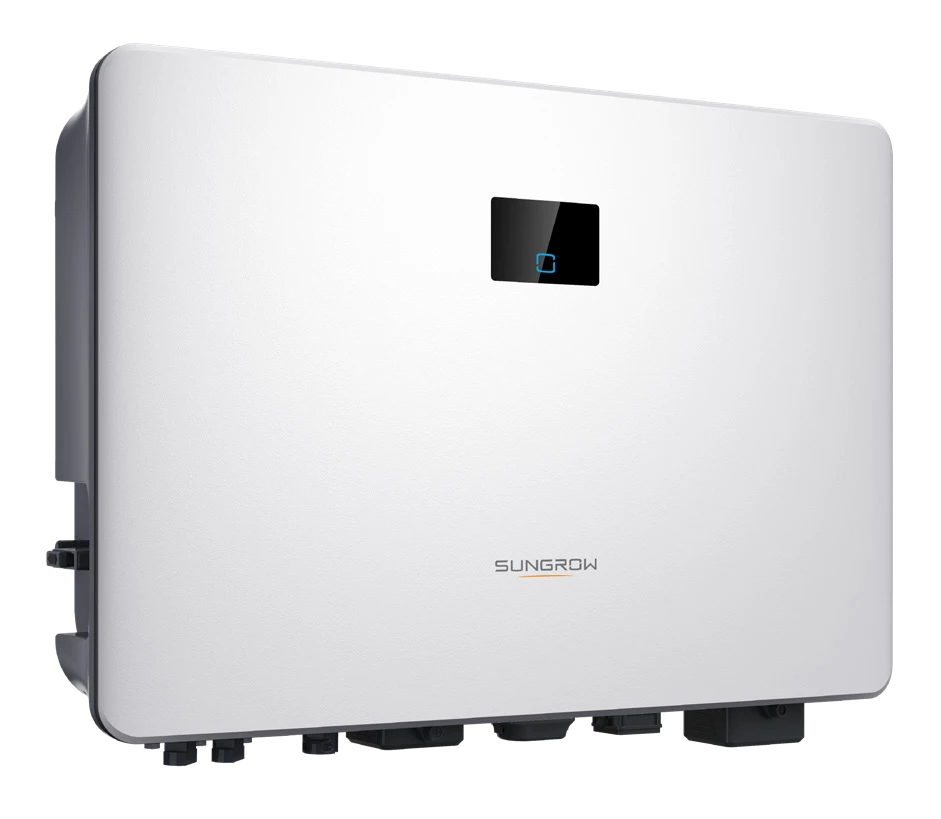
This package combines a 6kW hybrid-inverter reference with a 9.6kWh SBR battery arrangement. The inverter reference is SH6.0RS and the battery configuration is SBR096. These names matter because they identify the separate conversion and storage components. A package described only as 6kW and 9.6kWh omits the information needed to check electrical compatibility, installation requirements and future expansion options.
The battery contains three 3.2kWh modules
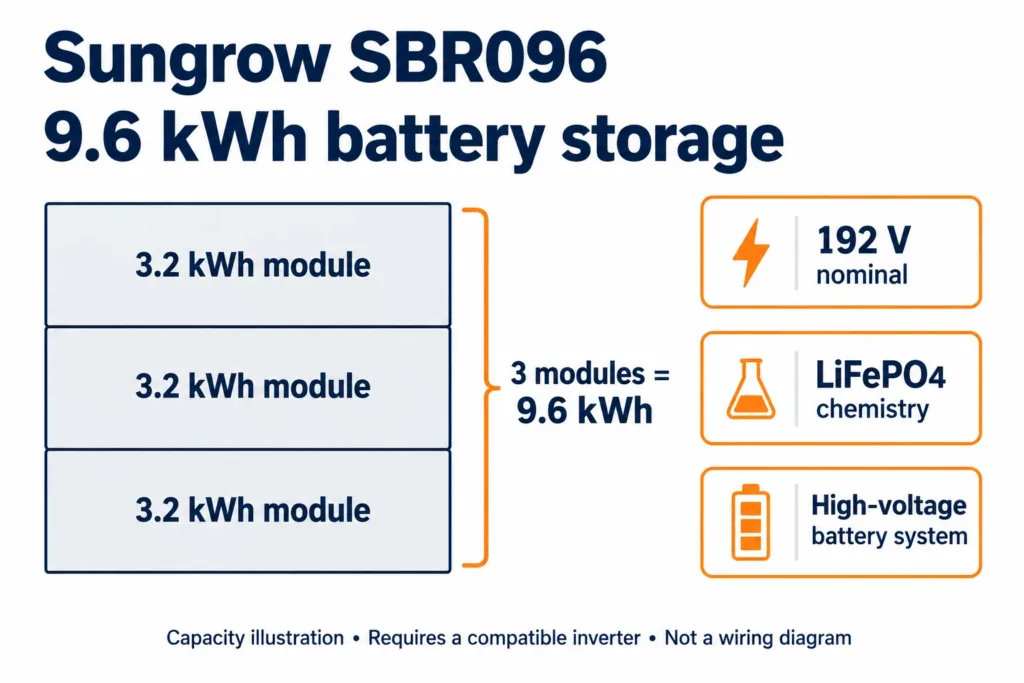
The SBR096 arrangement is built from three 3.2kWh battery modules and has a nominal system voltage of 192V. A taller stack in SBR family literature may represent a larger capacity. Use the three-module specification and the package quotation to identify the included storage rather than inferring the module count from an example installation photograph. The capacity illustration makes this configuration explicit.

Battery-only output is not established by the inverter label
The SH6.0RS output class does not mean that every battery condition can sustain 6kW of battery-only AC supply. The SBR096 reference has a 30A charge/discharge rating. At nominal voltage, that corresponds to 5.76kW on the battery side before inverter losses, and actual voltage changes during operation. This distinction matters most when planning an outage with little or no simultaneous solar generation.
Two MPPT inputs support an array design decision
The referenced SH6.0RS datasheet specifies two MPPT trackers. These help the installer arrange suitable solar inputs, but do not eliminate voltage, current or shading considerations. The roof layout and selected panel model still need an electrical design. Ask for the intended array arrangement to be shown in the quotation so that inverter capability is connected to a practical installation plan.

Consider the transition from daytime to evening
During the day, the system may serve household demand while charging the battery when generation is available. After sunset, storage and the configured reserve become more important. Review when the home uses electricity rather than assuming the daily total alone describes the required battery. A household with heavy daytime loads may have less solar surplus available to fill 9.6kWh of storage than expected.
Treat the assembled battery as substantial equipment
The SBR096 manufacturer reference lists an assembled system weight of 114kg and dimensions of 625 × 545 × 330mm. Delivery access, supporting location and service clearances should therefore be considered before installation day. The inverter has its own mounting and connection requirements. Plan these two pieces of equipment together instead of treating the combined product photograph as a scaled installation drawing.
Who this package is for
The 6kW class is worth assessing for a household that wants a defined essential-load circuit and a meaningful amount of battery storage. A home office, evening lighting and carefully selected domestic appliances can form the starting point for a load survey. The final arrangement should reflect which appliances overlap, which can be scheduled during sunny hours and which should remain outside the backup circuit. A package name alone cannot determine whether a particular home can run without load management.
What the 9.6kWh battery specification means
The SBR096 reference uses three 3.2kWh modules. Its stored energy can support a period of operation when solar production is low or grid power is unavailable, within the configured system’s limits. Usable AC energy is affected by reserve settings, conversion losses, temperature and battery condition. For an energy-only illustration, a steady 1kW load consumes 1kWh in one hour, so 9.6kWh represents 9.6 hours before allowing for any of those factors. This is an explanation of units, not a promised backup duration.
Battery power is a separate limit
The referenced SBR096 has a 192V nominal rating and a 30A continuous current limit, corresponding to 5.76kW at nominal voltage before conversion losses. Actual output varies with battery voltage and operating conditions. A 6kW inverter nameplate therefore should not be interpreted as an unconditional 6kW battery-only supply from this bank. Ask the designer to state the sustained backup power available from the exact battery configuration, including any other source contributions and operating restrictions.
Solar use across the day
A useful solar plan starts with when the household consumes electricity. Daytime loads may use production while the battery is being charged; evening loads draw on the remaining stored energy. Running discretionary appliances during a suitable solar window can reduce the amount that must be stored for later. Weather, shading, roof orientation and seasonal day length all influence the result. Size the array for the confirmed inverter inputs and the intended energy balance, not by simply dividing the battery capacity by a panel rating.
Confirm the inverter before comparing quotations
The inverter datasheet linked to this listing identifies the SH6.0RS family reference, with a single-phase arrangement and two MPPT trackers. Those details help an installer assess roof sections and the AC supply. The quotation should still state the exact delivered model, regional version and included accessories. Check the current battery compatibility information as part of the design. A similar-looking Sungrow inverter with another suffix should not be assumed to have identical connections or operating limits.
Space, delivery and installation
Plan both the inverter position and the complete battery stack, including the service clearances specified for each component. Confirm the mounting surface, access route and how the equipment will be handled on arrival. Do not use a single battery module’s dimensions to reserve space for the whole package. Ask whether the quotation includes the base, cover, communication accessories, required protection equipment and installation. The pictures illustrate planning topics; the written component schedule defines the actual supply.
Handover and future changes
At commissioning, ask to see how the system responds to loss and restoration of the incoming supply. Record the reserve setting and understand how it affects both backup availability and daily energy use. Keep the inverter and battery serial numbers together. If later expansion is likely, have the installer check the permitted module configuration, compatible revision and expansion procedure before purchasing additional storage. An app display can help you understand energy flows, but it does not replace a review of sustained load and battery limits.
Frequently asked questions
Are solar panels and installation included? Confirm the itemised quotation; the package title establishes the inverter and battery offer rather than every site component. Can I run a geyser or cooker? Have the installer evaluate their demand and simultaneous use before including them in backup. Will a larger inverter extend runtime? Runtime mainly depends on usable storage and the load. Can the system be expanded? Expansion requires a configuration and revision check; do not assume every SBR module or inverter combination can be mixed.