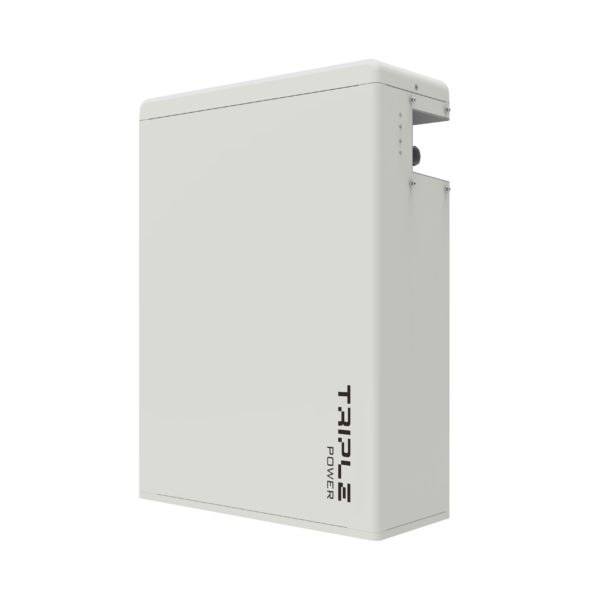
The SolaX HV11550 adds battery capacity to a compatible Triple Power high-voltage system. It is an expansion module, so its purpose is to extend an appropriate master arrangement rather than replace the master. This distinction is especially useful when an existing installation runs short of stored energy before the next charging period.
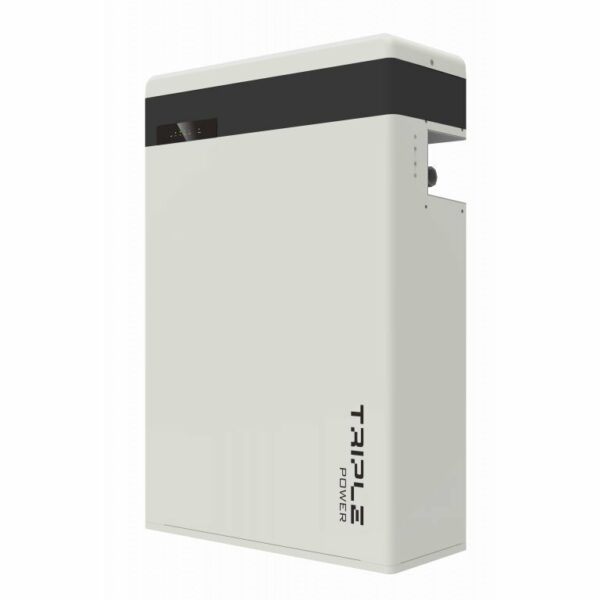
The SolaX T-BAT H 5.8 is the master battery in the Triple Power high-voltage system. It is the starting point for a supported battery configuration, combining stored energy with the master role required by that family. Choose this product when building the corresponding T-BAT system; choose an HV11550 expansion module when extending an already compatible master arrangement.
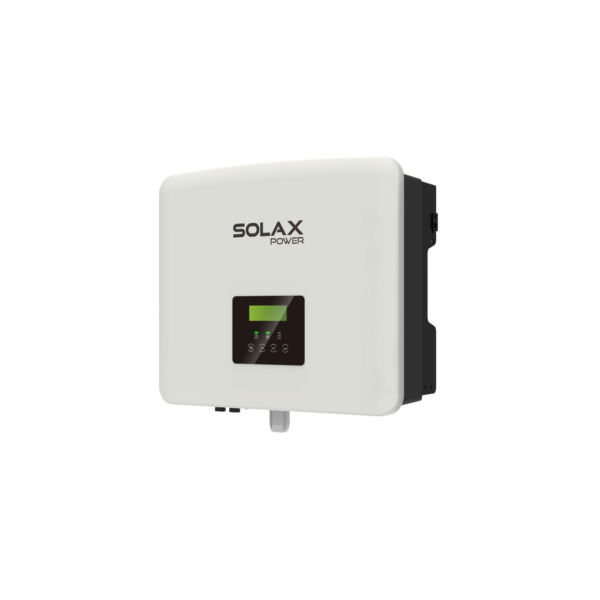
The SolaX X1 Hybrid 7.5D is a 7.5kW single-phase hybrid-inverter reference for solar generation and a supported battery-storage arrangement. Its role is to manage power conversion within a designed household or small-business system. The inverter’s output class, the available solar energy and the battery’s stored energy need to be assessed separately rather than treated as one interchangeable number.
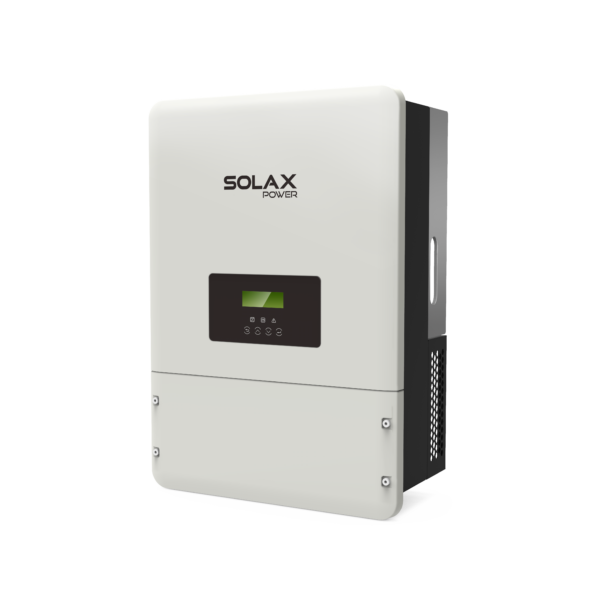
The SolaX X3 Hybrid 15D is a 15kW three-phase hybrid-inverter reference. Its total output class is shared across a three-phase system; it is not a promise of 15kW from each phase. This makes the distribution of loads, as well as their combined demand, central to selecting the inverter and the supported battery configuration.
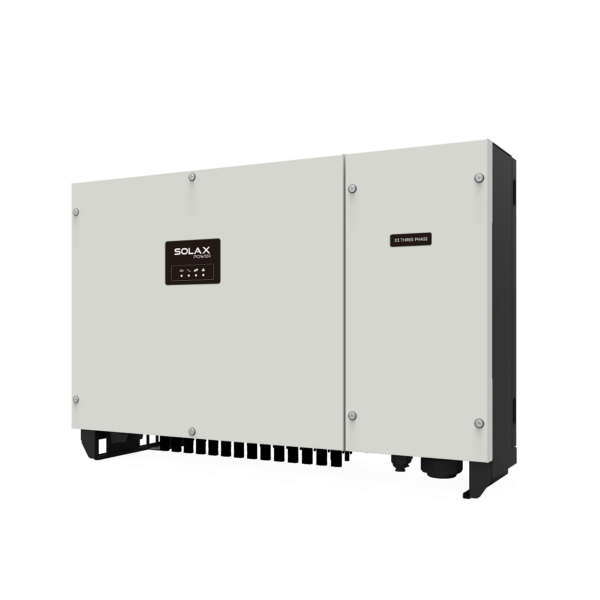
The SolaX X3 Mega 60kW is a three-phase grid-tied solar-inverter reference for larger PV installations. It converts solar-array DC power into grid-synchronised AC power for a designed commercial or similar application. Its 60kW output class describes power conversion capability; it does not establish a daily energy yield or provide standalone battery backup during a grid interruption.
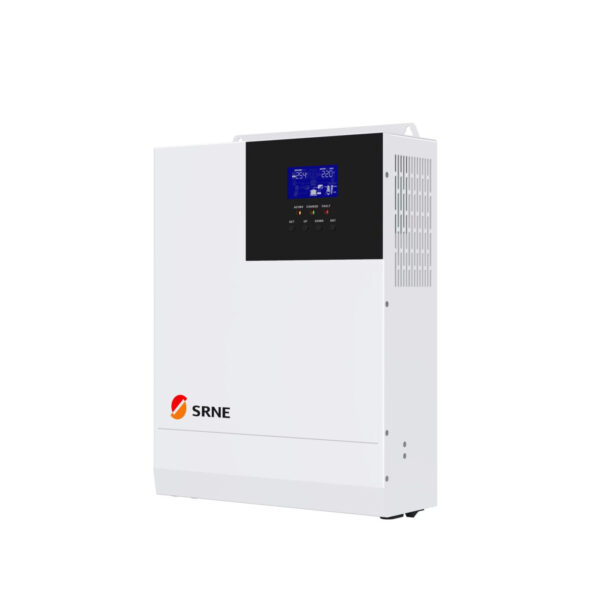
The SRNE HF2430S80-H is a 3kW inverter/charger for a compatible 24V battery arrangement. This listing identifies the 80A version, which should be distinguished from the separately listed HF2430S60-100. The inverter combines AC supply functions and solar charging in one enclosure, while the storage battery and solar array remain separate parts of the installation.
The SRNE MS-W-09 Wi-Fi module provides a network connection for compatible equipment monitoring. Its documentation identifies an RS485 device interface and 2.4GHz Wi-Fi. Give Solar Deity the full inverter model before ordering so the module and connection can be matched.
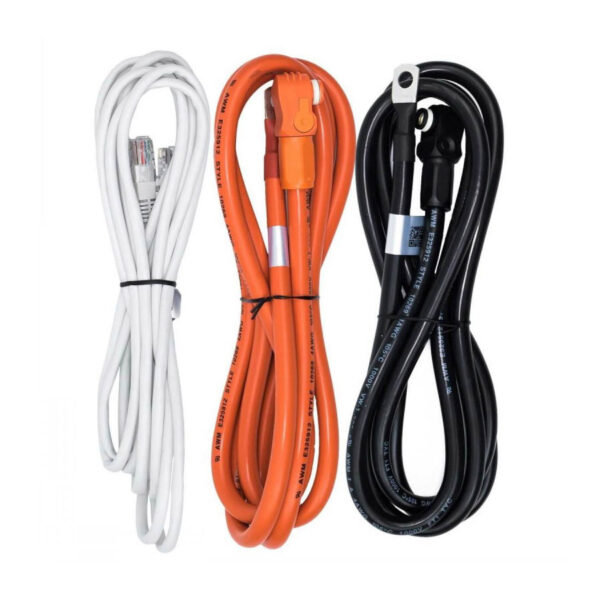
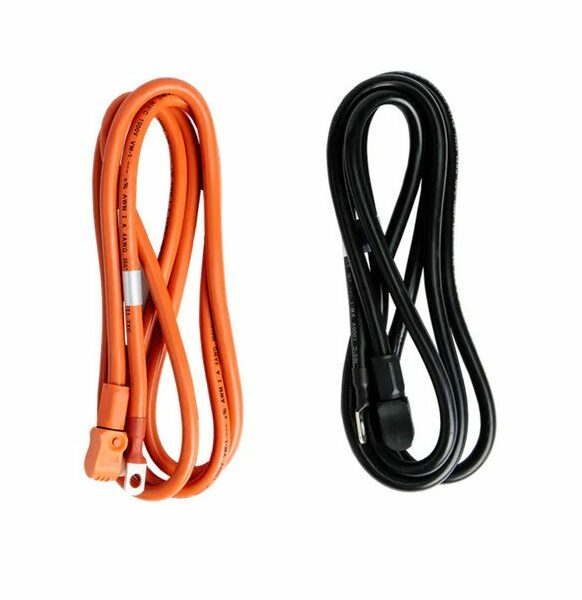
The Sunwoda Atrix power cable listing helps buyers source a connection accessory for an Atrix battery installation. Provide the battery version and the equipment at each end of the proposed connection. Solar Deity can use these details to check the supplied cable variant.
This Sunwoda Atrix power cable is listed for enquiries involving inverters of 10kW and above. The category does not define an unlimited upper rating. Provide the exact inverter, battery configuration and connection points so the supplied cable can be assessed for the intended system.
This Sunwoda Atrix cable is listed for an inverter power class of 8kW or smaller. Use that category to start your enquiry, then provide the exact battery and inverter models. Solar Deity will need the actual connection requirement to identify the supplied assembly.
R26,500.00Original price was: R26,500.00.R16,000.00Current price is: R16,000.00.
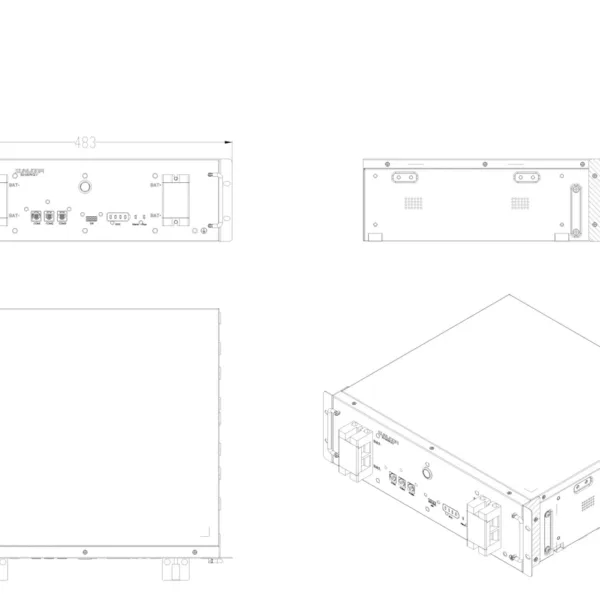
The Sunwoda Atrix Basic-5 is a 5kWh nominal-energy LiFePO4 battery module for a supported low-voltage storage system. Its nominal voltage is 51.2V. This description uses the manufacturer’s 2023 Atrix Basic reference, appropriate to the older product listing, and distinguishes a single Basic-5 module from the larger stacks shown in family application photographs.
R23,500.00Original price was: R23,500.00.R18,000.00Current price is: R18,000.00.
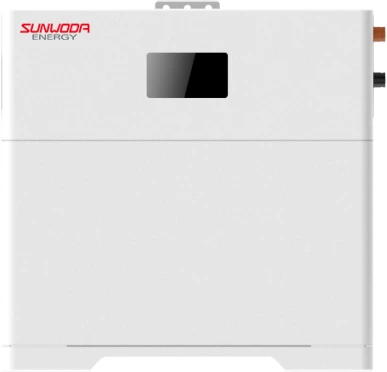
Sunwoda SunESS is a stackable residential battery-system family built around manufacturer-described 5kWh modules. Its upright, integrated stack arrangement differs from an Atrix rack module. This page now separates the SunESS family reference from generic battery-room artwork and explains how module quantity affects a proposed system. Confirm the complete SunESS version and the number of modules included in your quotation before interpreting the total storage capacity.