
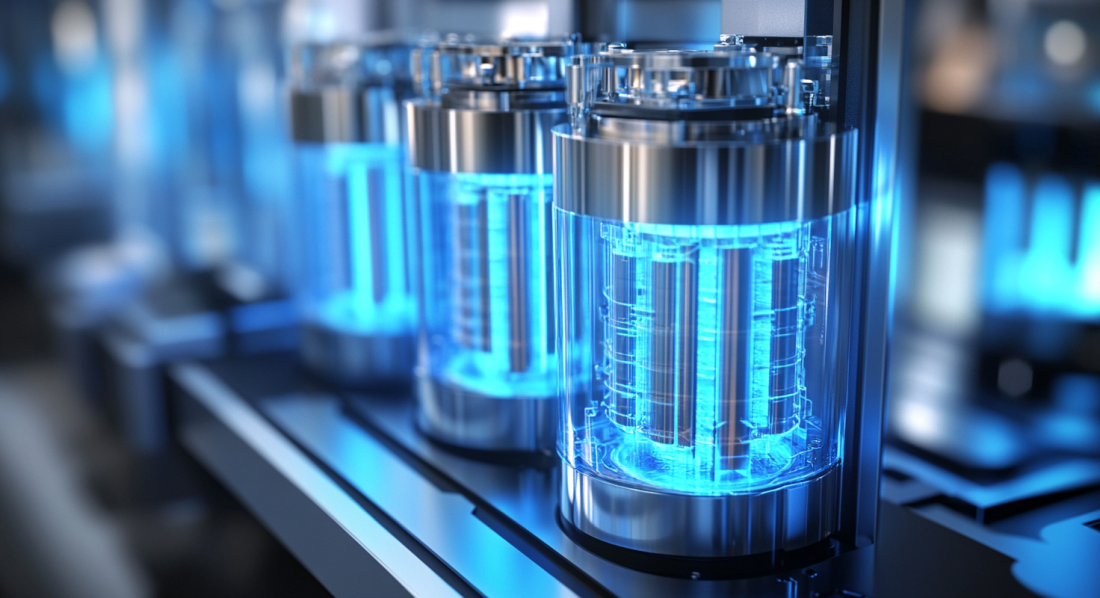
In recent years, sodium-ion batteries (SIBs) have rapidly gained traction as a promising alternative to lithium-ion batteries (LIBs) in energy storage systems. Driven by geopolitical uncertainties, lithium supply chain bottlenecks, and environmental concerns, researchers and industries are increasingly focusing on SIBs as a sustainable and economically viable solution. Below, we analyze the key insights, supporting evidence, and unresolved challenges shaping this emerging technology.
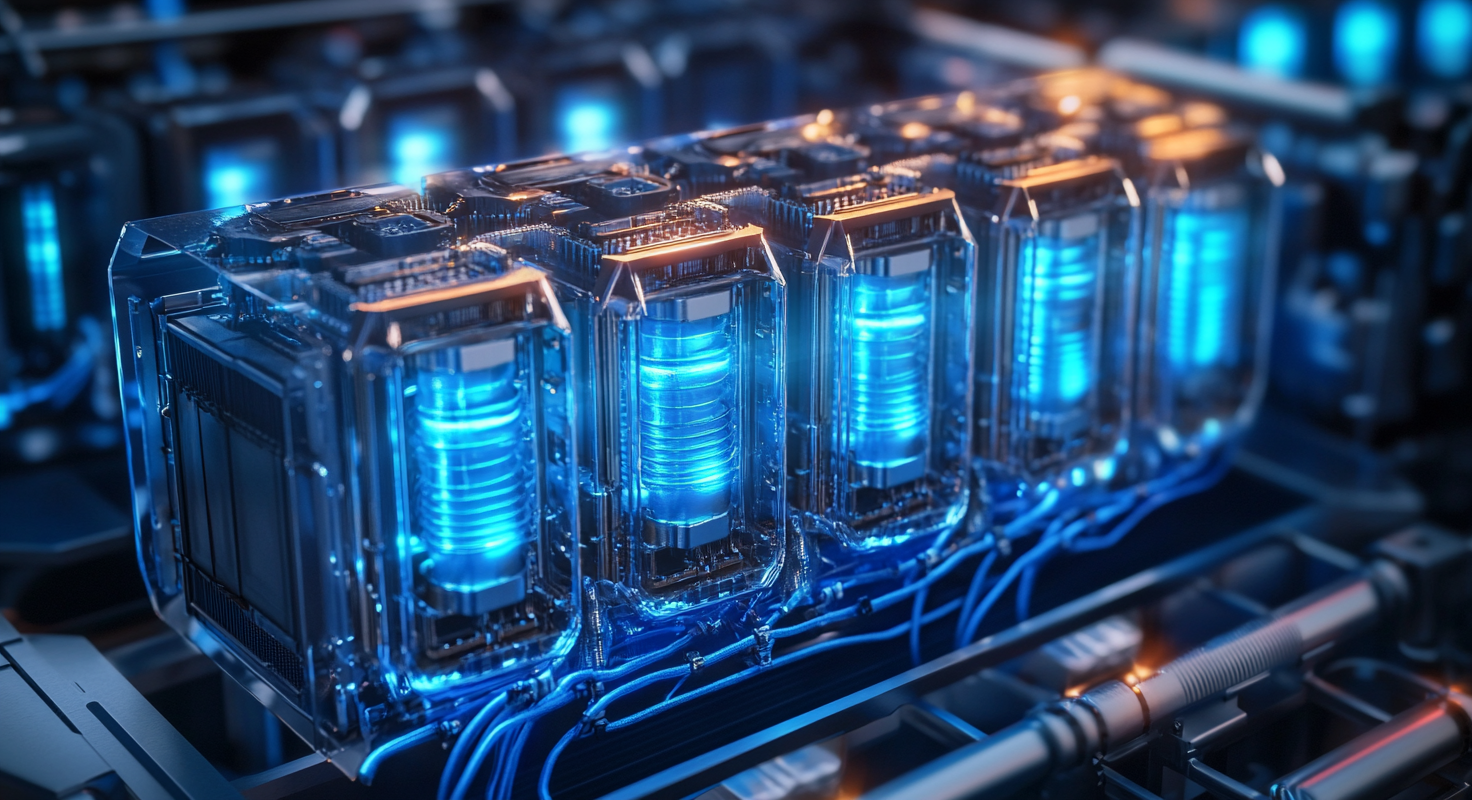
Key Advantages Driving Adoption
- Abundant Raw Materials: Sodium reserves constitute 2.74% of Earth’s crust versus lithium’s 0.006%, with sodium carbonate costing $300/ton compared to lithium carbonate’s $78,000/ton peak in 2022 (USGS Mineral Commodity Summaries 2023). This eliminates geopolitical risks associated with lithium’s concentrated production (75% from Australia/Chile).
- Enhanced Safety: SIBs demonstrate lower thermal runaway risks with higher thermal stability thresholds (180°C vs. LIBs’ 130°C) due to stable aluminum current collectors in cathodes (Nature Energy, 2021).
- Environmental Benefits: SIB production emits 35% less CO2 than LIBs, with potential for full recycling using non-toxic aqueous electrolytes (ACS Sustainable Chemistry, 2022).
- Cold Weather Performance: Maintain 85% capacity at -20°C vs. LIBs’ 60% degradation, enabling Arctic energy storage applications (Journal of Power Sources, 2023).
Commercial Progress & Market Projections
Major developments include:
- CATL’s 2021 announcement of 160 Wh/kg SIBs with 90% capacity retention after 3,000 cycles
- Northvolt’s $1.1 billion EU-funded SIB gigafactory targeting 2025 production
- BYD’s sodium battery-powered EV prototypes achieving 250km range
- Market growth projections: $4.8 billion by 2032 at 11.2% CAGR (Allied Market Research)
Technical Challenges & Uncertainties
- Energy Density Gap: Current SIBs average 120-160 Wh/kg vs. LIBs’ 250-300 Wh/kg, limiting EV applications
- Cathode Material Optimization: Layered oxides vs. polyanionic compounds vs. Prussian blue analogs – no consensus on ideal chemistry
- Anode Development: Hard carbon remains expensive ($15,000/ton) compared to graphite ($8,000/ton)
- Supply Chain Immaturity: Only 12% of required sodium battery manufacturing infrastructure exists vs. LIBs’ established ecosystem (BloombergNEF 2023)
Strategic Implications
SIBs are finding strategic niches:
- Grid-scale storage: 40% lower LCOE than LIBs for 4+ hour storage (NREL 2022)
- Micro-mobility: Two-wheelers and urban EVs prioritizing cost over range
- Hybrid systems: Sodium-lithium combined battery architectures balancing performance/cost
Policy Drivers
- China’s MIIT 2025 roadmap allocating $2.4 billion for SIB R&D
- EU Battery Regulation mandating 12% sodium content in stationary storage by 2030
- U.S. DOE’s $120 million Sodium Battery Manufacturing Initiative
Unresolved Questions
- Can SIB energy density reach 200 Wh/kg without compromising cycle life?
- Will lithium prices below $20/kg negate SIB’s cost advantage?
- How quickly can recycling infrastructure scale for sodium battery components?

While not a lithium killer, sodium-ion technology is poised to capture 15-20% of the global energy storage market by 2035, particularly in applications prioritizing safety, sustainability, and total cost of ownership over compact energy density.

Add comment