

I. Core Components of Energy Storage Systems
Energy storage systems integrate multiple critical components through coordinated electrical workflows:
Component 1 – Battery
Serves as the system’s “heart” for energy storage/release. Common variants: Lithium-ion, Lead-acid, Sodium-sulfur. Each type exhibits unique performance characteristics for specific operational scenarios.
Component 2 – Battery Management System (BMS)
Acts as “steward”, monitoring real-time parameters (voltage, current, temperature) to ensure safe operation. Implements cell balancing to maximize battery lifespan.
Component 3 – Energy Management System (EMS)
Functions as the “brain”, analyzing multi-source data (grid demand, electricity pricing, battery status) to optimize charge/discharge strategies for cost-efficiency.
Component 4 – Power Conversion System (PCS)
Bidirectional DC/AC converter bridging batteries with grid/loads. Converts AC grid power to DC during charging, reverses flow during discharge.

II. System Architecture Configurations
Energy storage architectures vary in structural integration principles, analogous to constructing buildings with identical materials but divergent designs.
1. String-Type Energy Storage
System Structure
– Modular design using parallel-connected low-capacity units – Each unit features dedicated BMS and PCS for autonomous control – Scalable from residential to industrial scales via cluster expansion
Advantages
– Flexibility: Incremental capacity upgrades aligned with load growth – **Safety**: Per-cluster control eliminates cross-currents caused by inconsistent discharge depths – **Portability**: Compact single-cabinet design facilitates complex-site deployment
Applications
– Industrial/commercial load shifting and peak shaving – Distributed renewable integration for grid fluctuation mitigation – Shared energy storage platforms with multi-user adaptability
2. Centralized Energy Storage
System Structure
– Containerized high-capacity configuration – Battery packs form series-connected clusters → DC-parallel to unified PCS → grid via transformer
Pros & Cons
– Strengths: Simplified control logic, reduced upfront costs via bulk procurement – **Limitations**: *Bucket Effect* – Overall lifespan constrained by weakest battery module *Circulating Currents* – Cluster voltage imbalances reduce efficiency and safety *Maintenance Complexity* – Specialized technicians required for diagnostics
3. Distributed Energy Storage
Operational Characteristics
– Networked deployment at consumption points or grid edges – Functions: – Load balancing during peak demand – Voltage/frequency stabilization via localized compensation – Enhanced renewable penetration through geographic dispersion
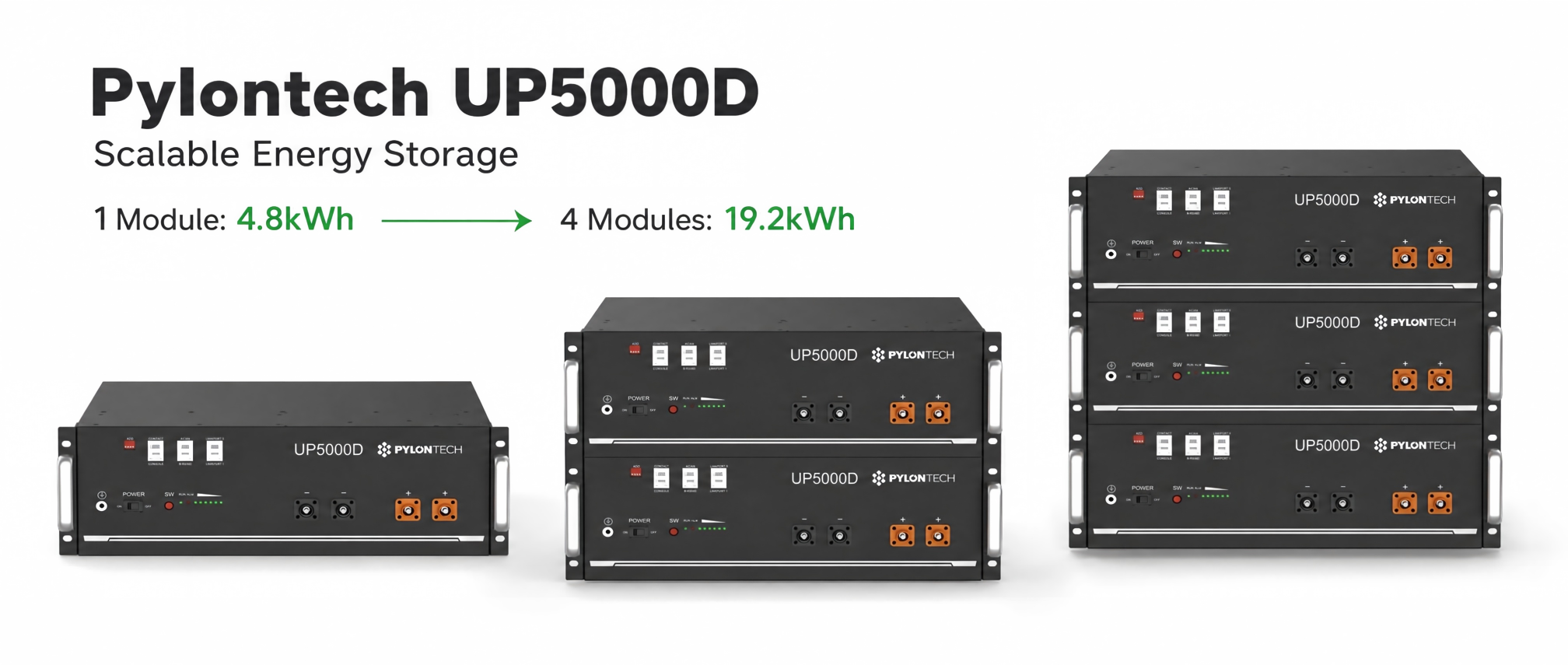
4. Modular Energy Storage
Design Innovations
– Plug-and-play standardized modules (battery + BMS + PCS) – Customizable configurations: – PV charging integration – On/off-grid switching – Client-specific communication protocols (BMS/EMS)
Implementation Cases
– Solar-storage-charging integrated stations – Telecom base backup power in remote areas – Utility-scale frequency regulation support



Add comment