Pylontech US3000C 3.552kWh 48V Solar Battery
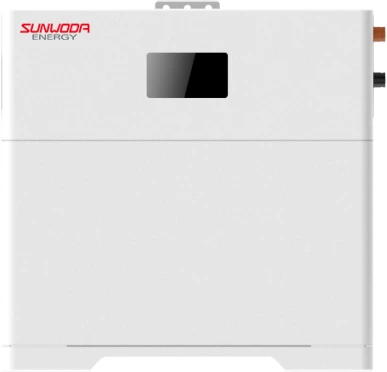
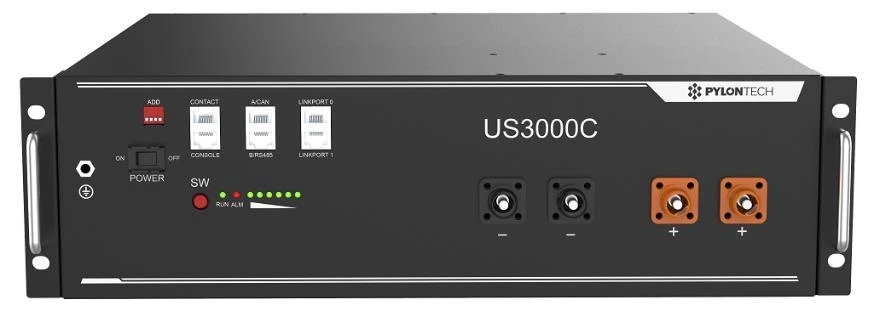
The Pylontech US3000C is a 48V LiFePO4 storage module with 3.552kWh nominal energy, equivalent to 74Ah. It is a modular battery for a supported low-voltage storage system. The C-model manufacturer image below identifies the module and its front-panel arrangement.
Pylontech US3000C 3.552kWh 48V Solar Battery
The Pylontech US3000C is a 48V LiFePO4 storage module with 3.552kWh nominal energy, equivalent to 74Ah. It is a modular battery for a supported low-voltage storage system. The C-model manufacturer image below identifies the module and its front-panel arrangement.
The C suffix identifies the product
US3000C and US3000 are related names, but they should not be treated as identical products when comparing interfaces and operating instructions. Use the complete model name on the quotation and in the installation records. The current product image comes from the US3000C manual and shows the front-panel arrangement for the named model.
Distinguish nominal and usable energy
The manual lists both nominal energy and a usable-energy figure. The latter is tied to the permitted operating conditions; it is not a guarantee that the same quantity reaches AC appliances after inverter losses. If the owner chooses an additional backup reserve, less energy remains for routine evening consumption. Compare systems using a consistent reserve assumption.
37A is the recommended operating reference
The recommended charge/discharge current is a useful starting point for understanding the module’s operating scale. Higher short-duration values in documentation should not be promoted as an unrestricted continuous rating. The inverter configuration, battery communication and module quantity must be considered together. A large inverter alone does not establish the output capability of one US3000C module.
Plan the cabinet and access
The module’s dimensions and 32kg weight matter when specifying a cabinet or support arrangement. Leave the space required for connections and service rather than allocating only the case footprint. The IP20 enclosure calls for a suitable protected indoor installation. Where several modules are planned, verify the complete physical arrangement against the relevant installation instructions.
Expand using the supported system rules
Pylontech documentation defines how modules are arranged in supported systems. Do not improvise an expansion from appearance or voltage alone. Identify the existing battery models, their revisions and the inverter before adding a module. This is more informative than assuming that every product carrying the same brand name can be combined without further checks.
Use storage for a defined demand
A modular battery system can be sized around measured evening consumption or a selected backup load. Decide which circuits need stored energy, how long they should operate and what charging energy will be available afterward. The result provides a practical basis for module quantity. Keep the battery specification distinct from the inverter’s AC rating when comparing complete installation quotations.
Technical specifications
| Model | US3000C |
|---|---|
| Chemistry | LiFePO4 |
| Nominal voltage | 48 V |
| Nominal energy / capacity | 3.552 kWh / 74 Ah |
| Documented usable energy | 3.3744 kWh; applicable operating conditions required |
| Recommended charge/discharge | 37 A |
| Dimensions | 442 × 420 × 132 mm |
| Weight | 32 kg |
| Communication | CAN / RS485 |
| Enclosure | IP20 |