
Yingli 550W Monocrystalline Solar Panel
Original price was: R3,500.00.R2,200.00Current price is: R2,200.00.
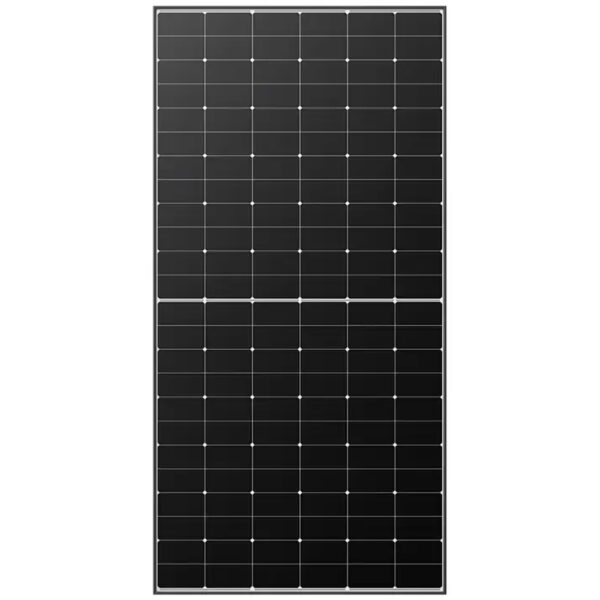
Yingli 550W YLM-J3.0PRO glass-backsheet PERC module reference: 21.29% efficiency, 42.00V Vmp, 13.10A Imp and 2278 × 1134 × 30mm. Specifications follow the linked manufacturer datasheet; confirm the full voltage-version suffix for supplied stock.
Yingli 550W Monocrystalline Solar Panel
The Yingli 550W Monocrystalline Solar Panel on this page references the YLM-J3.0PRO glass-backsheet family in the linked manufacturer datasheet. Its 550W column specifies 21.29% module efficiency, 42.00V maximum-power voltage and 13.10A maximum-power current under standard test conditions. The documented construction uses p-type monocrystalline PERC cells in a 144 half-cell arrangement. This is a considerably more specific reference than a generic 550W panel description. The full model suffix on the supplied unit still needs to be matched, particularly because the document covers both 1000V and 1500V system-voltage versions.
The correct Yingli family reference
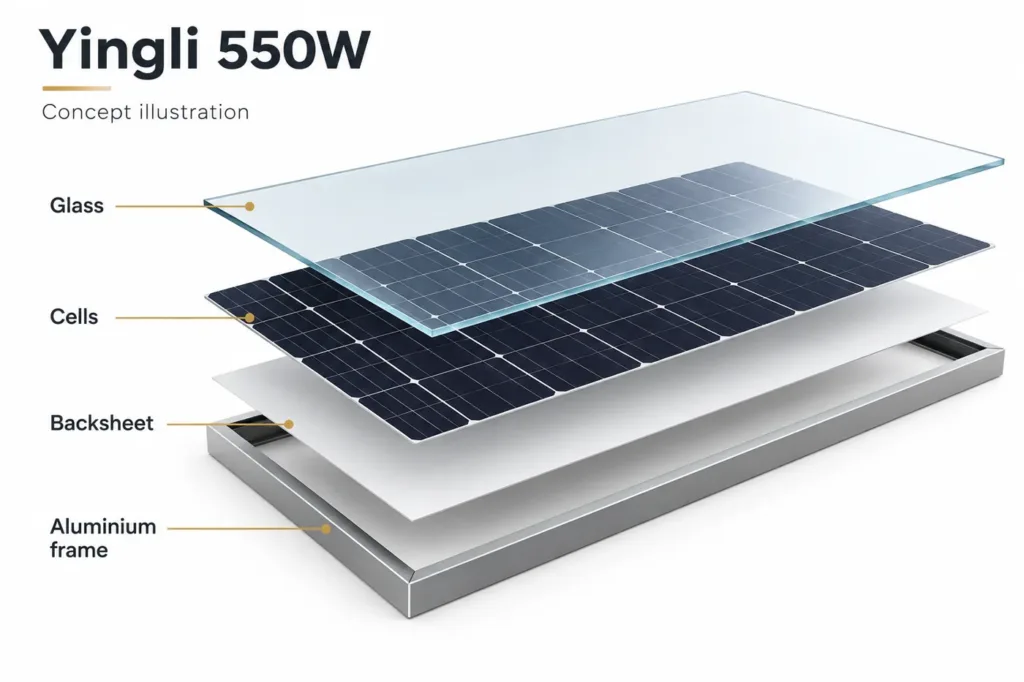
The source document is YLD_DS_YLM-J-3.0-PRO_144GB555_EN_V04, already linked from this product page. It covers several power classes, so the electrical values here are taken from its 550W column. It is a glass-backsheet PERC family rather than a newer bifacial model with a similar power rating. The construction illustration explains that distinction and is not an exact manufacturing drawing. No rear-side energy gain is included in the capacity examples or claimed for this listing.
550W electrical values at standard test conditions
For the 550W column, the datasheet gives 42.00V at maximum power and 13.10A at maximum power, alongside 49.82V open-circuit voltage and 13.97A short-circuit current. The power tolerance is 0/+5W and the stated efficiency is 21.29%. These are separate engineering quantities, not interchangeable voltage or current labels. Standard test conditions use 1000W/m² irradiance, a 25°C cell temperature and an AM1.5 spectrum. They provide a comparison basis rather than a promise of continuous output on a roof.

Dimensions, weight and construction
The linked family datasheet specifies a module size of 2278 × 1134 × 30mm and a mass of 28kg. It lists low-iron tempered glass of 3.2mm thickness, an aluminium frame and a junction box with three bypass diodes and an IP68-or-higher rating. The cell layout is shown as 6 × 24. These details support a more informed roof and handling discussion, but the complete mounting design still needs to follow the applicable manual and the exact supplied version.
Why temperature appears in the specification
The maximum-power temperature coefficient is −0.35%/°C, the open-circuit voltage coefficient is −0.27%/°C and the short-circuit current coefficient is +0.05%/°C. These values describe how the relevant electrical quantities change with cell temperature around the reference conditions. They explain why a design should not use the standard-condition voltage as its only check. Cell temperature is not simply the weather forecast air temperature. The installer must apply the appropriate design assessment rather than choosing a string length from the 550W label.
The NOCT figures are a second reference condition
The datasheet also presents values under nominal operating cell temperature conditions. In the 550W column, the listed power is 409.20W, with 39.05V maximum-power voltage and 10.48A maximum-power current. These figures describe a different test reference from the 550W STC rating. They do not mean the product has been downgraded or that every installation will produce 409.20W per panel. Keeping both reference conditions visible helps explain why a real array should not be expected to operate continuously at its nameplate power.
Confirming the system-voltage version
The document includes YLxxxD-49e1/2 and YLxxxD-49e1500V1/2 identifiers. It lists 1000V DC and 1500V DC versions, so we have not selected one as the verified stock rating without the complete label. The maximum series fuse rating shown is 25A, but that value alone does not specify a protection arrangement. Ask Solar Deity to confirm the offered suffix and have the installer use the matching data for the complete system. A catalogue family reference is not a substitute for the supplied module identity.
Array size examples for the 550W module
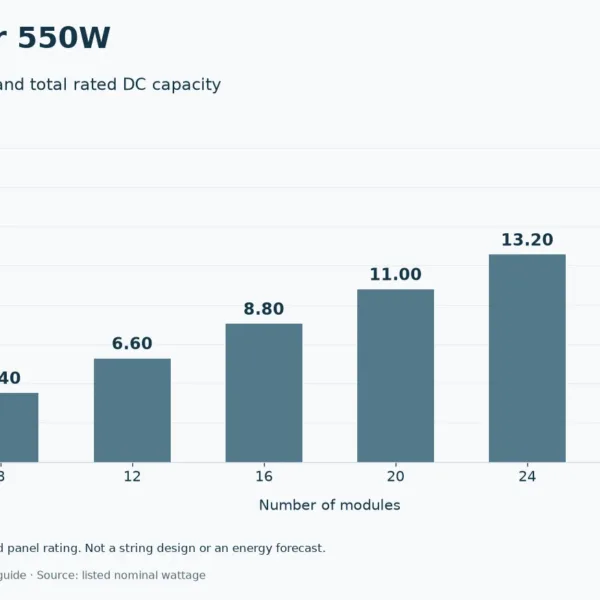
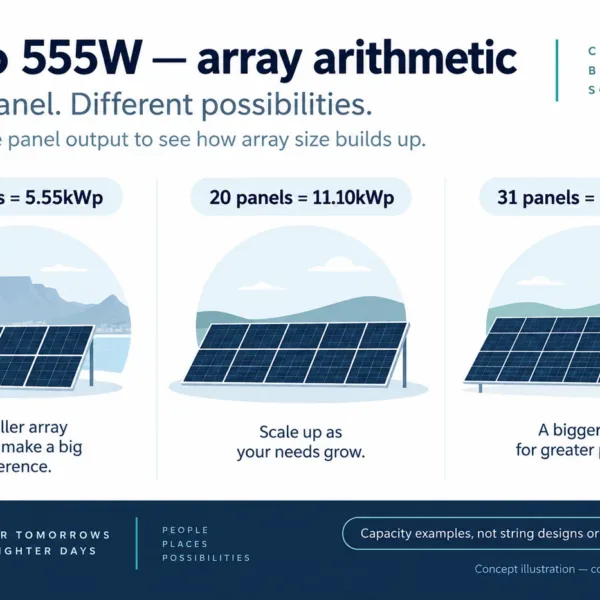
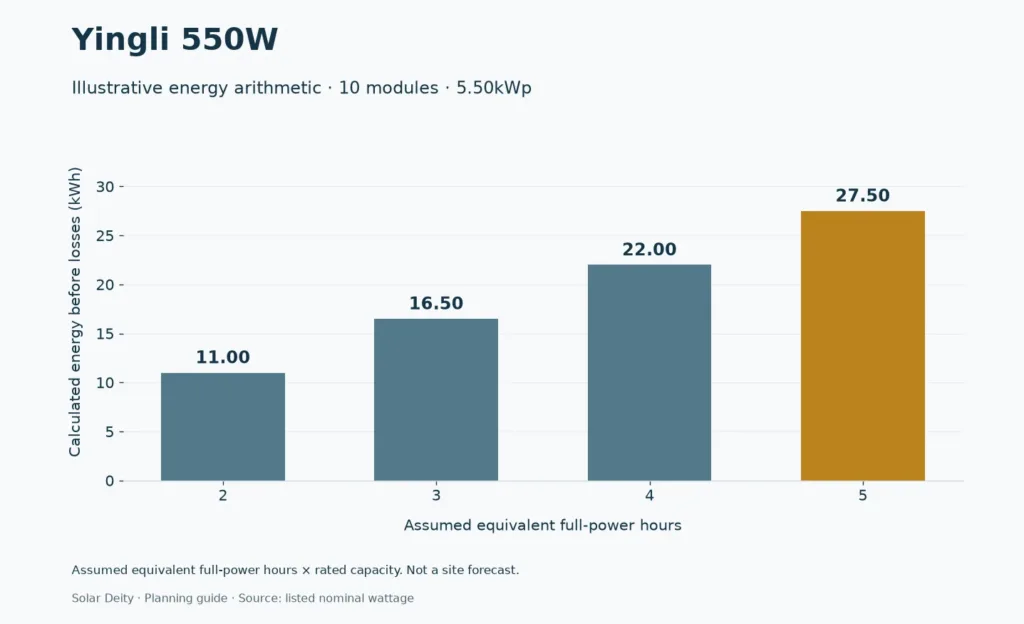
Ten modules total 5.50kWp, twenty total 11.00kWp and thirty-six total 19.80kWp of rated DC capacity. The linked datasheet lists a packaging reference of 36 modules per pallet; this does not mean that the website order automatically includes a pallet. Confirm the purchase quantity and packaging in the quotation. The chart shows several array totals to support that conversation. None of the counts is a prescribed electrical string length or a claim about the inverter output.
Roof loading and environmental reference values
The family datasheet lists front-side static load of 5400Pa and rear-side static load of 2400Pa, together with an operating temperature range of −40°C to +85°C. These are module reference values, not a certification that your roof or mounting system is suitable for every site condition. Roof structure, mounting configuration and local exposure still require assessment. Use the original documentation with the proposed installation design instead of treating an individual laboratory rating as approval of a complete rooftop system.
A workshop application and energy example
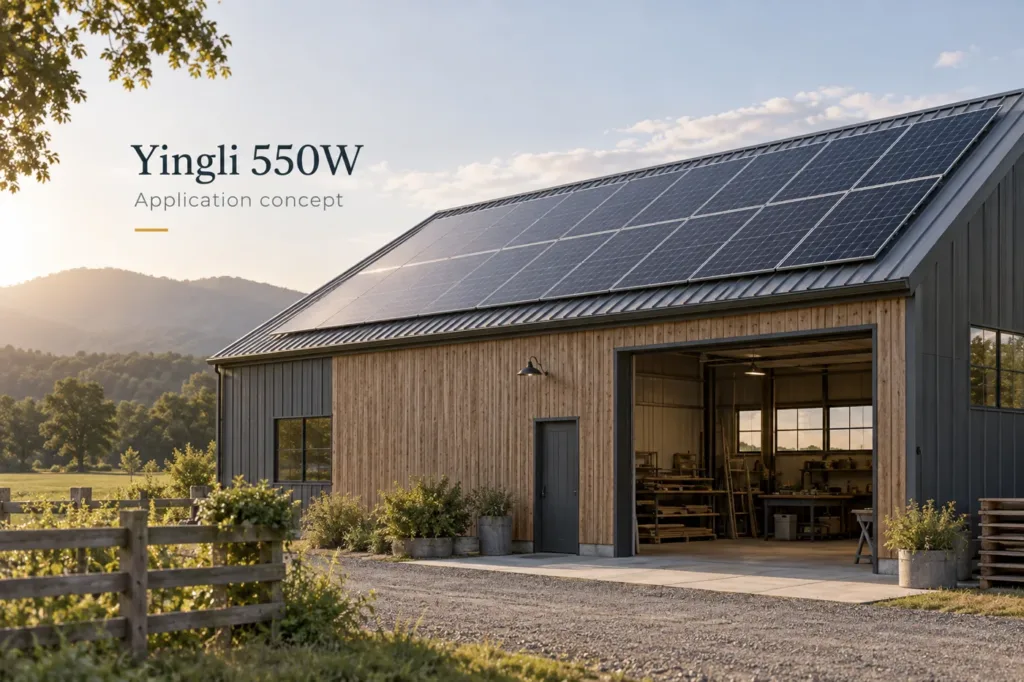
The workshop image is a generated use-case illustration with generic modules. It shows how a roof might be considered for daytime generation without claiming to depict an installed Yingli project. For a ten-panel array, 5.50kWp multiplied by four assumed equivalent full-power hours gives 22.00kWh before losses. That is an arithmetic explanation, not a production estimate for the pictured setting. Actual generation and the ability to support workshop loads depend on the site and complete electrical system.
Datasheets, warranty and the final quotation
The product page retains its datasheet, installation manual and warranty links so that the reference can be checked. The family brochure advertises a 12-year product warranty and 25-year power warranty, but applicability and terms must be confirmed in the relevant warranty document for the supplied model. Provide the module quantity, location and inverter details when requesting a quote. Before ordering, match the full voltage-version suffix and supplied label to the linked reference; that is the remaining identity check rather than an excuse to copy specifications from a different Yingli family.